Medical Tattoo Ideas, Designs and Meaning
Meaning of Medical Tattoos
- Medical tattoos are primarily used for medical purposes, such as indicating a medical condition or allergy.
- They can serve as permanent medical alerts, providing crucial information to healthcare professionals in emergencies.
- Commonly, these tattoos are placed on visible areas like the wrist or forearm for easy access and visibility.
- Historically, medical tattoos have been used to mark blood types or chronic conditions, especially before the widespread use of medical alert bracelets.
- In some cultures, medical tattoos are seen as a practical and necessary form of body modification rather than an aesthetic choice.
- They can also be used in radiation therapy to mark treatment areas, ensuring precision in medical procedures.
- Medical tattoos are typically simple in design, focusing on clarity and readability rather than artistic expression.
- While not gender-specific, they are often chosen by individuals with chronic health conditions or those who prefer a permanent solution over wearable medical alerts.
- The style of medical tattoos is usually straightforward, often incorporating symbols or text that clearly convey the medical information needed.
2,636 Tattoo Ideas
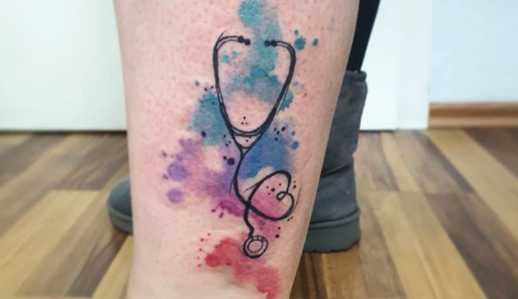

17 Badass Tattoos For Devoted Doctors & Nurses
Selection from Pinterest
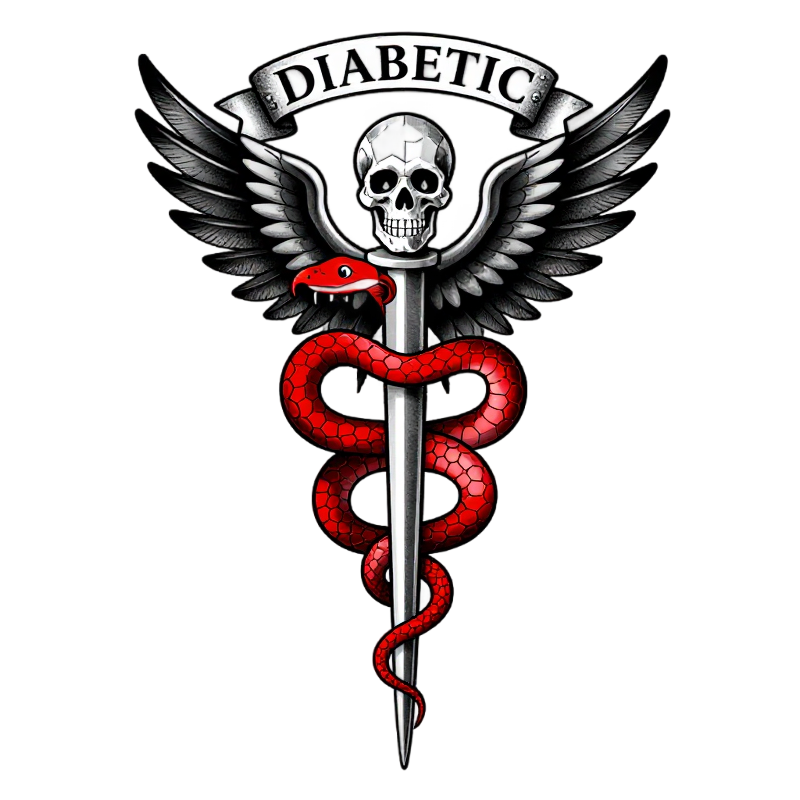

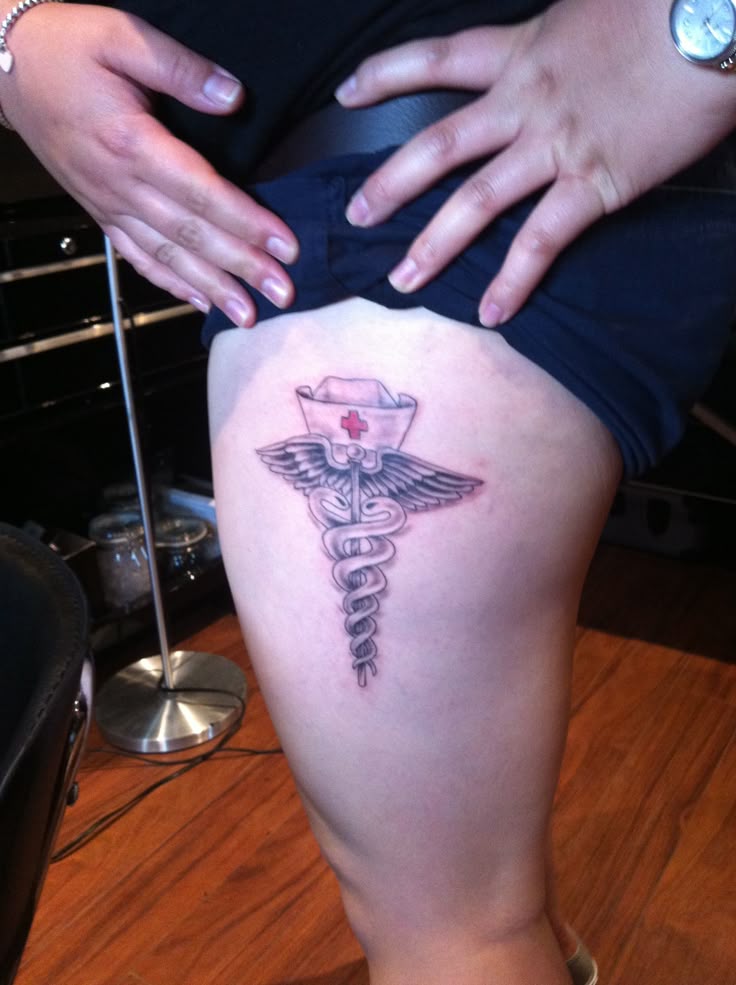
10 Nurse tattoos ideas to save today | tattoos, medical tattoo, nurse tattoo and more
Selection from Pinterest
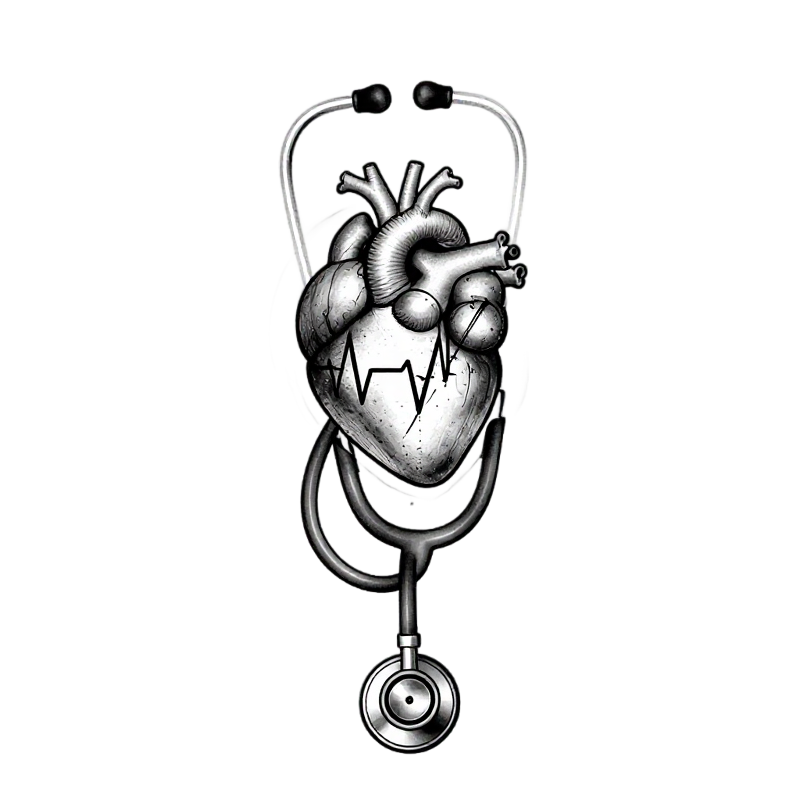
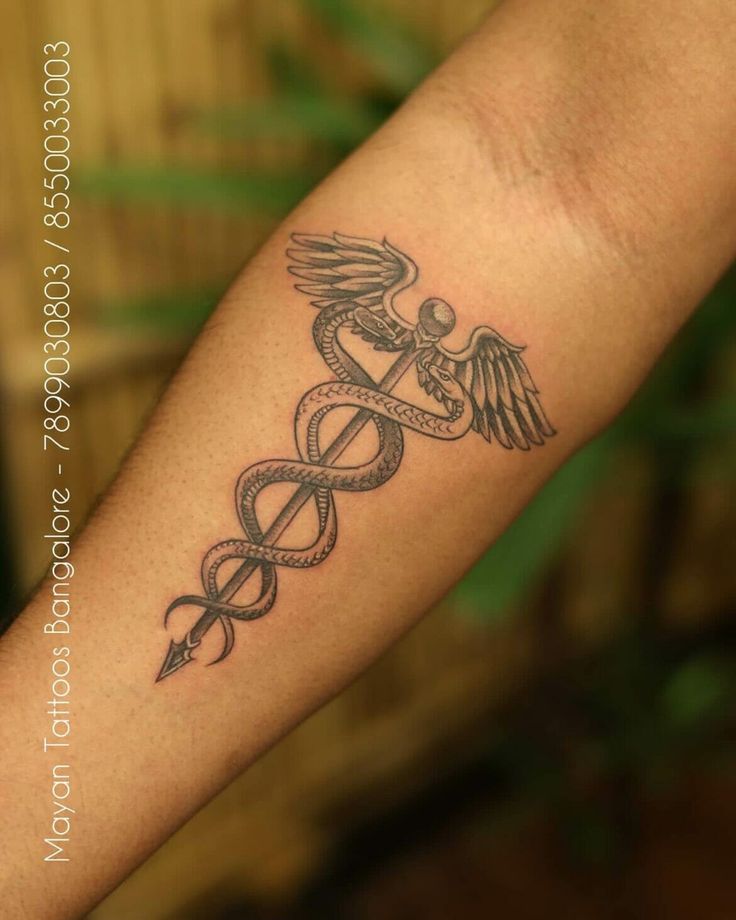
101 Best Medical Tattoos For Women Ideas That Will Blow Your Mind!
Selection from Pinterest
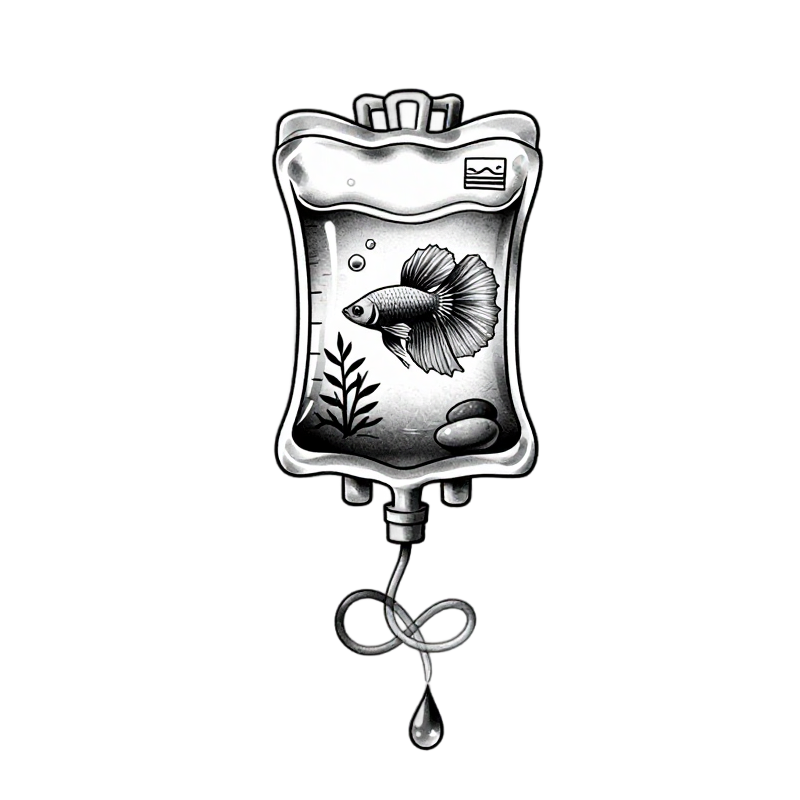
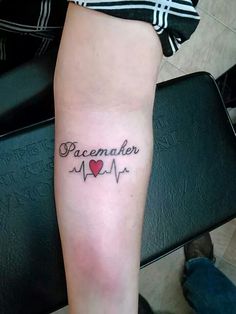
10 Medical Tattoos ideas | tattoos, medical tattoo, medical alert tattoo
Selection from Pinterest
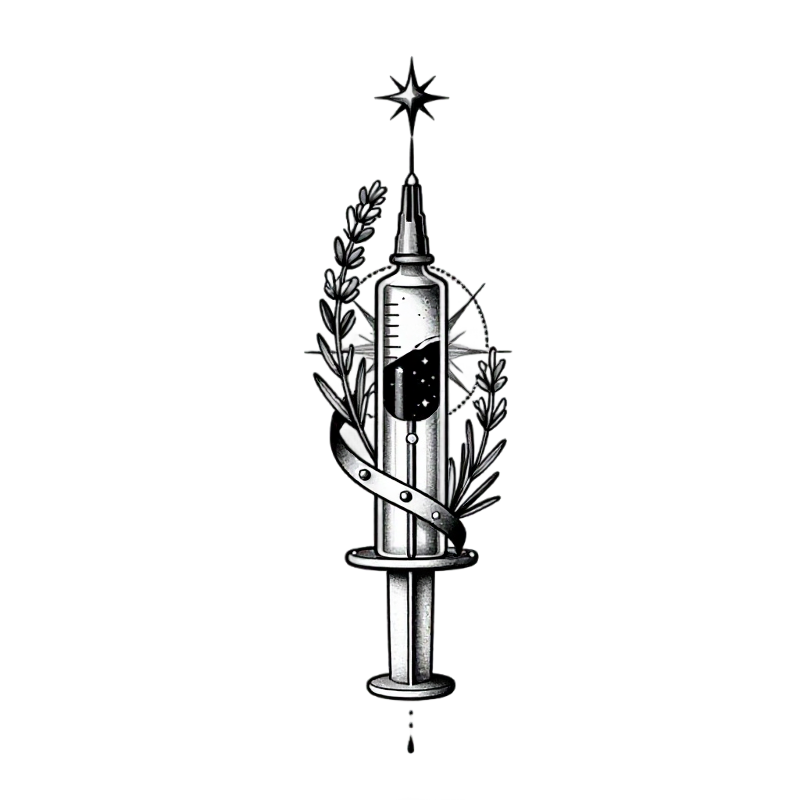
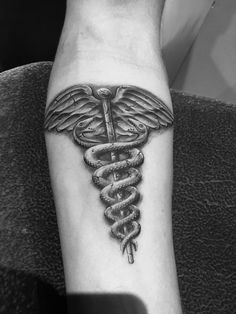
Discover 13 Tattoo and Medical Tattoo Ideas | nurse tattoo, ems tattoos, greek god tattoo, and more
Selection from Pinterest
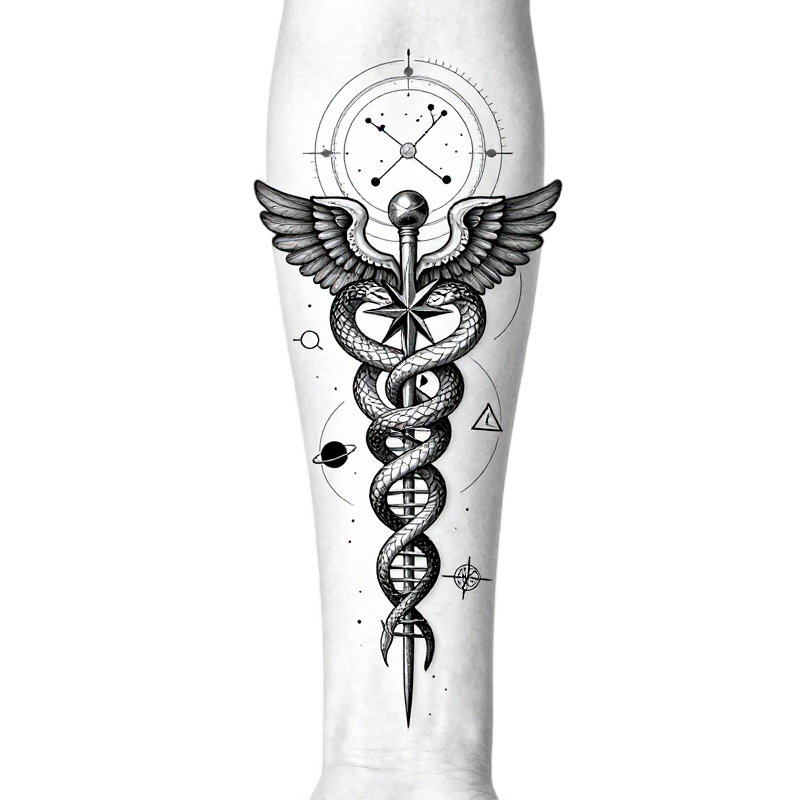
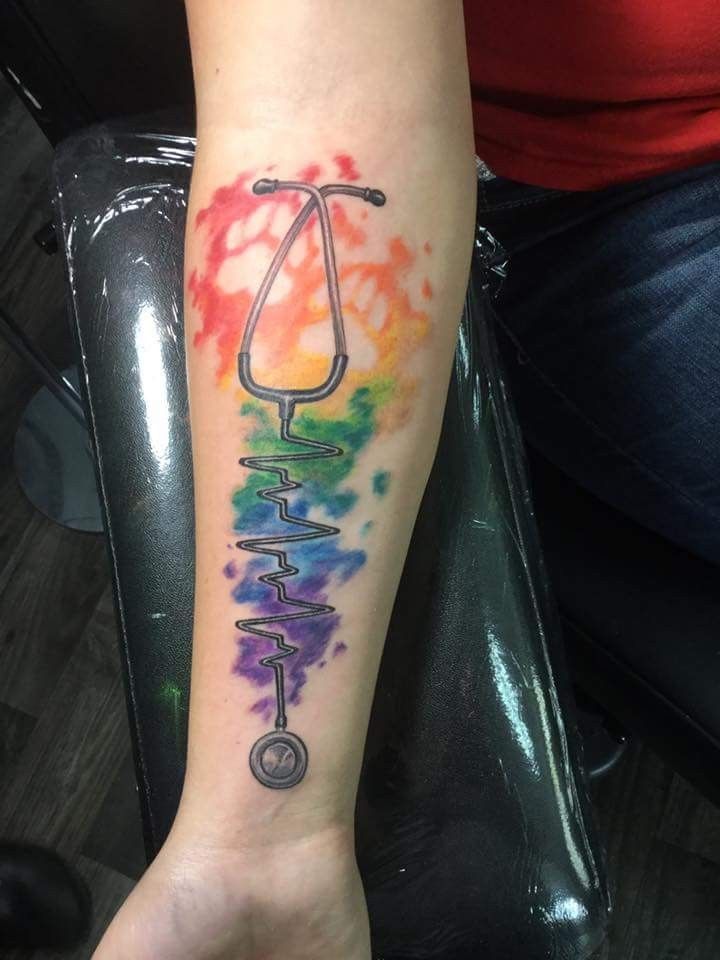
Vet Med Tattoo Ideas
Selection from Pinterest
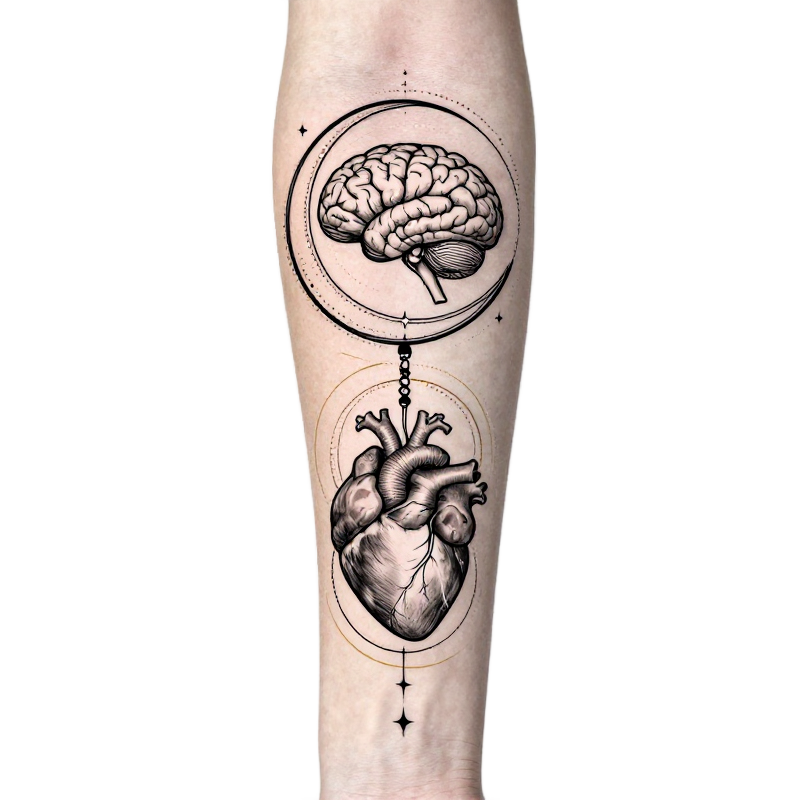
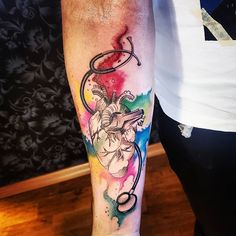
Discover 170 Nurse tatts and nurse tattoo ideas | tattoos, medical tattoo, tattoo designs and more
Selection from Pinterest
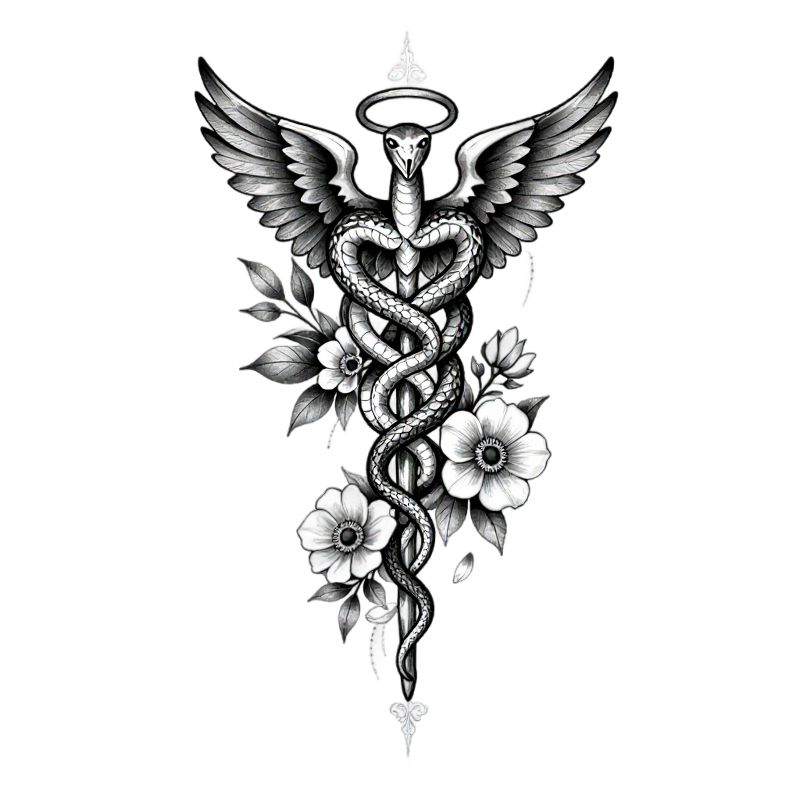
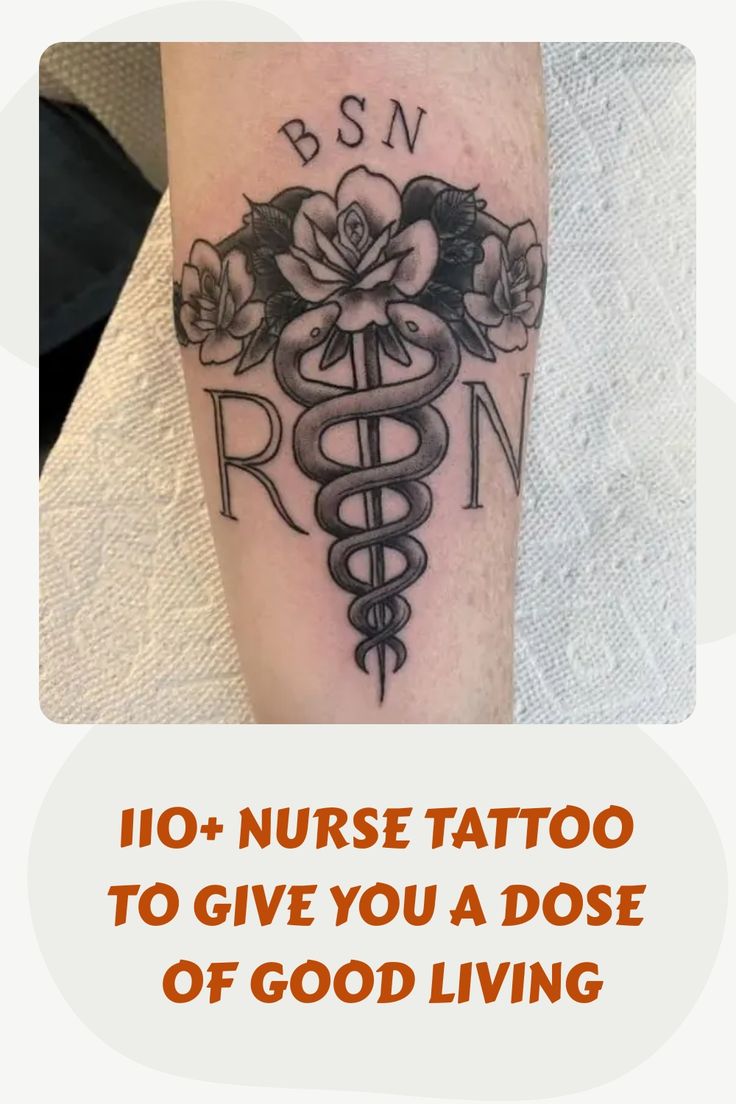
110+ Nurse Tattoo to Give You a Dose of Good Living
Selection from Pinterest
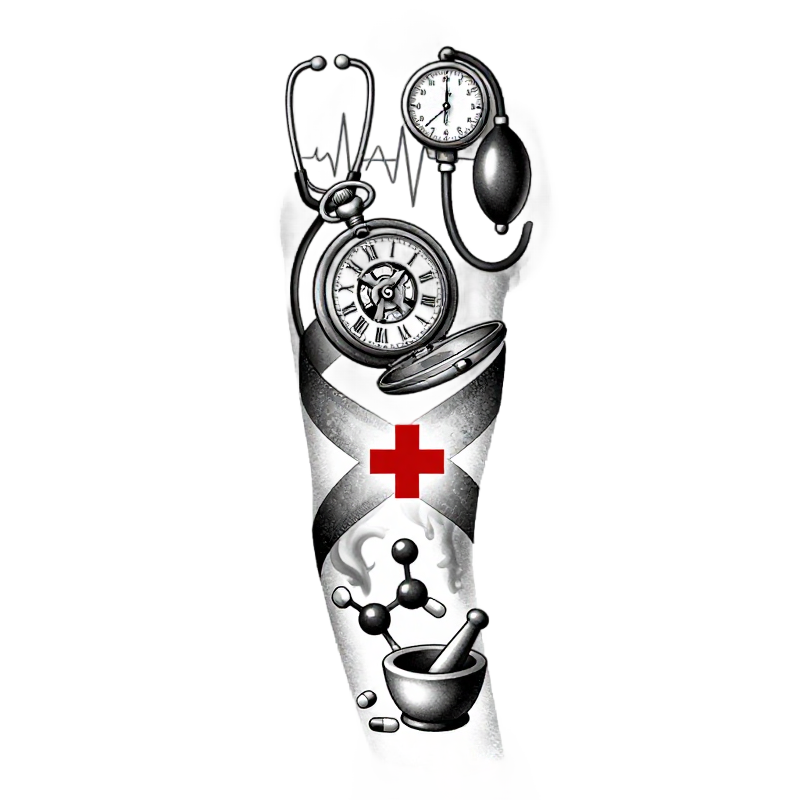
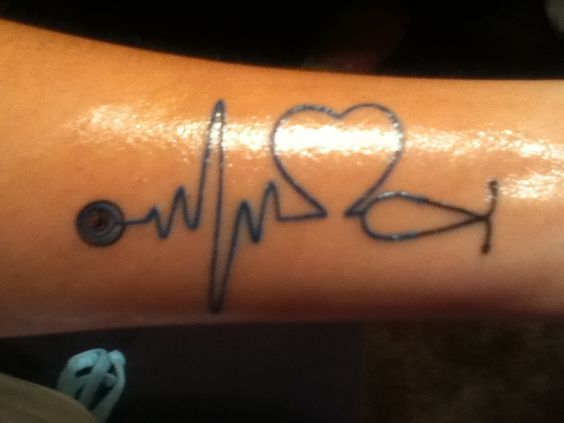
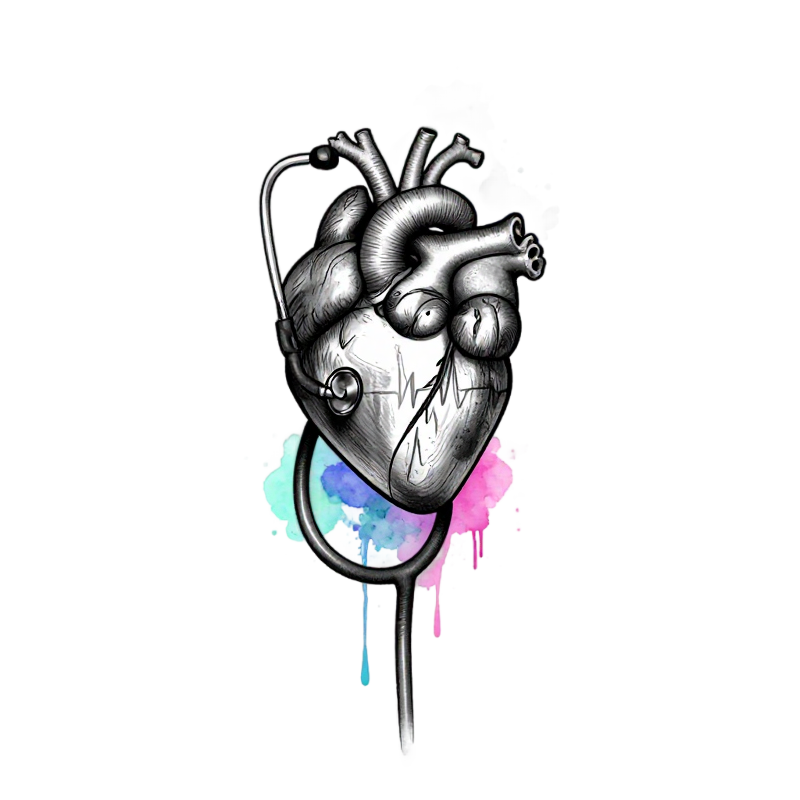
Stethoscope tattoo:
Selection from Pinterest

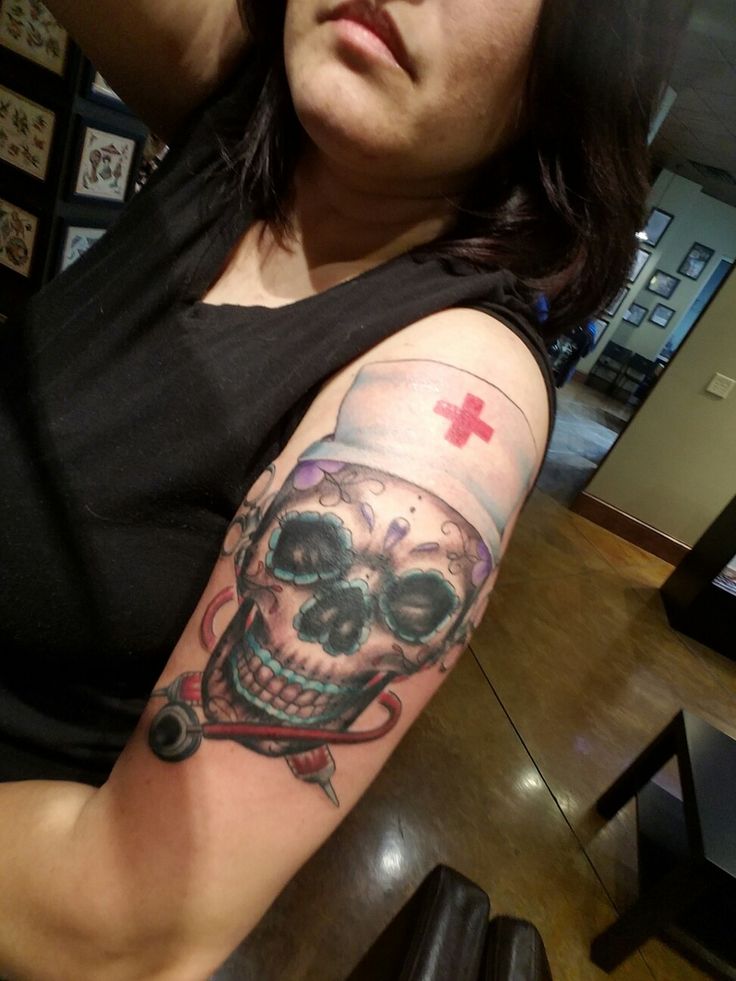
Pin by Jennifer Clark on Tattoo ideas | Medical tattoo, Tattoos, Medical tattoo nurse
Selection from Pinterest
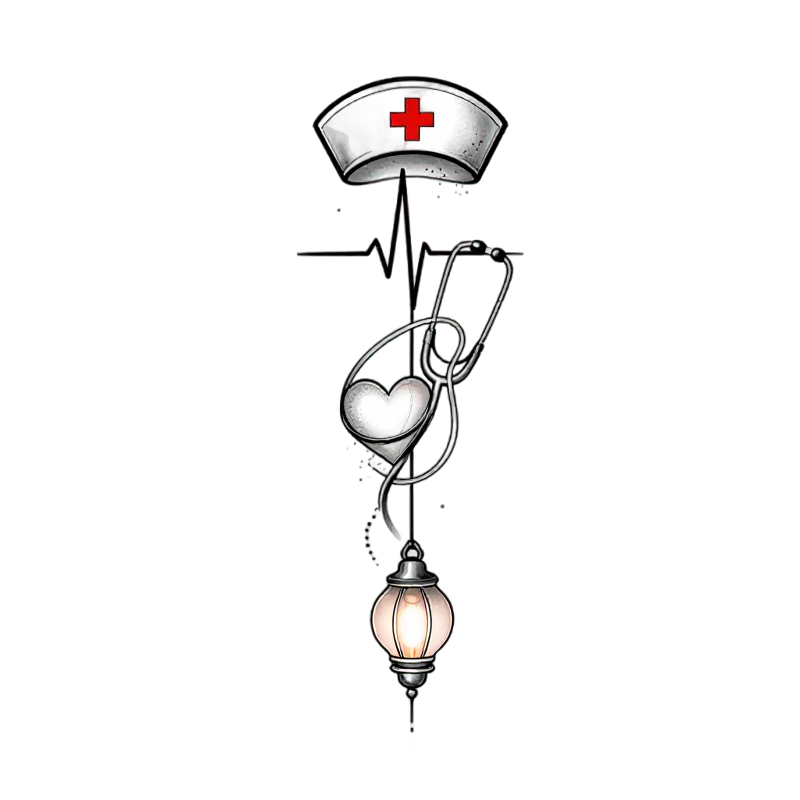
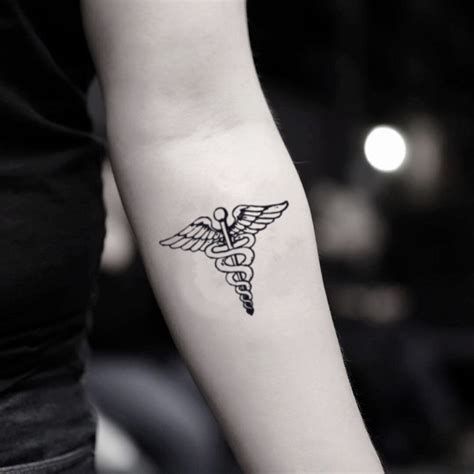
Physical Therapy Tattoo Ideas
Selection from Pinterest
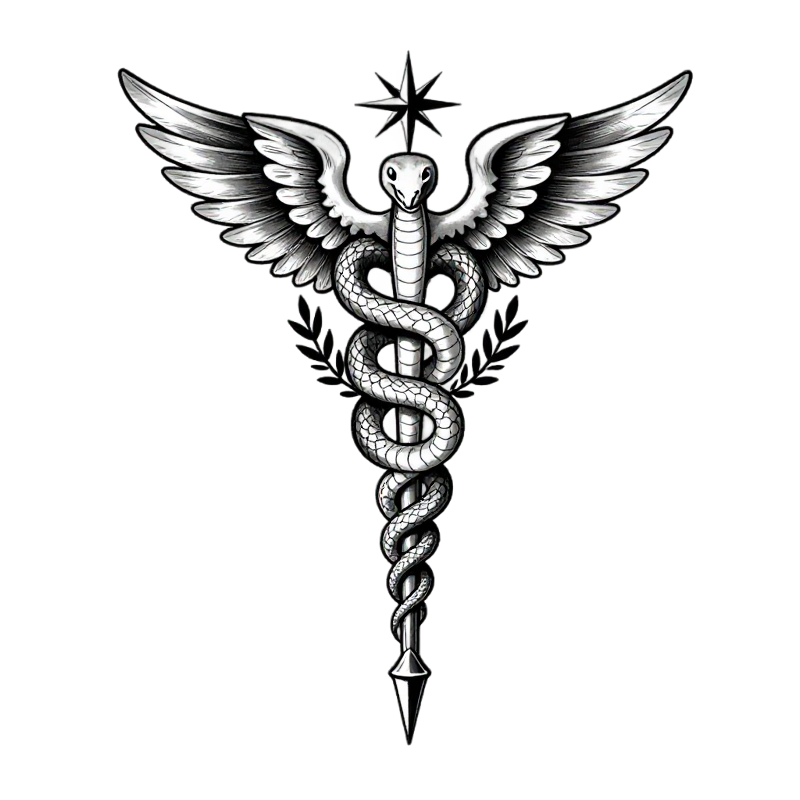
Small Caduceus Tattoo Ideas: Minimalistic and Unique Designs to Represent Medical Professions
Selection from Pinterest
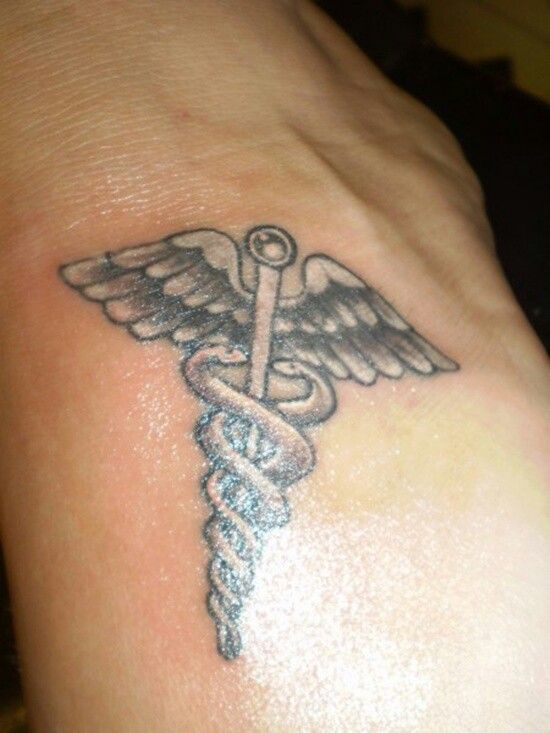
White highlights
Selection from Pinterest
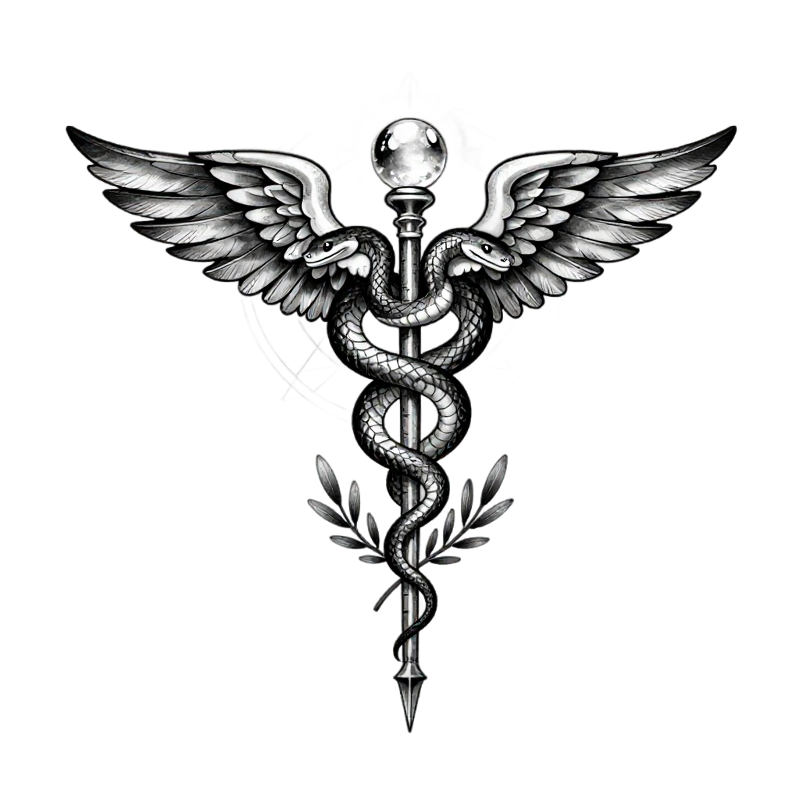
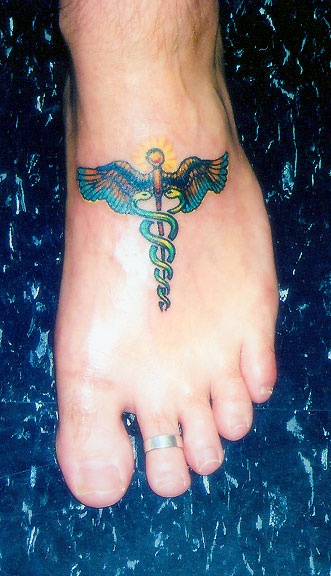
Pin by Susan Lydia on Medical tattoo | Caduceus tattoo, Medical tattoo, Tattoos
Selection from Pinterest
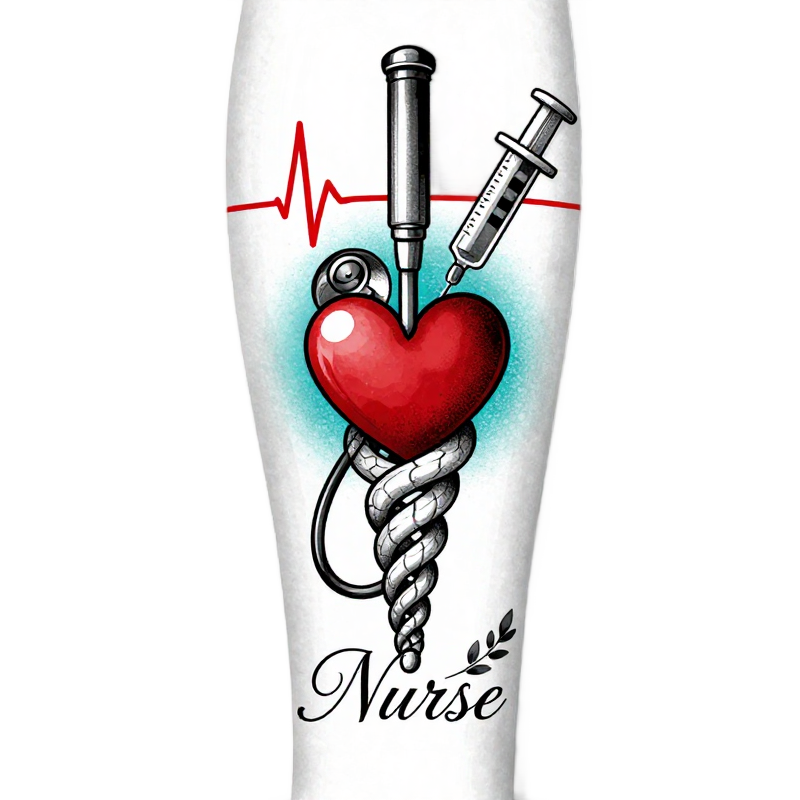
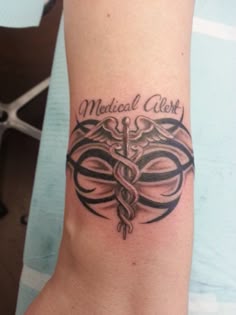
Discover 32 Medical Alert Tattoos and Medical Allergy Tattoo Ideas Ideas | caduceus tattoo, nurse tattoo, t1d tattoo and more
Selection from Pinterest
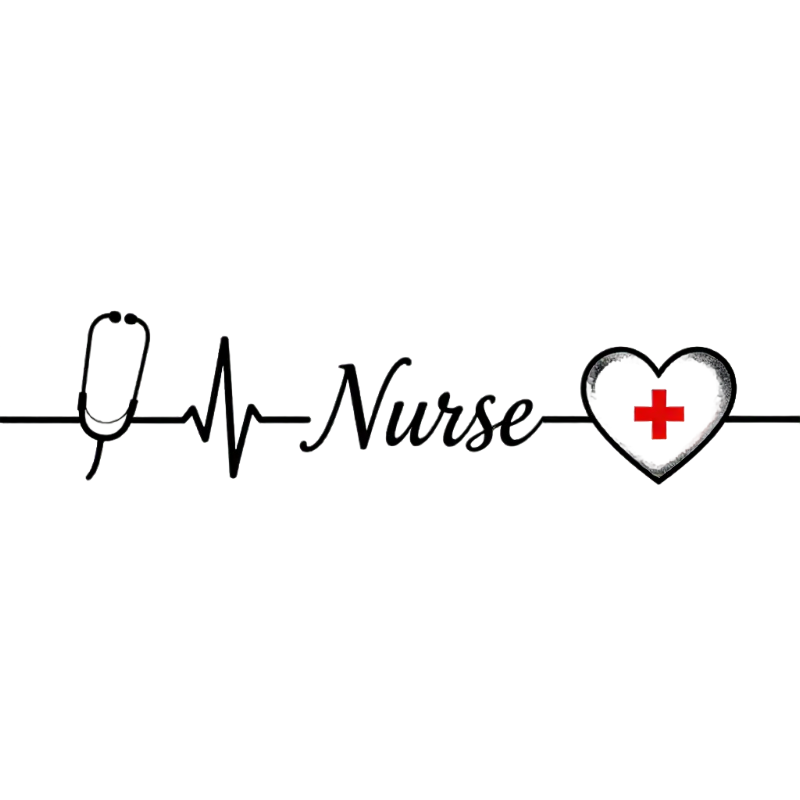
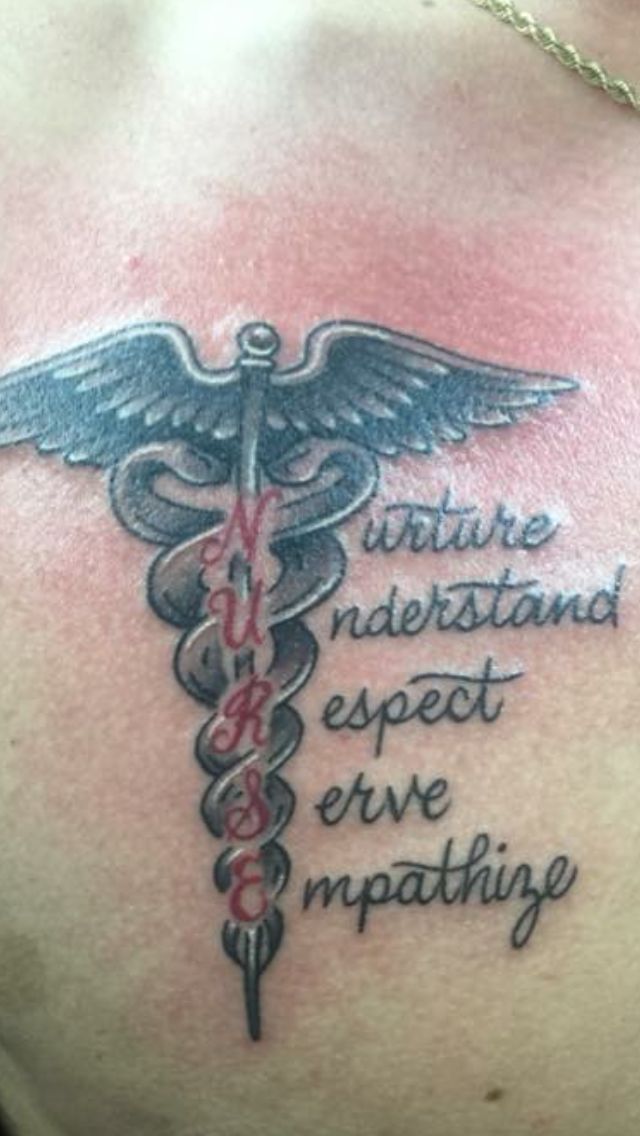
Pin by Melissa Porter on Tatoos ;) | Tattoos for women small meaningful, Nurse tattoo, Medical
Selection from Pinterest
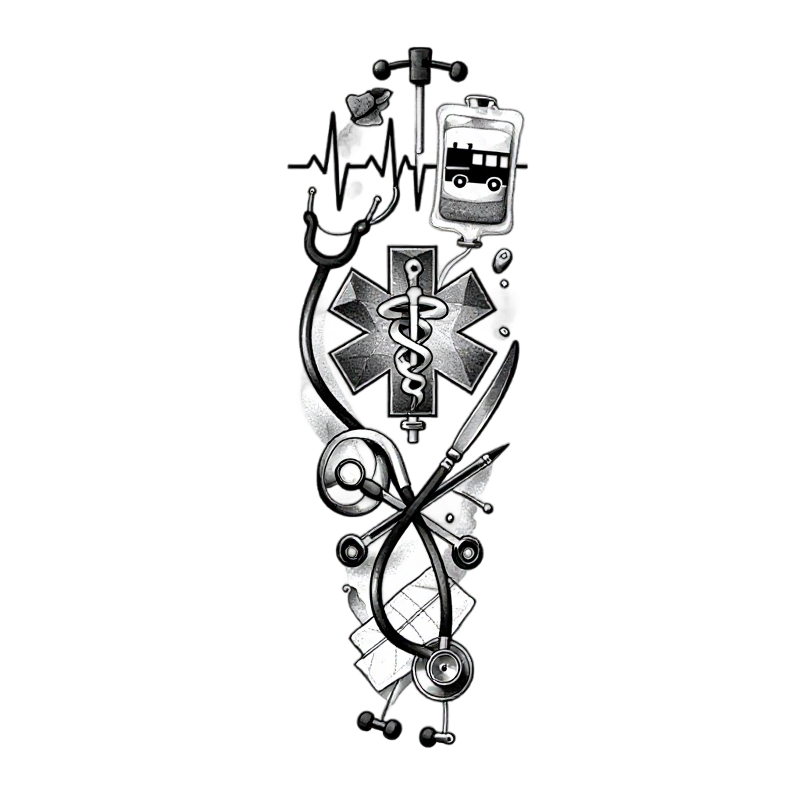

Discover 18 Nurse Tattoo and Medical Tattoo Ideas | anatomy tattoo, brain tattoo, doctor tattoo and more
Selection from Pinterest
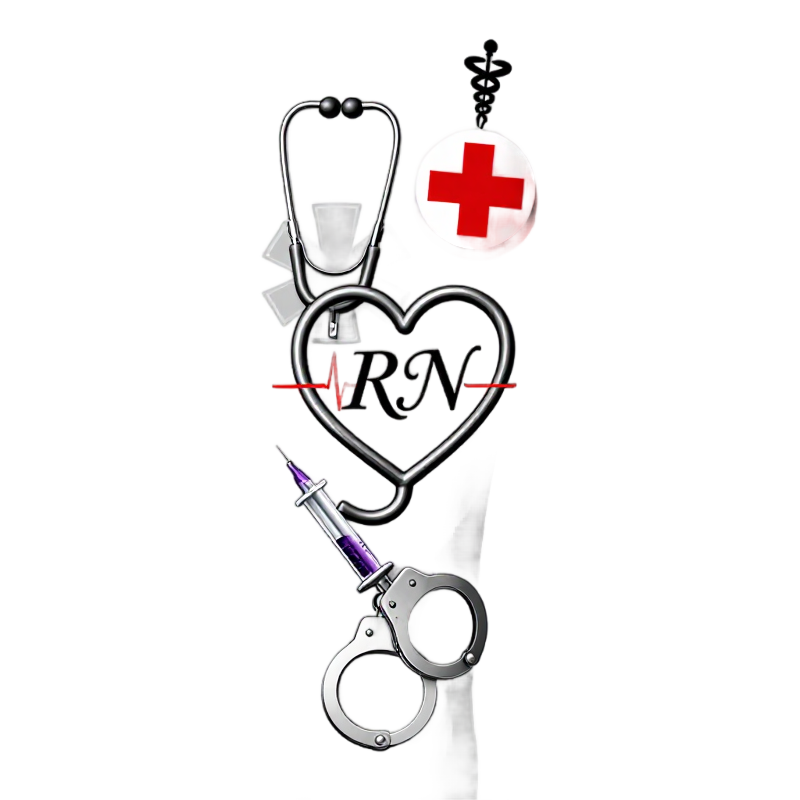
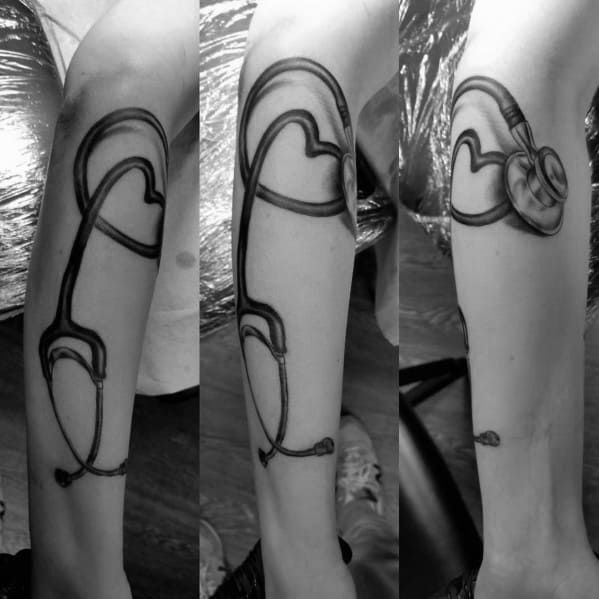
30 Stethoscope Tattoo Ideas for Men
Selection from Pinterest
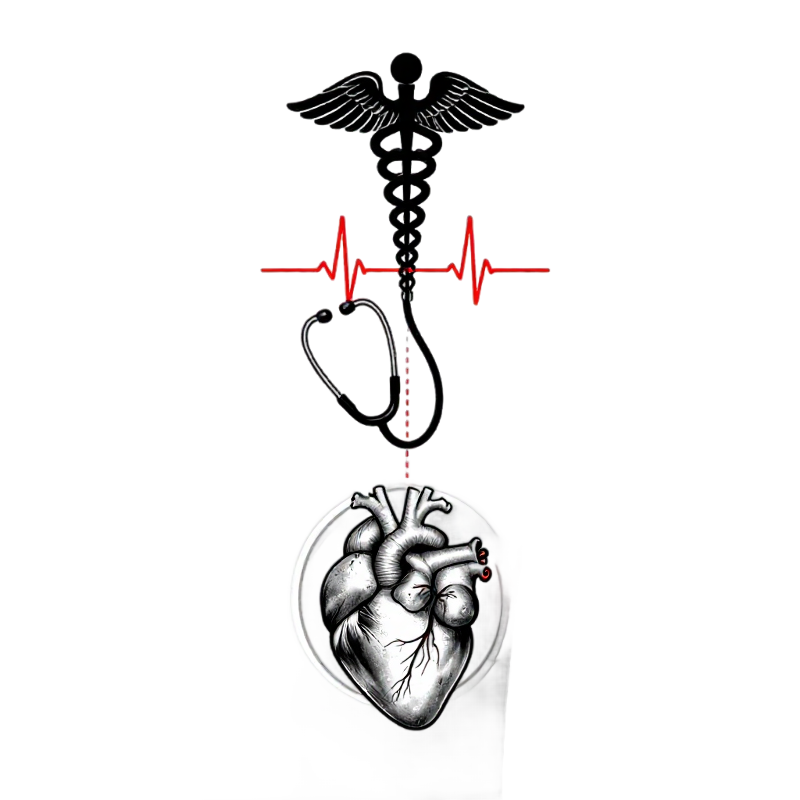
Discover 27 Tattoo and Nurse Tattoo Ideas | caduceus tattoo, medical tattoo, ems tattoos, stethoscope tattoo and more
Selection from Pinterest

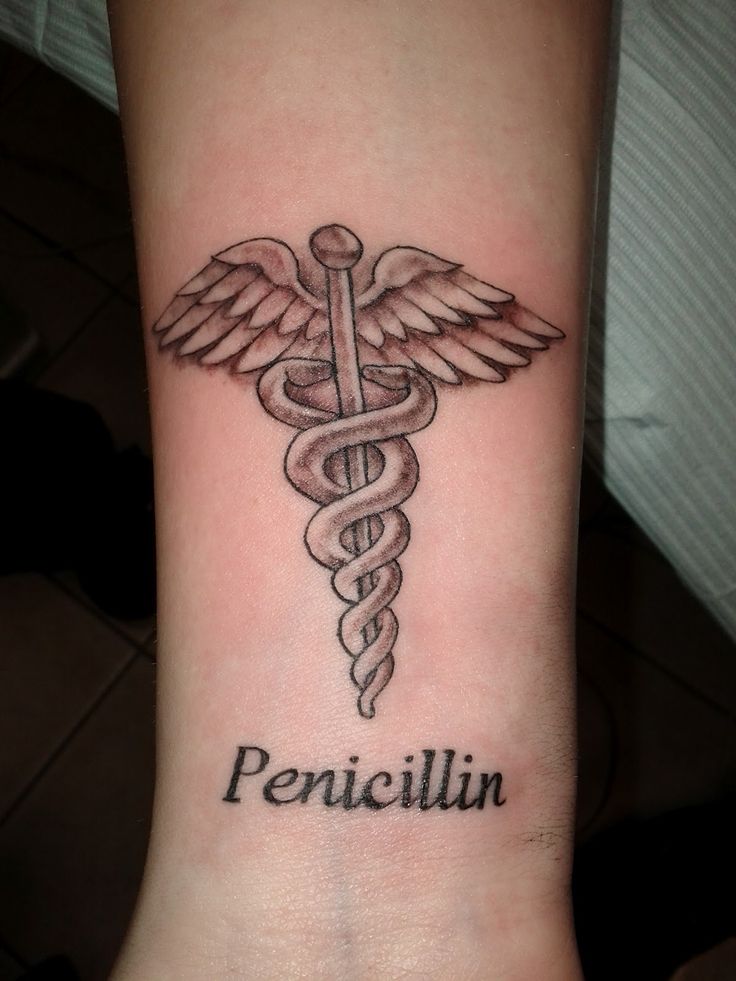
Medical symbol Tattoos | Tatueringsidéer
Selection from Pinterest
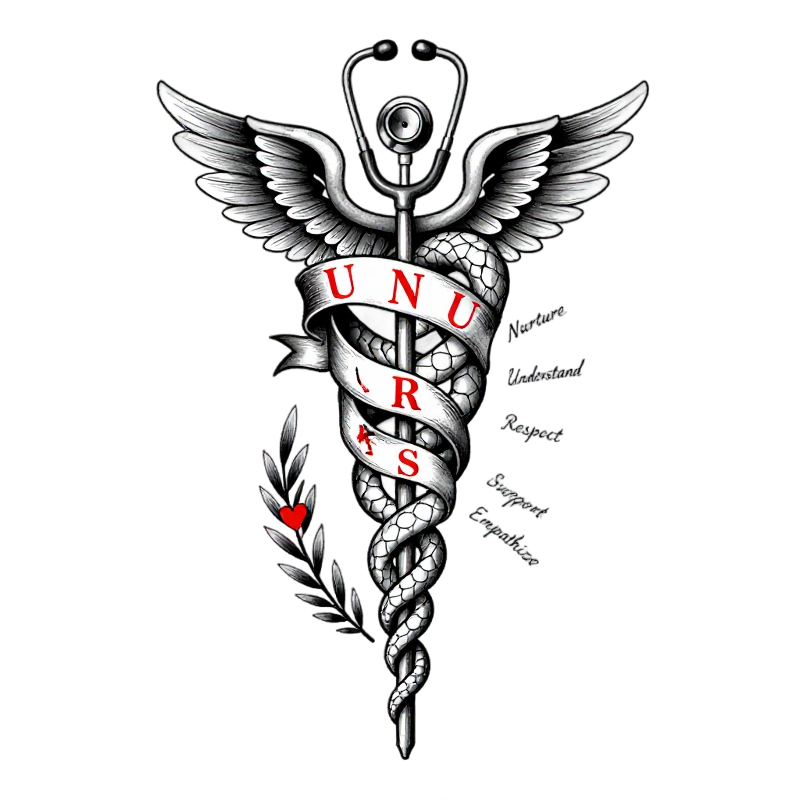
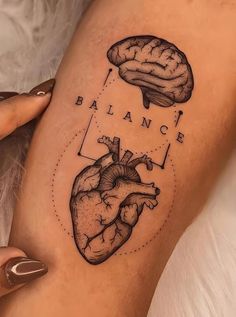
Tattoos for Medical Professionals
Selection from Pinterest
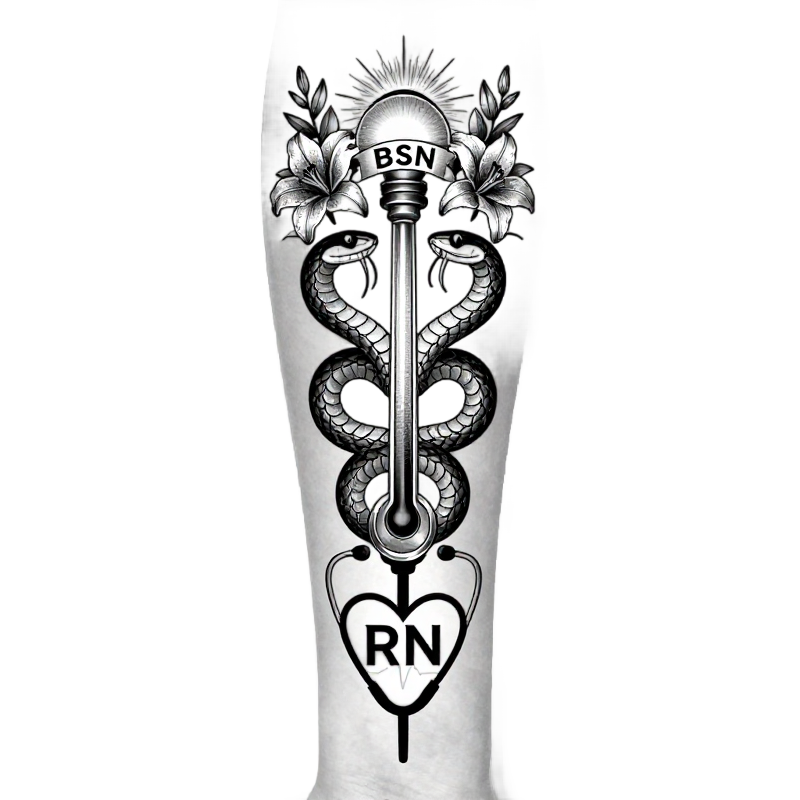
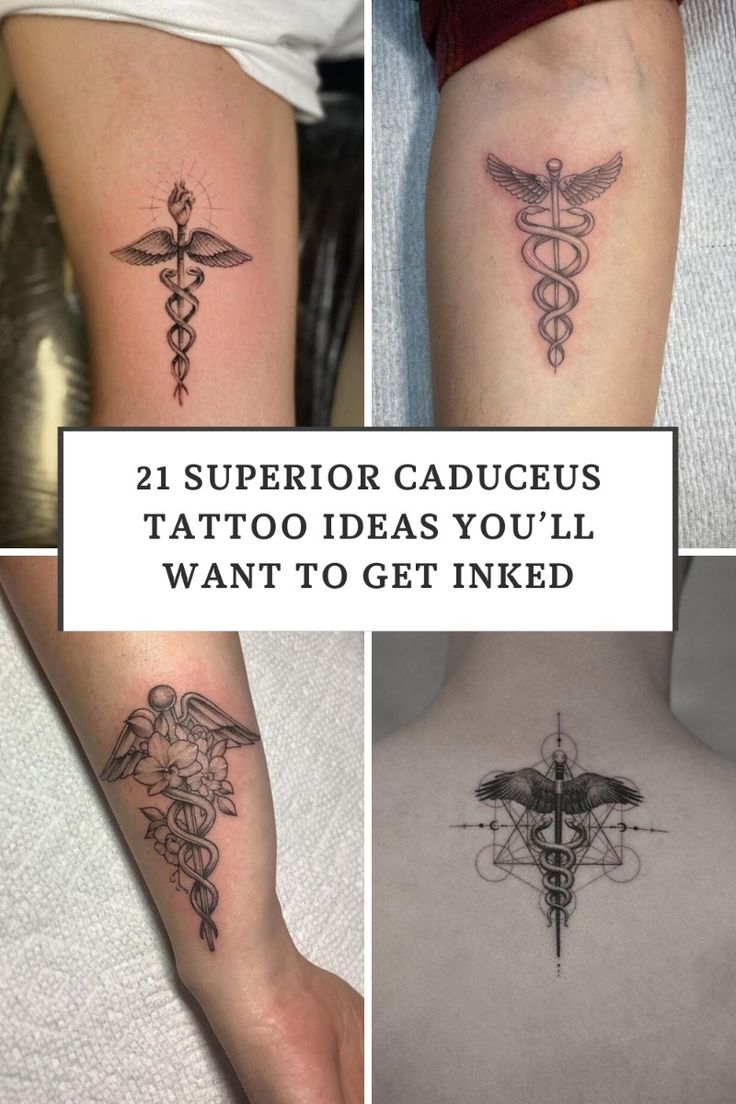
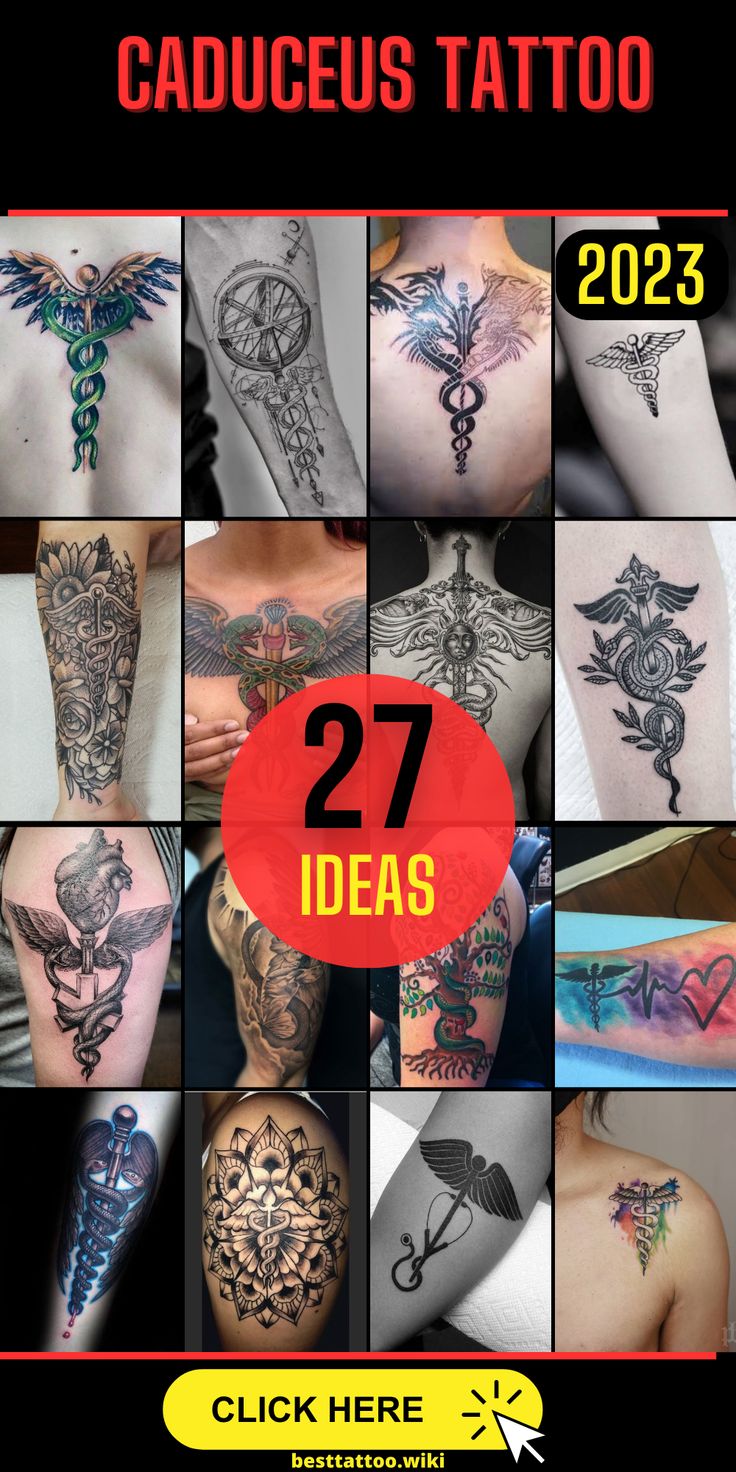
21 Superior Caduceus Tattoo Ideas You'll Want To Get Inked
Selection from Pinterest
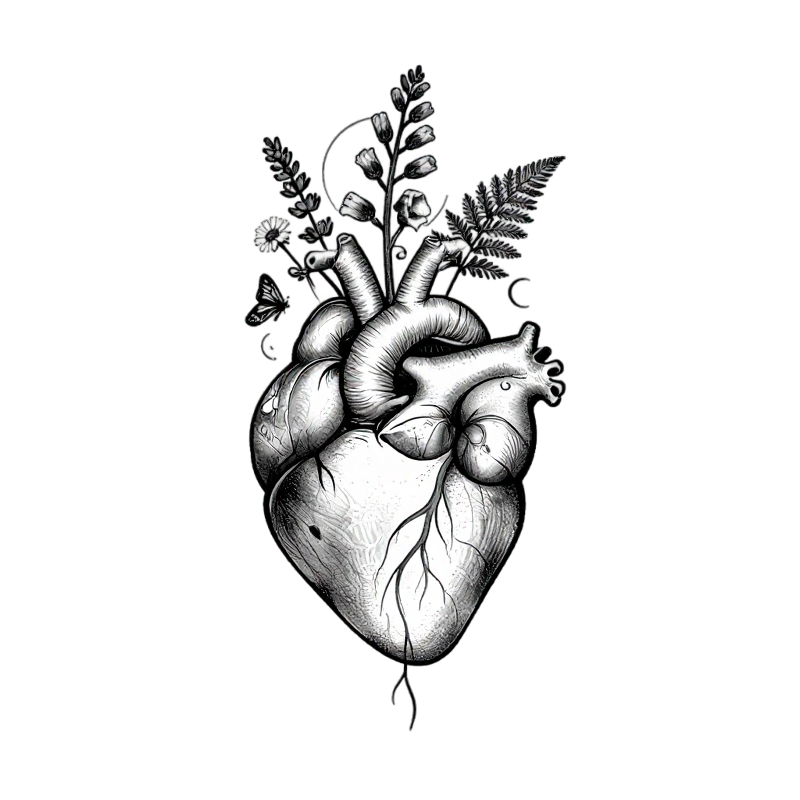
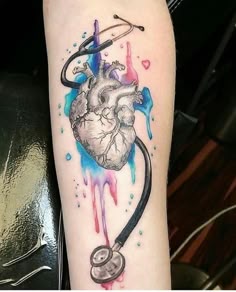
Discover 26 Medical Tattoo and Nurse Tattoo Ideas | caduceus tattoo, doctor tattoo, stethoscope tattoo and more
Selection from Pinterest
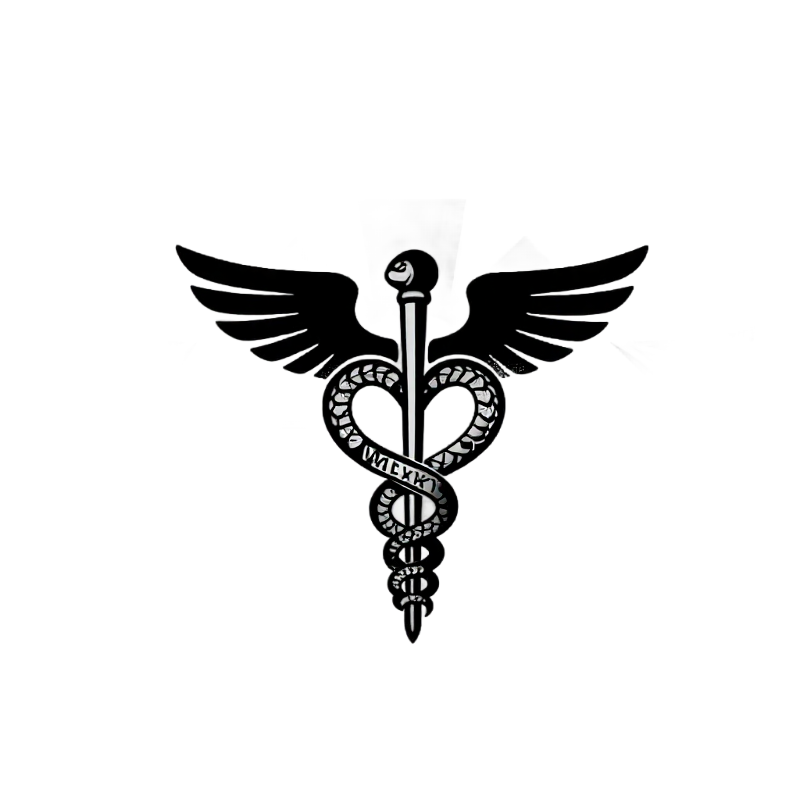
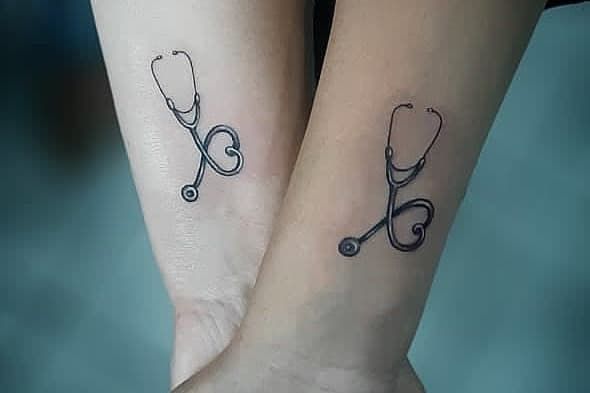
Tattoo Ideas - Page 4 of 204 - Next Luxury
Selection from Pinterest

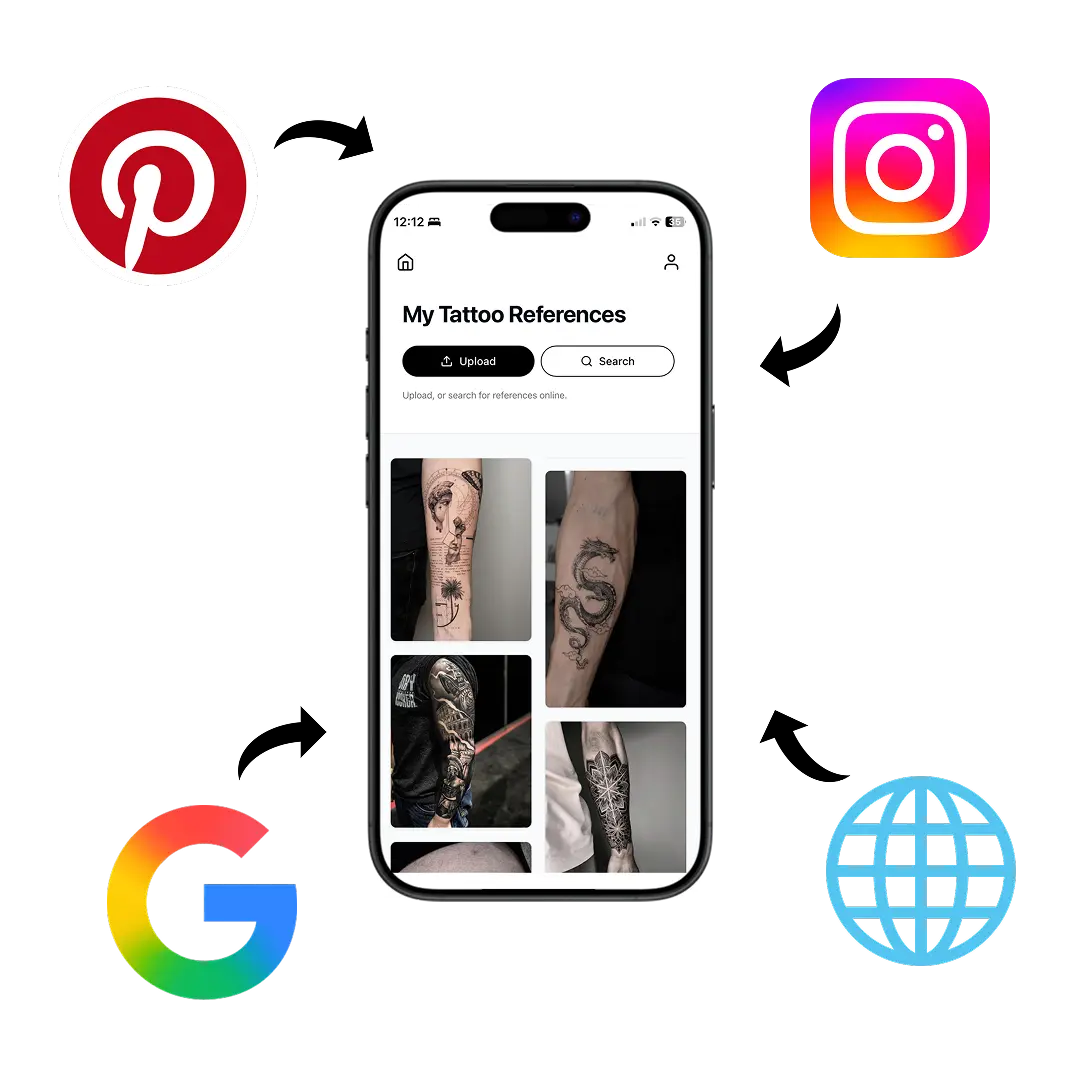
One App to Store All Your Tattoo Ideas
Store your tattoo ideas in one place and Virtual Try-On them on your body!


Avoid Regrets with 3D Virtual Try-On!
Do a 3D Virtual Try-On to see how your tattoo design looks like on your body before you get it tattooed. Powered by Tatship's AI and 3D technology.



Historical Origins and Evolution of Medical Tattoos
The concept of medical tattoos has historical roots, although the practice has evolved significantly over time. Historically, tattoos have been used for identification and communication purposes, which aligns with the modern use of medical tattoos. During World War II, some soldiers had their blood type tattooed on their bodies for quick identification in case of injury. This practice highlighted the practical application of tattoos in medical emergencies. Over the years, as tattooing became more mainstream and accepted, the use of tattoos for medical purposes gained popularity, especially as a reliable alternative to medical alert jewelry.