Morse Tattoo Ideas, Designs and Meaning
Meaning of Morse Tattoos
- Morse tattoos often symbolize communication and secrecy, as they use a code of dots and dashes to convey messages.
- These tattoos can represent a personal or meaningful message that is hidden in plain sight, known only to those who understand Morse code.
- Historically, Morse code was developed in the 1830s and 1840s for the telegraph, revolutionizing long-distance communication.
- Culturally, Morse tattoos can be seen as a nod to the past, honoring the history of communication and technology.
- They are popular among individuals who value privacy and wish to keep their tattoo's meaning personal and discreet.
- Morse tattoos can be designed in various styles, from minimalist lines to more elaborate designs incorporating other elements.
- They are versatile and can be placed on any part of the body, often chosen for areas that can be easily concealed or revealed.
- This tattoo idea is gender-neutral, appealing to anyone who appreciates the mystery and history of Morse code.
- Morse tattoos can also symbolize resilience and survival, as Morse code has been used in critical situations to send distress signals.
2,260 Tattoo Ideas
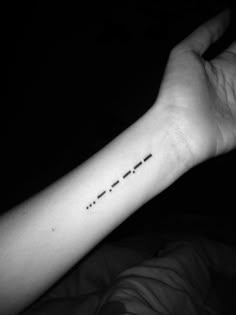

Morse code tats
Selection from Pinterest
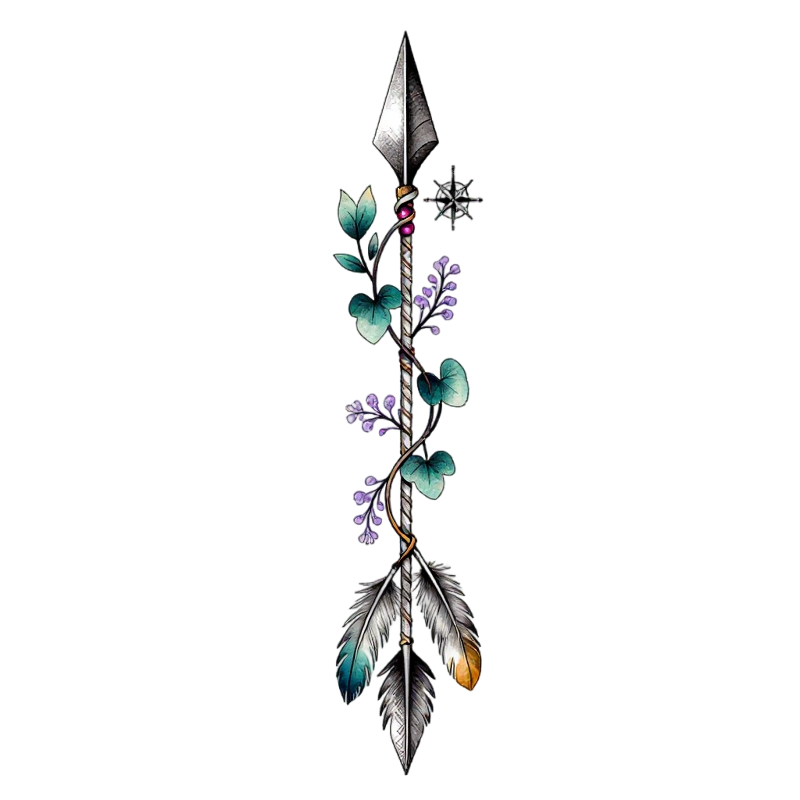

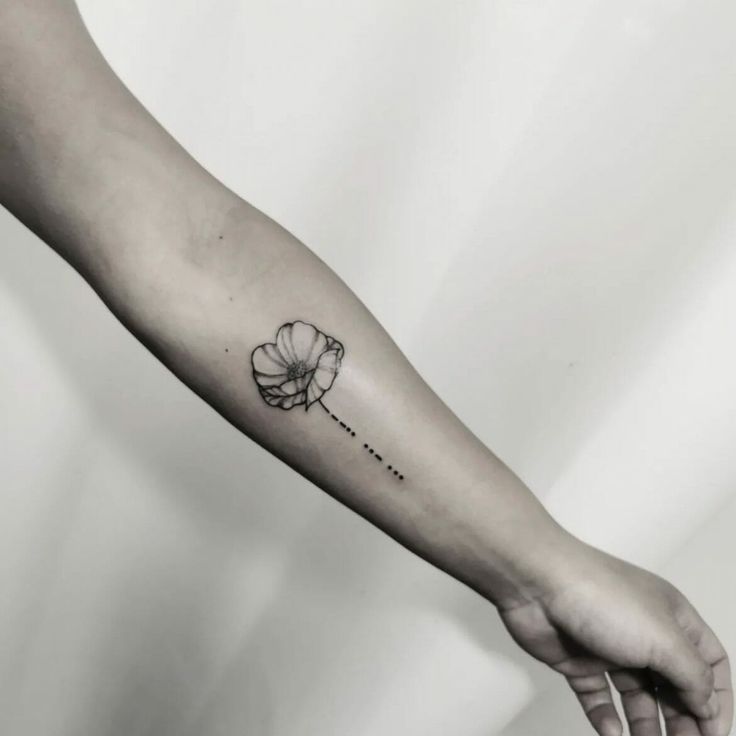
101 Best Morse Code Tattoo Ideas You Have To See To Believe!
Selection from Pinterest
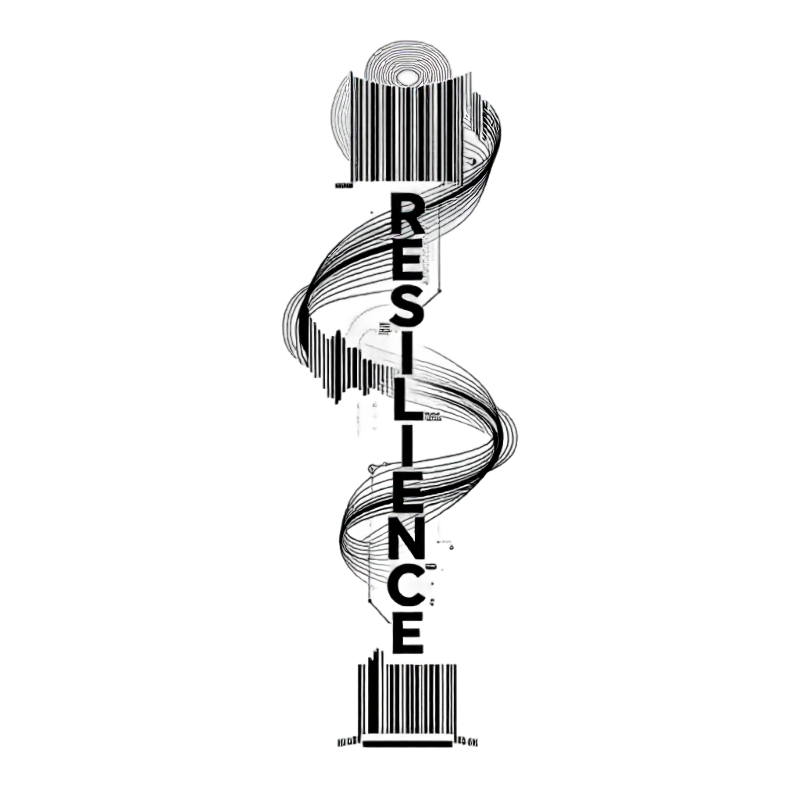
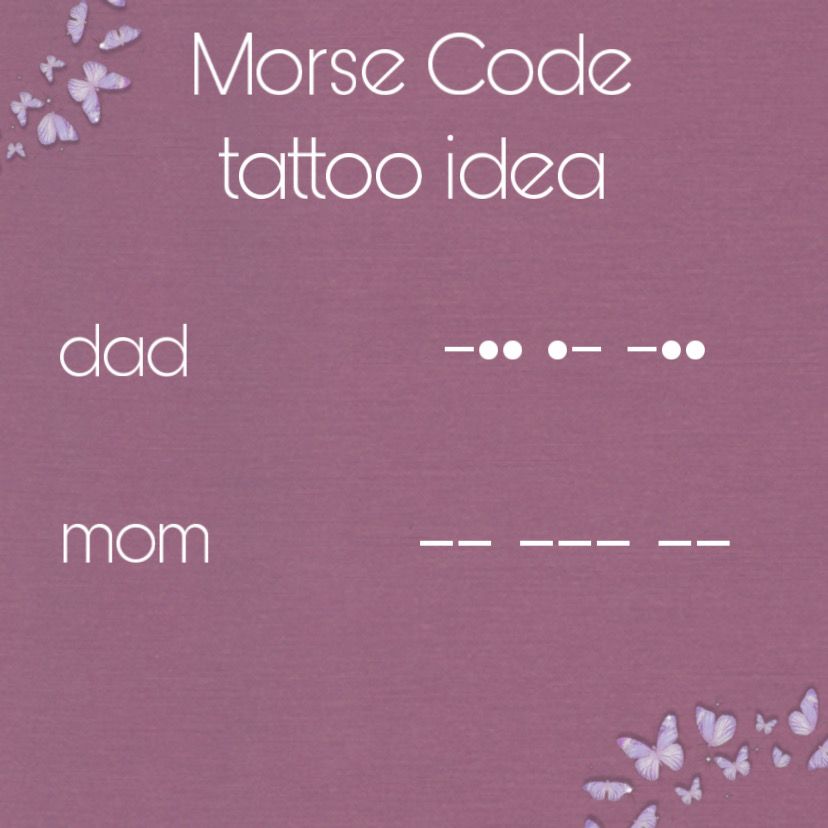
Morse Code Tattoo Idea
Selection from Pinterest
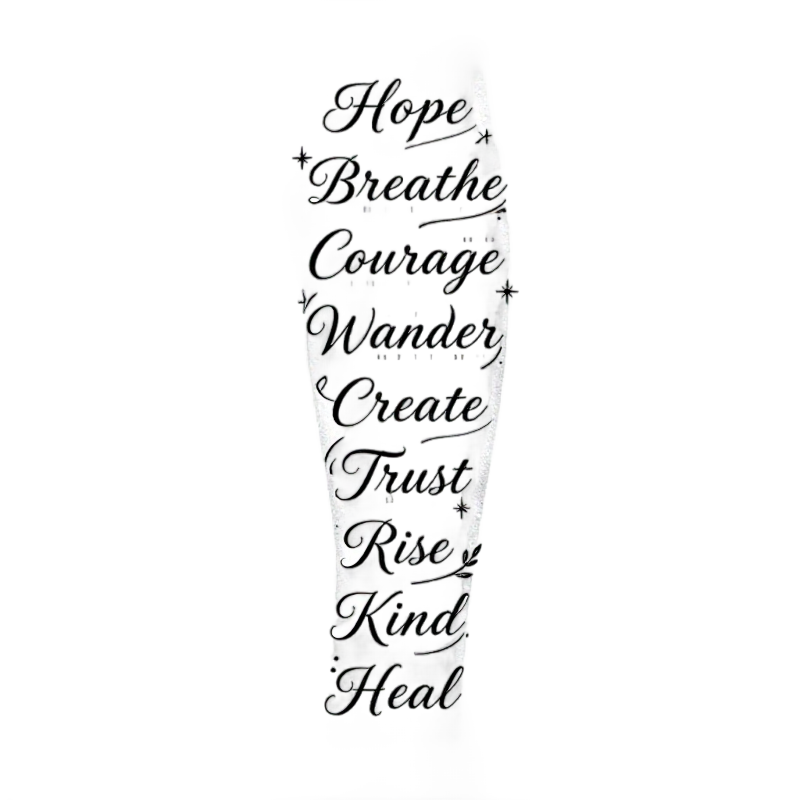
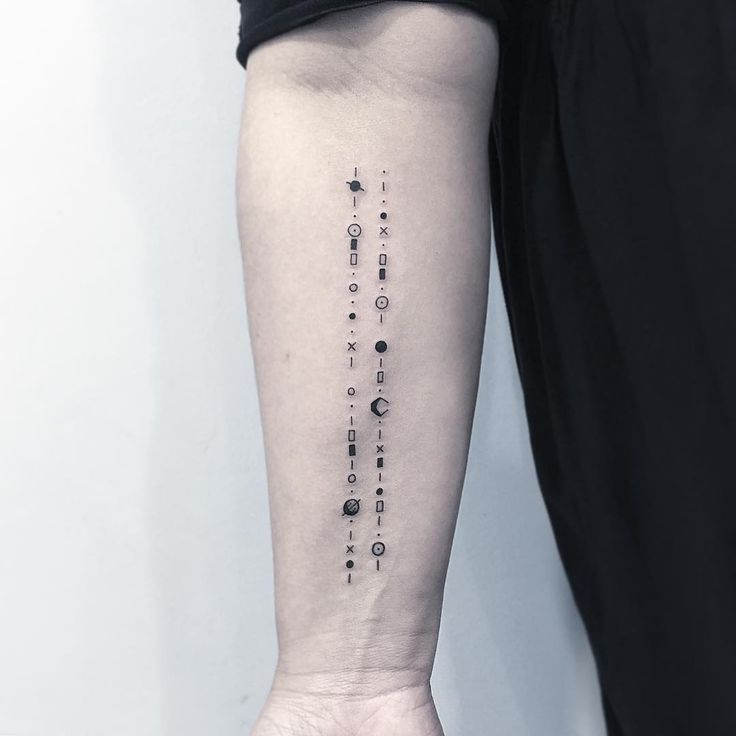
✖️Morse code✖️
Selection from Pinterest

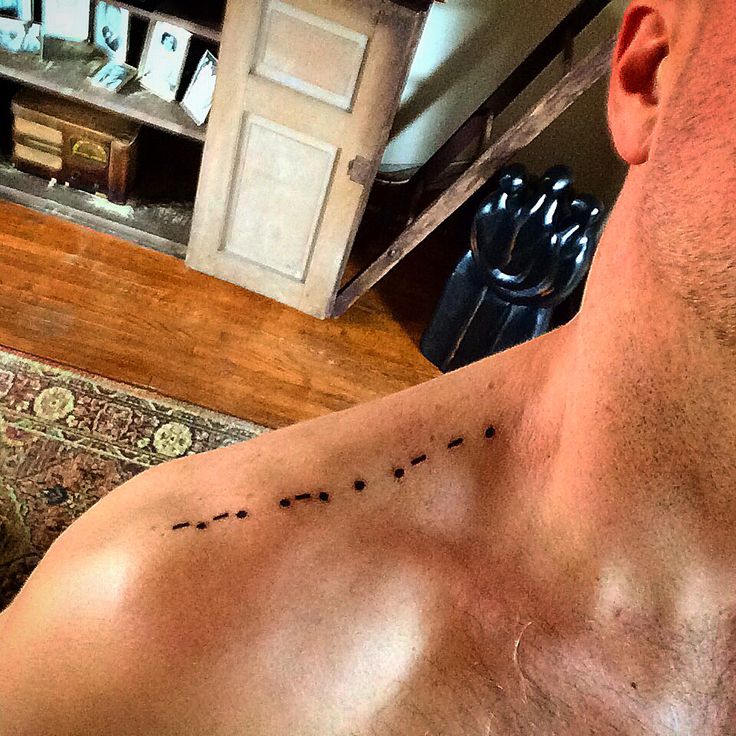
Shoulder tattoo "create" in morse code
Selection from Pinterest

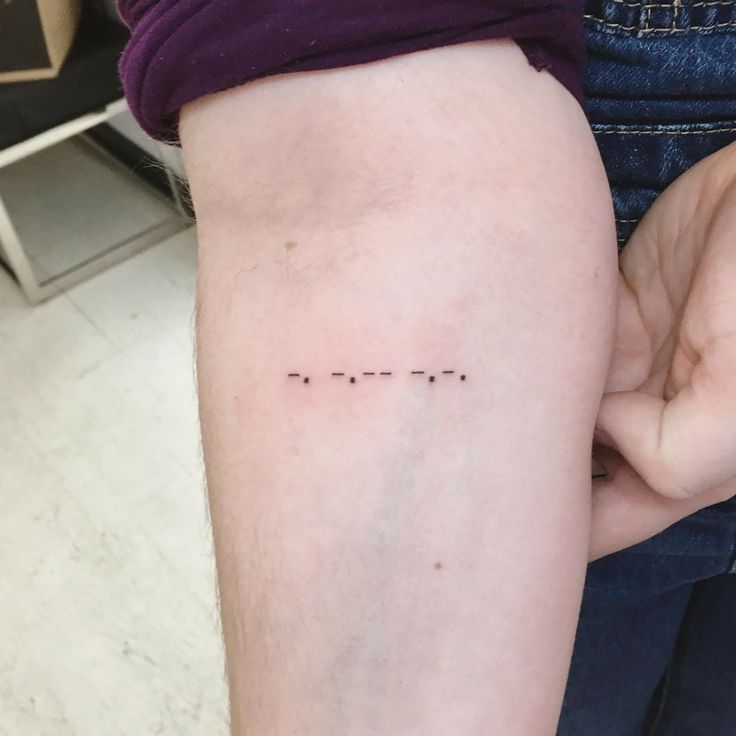
101 Best Morse Code Tattoo Ideas You Have To See To Believe!
Selection from Pinterest

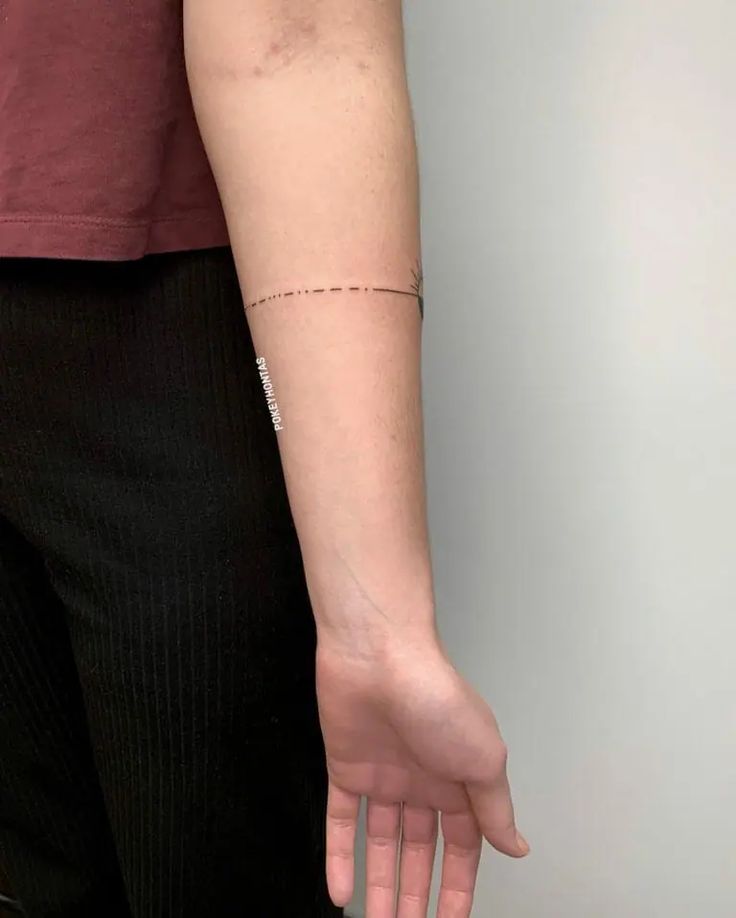
101 Best Morse Code Tattoo Ideas You Have To See To Believe!
Selection from Pinterest
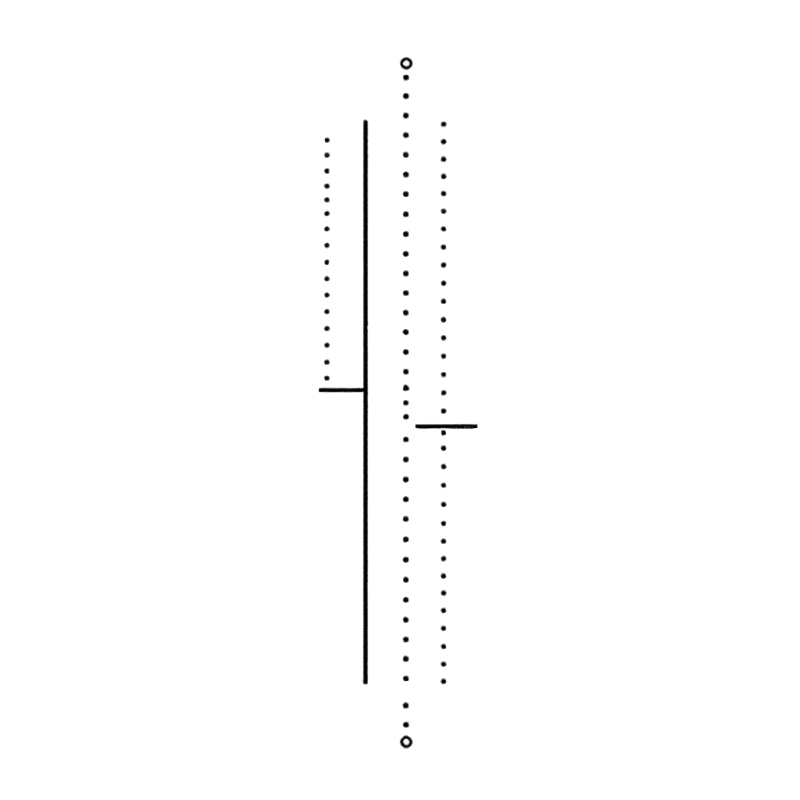
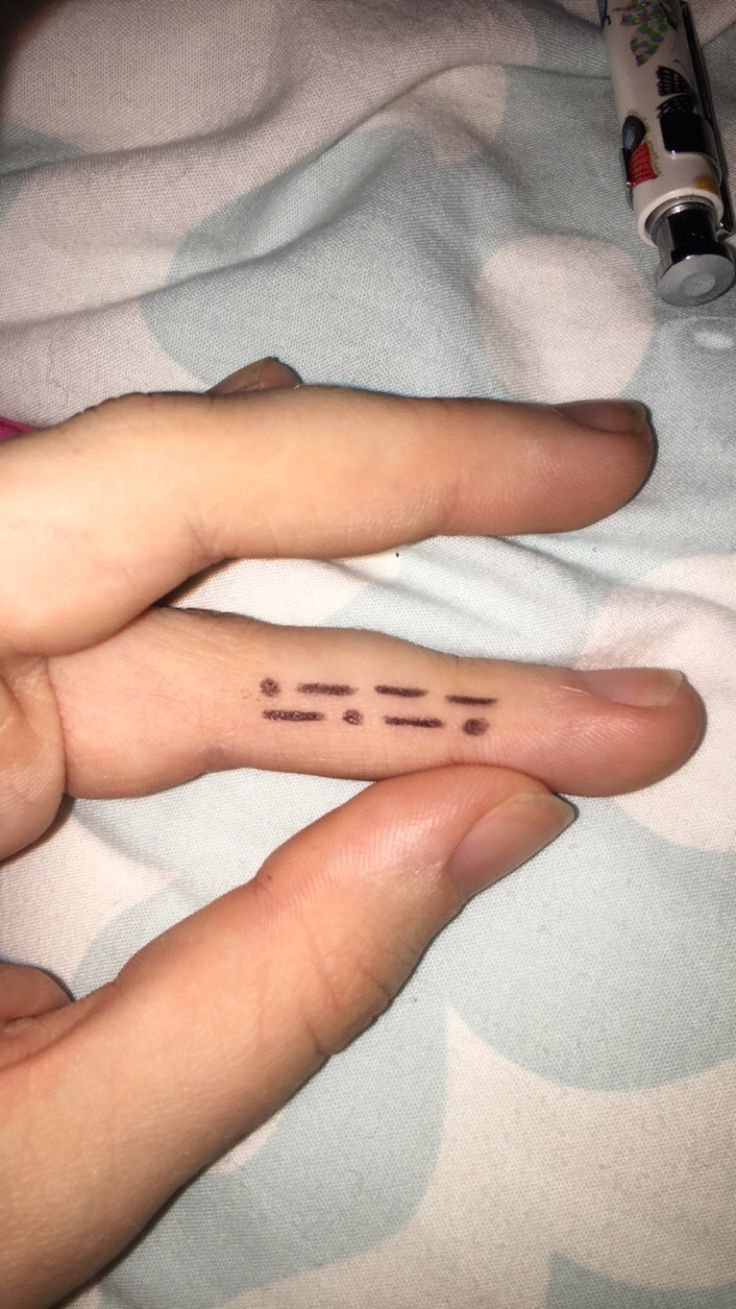
Morse code
Selection from Pinterest
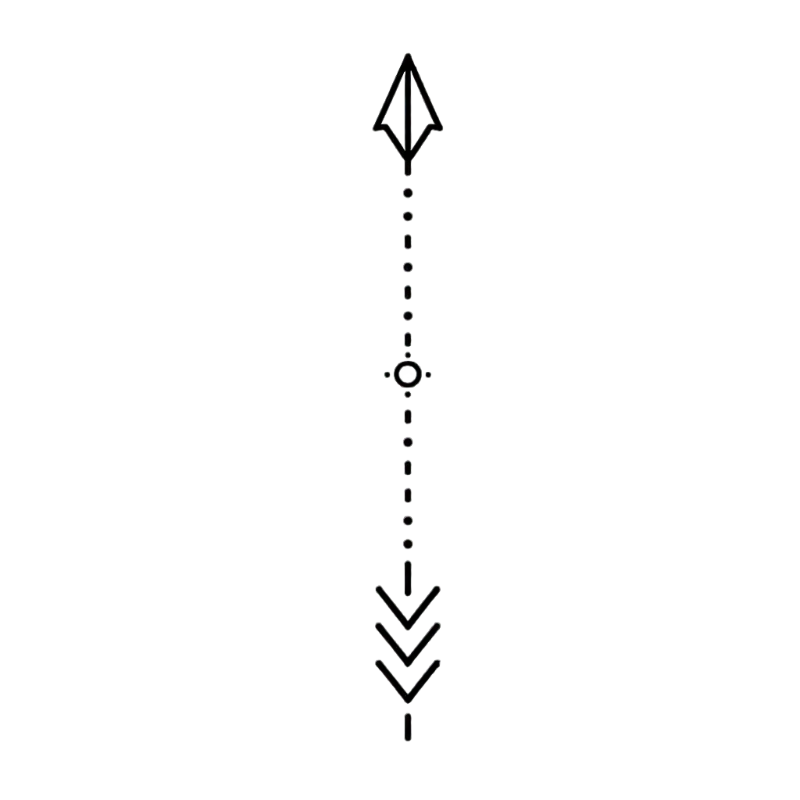
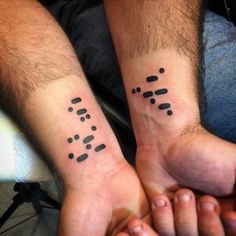
25 Morse code tattoos ideas | morse code tattoo, tattoos, morse code
Selection from Pinterest
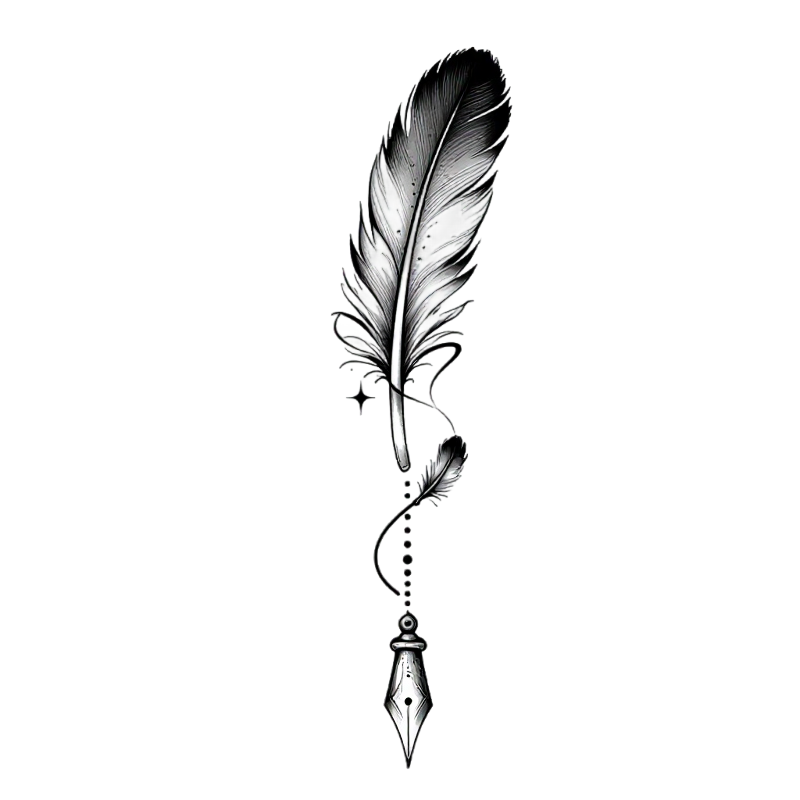
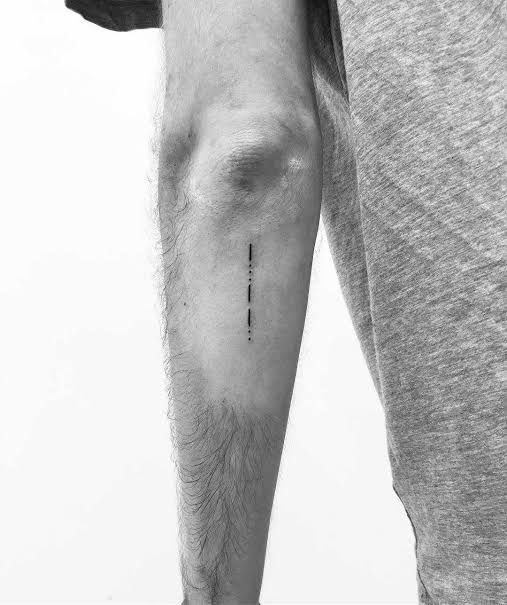
101 Best Morse Code Tattoo Ideas You Have To See To Believe!
Selection from Pinterest

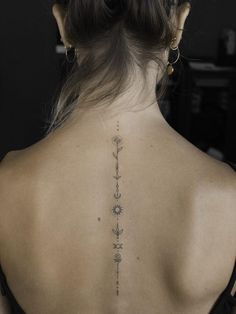
Discover 18 Morse Code Tattoo and Morse Tattoo Ideas | geometric morse code tattoo, spine dainty tattoo, coding tattoo and more
Selection from Pinterest
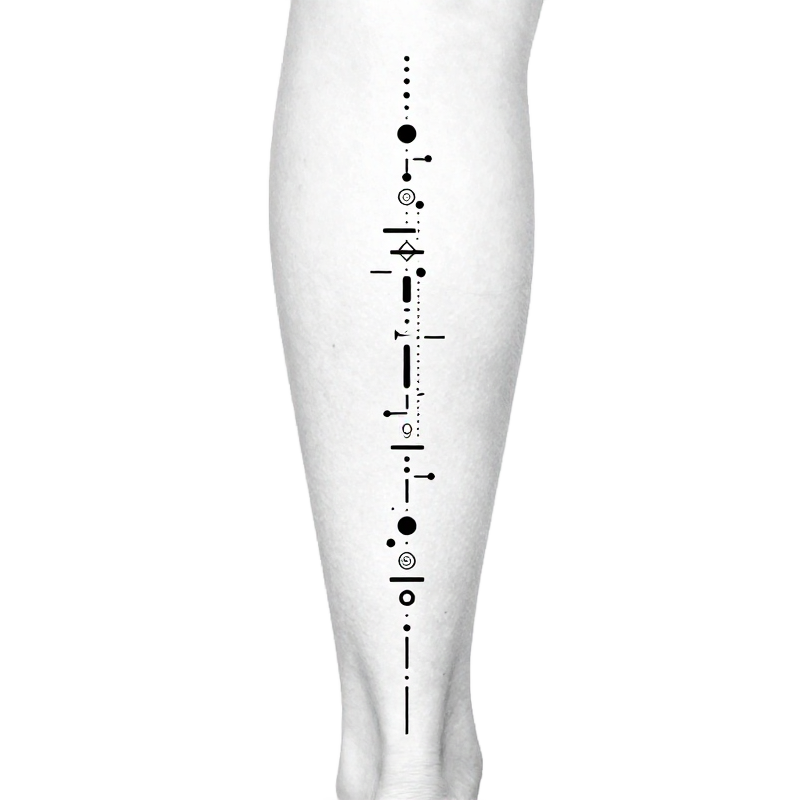
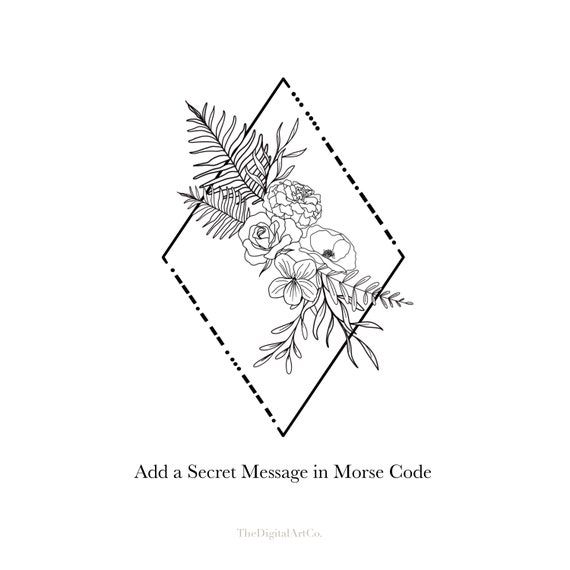
Morse Code Birth Flower Tattoo | Upto SIX Flowers| Two Names or Words Only - Etsy
Selection from Pinterest
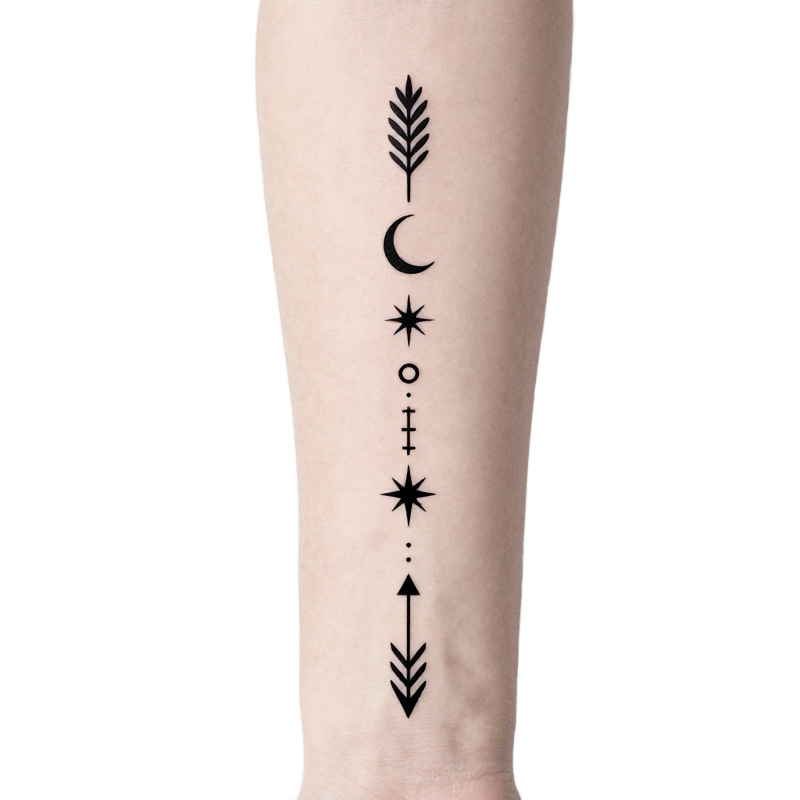
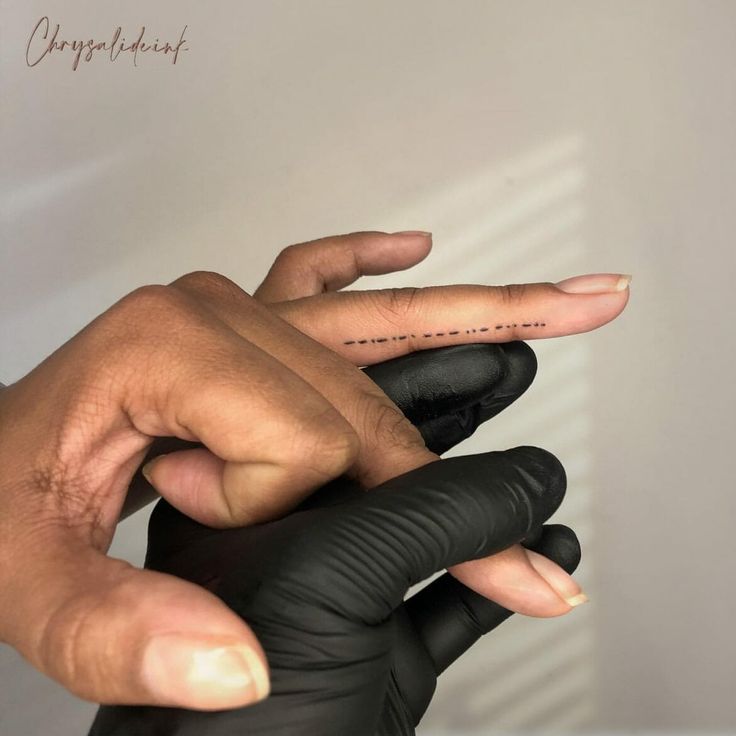
101 Best Morse Code Tattoo Ideas You Have To See To Believe! | Morse code tattoo,
Selection from Pinterest

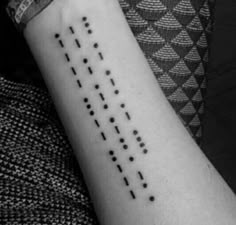
Discover 33 Code and Morse Code Tattoo Ideas | morse code necklace, morse code words, secret message jewelry and more
Selection from Pinterest
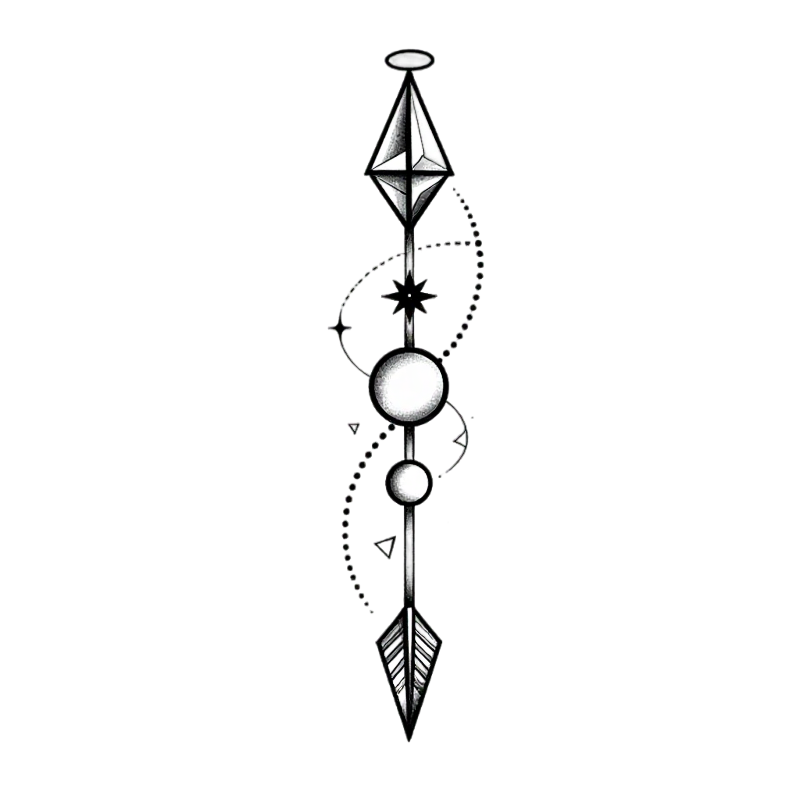
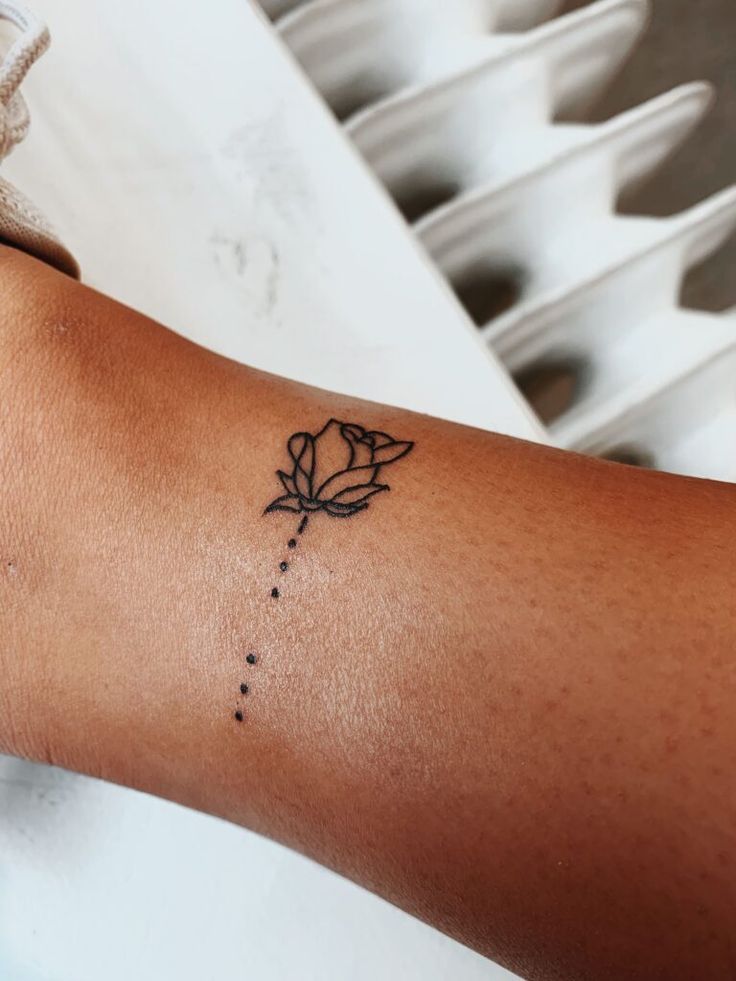
101 Best Morse Code Tattoo Ideas You Have To See To Believe!
Selection from Pinterest

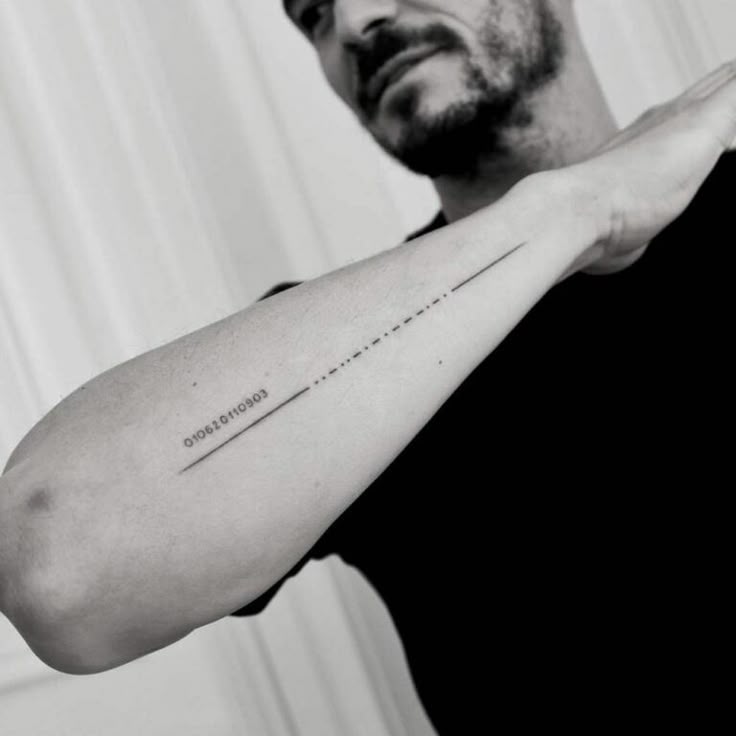
101 Best Morse Code Tattoo Ideas You Have To See To Believe!
Selection from Pinterest

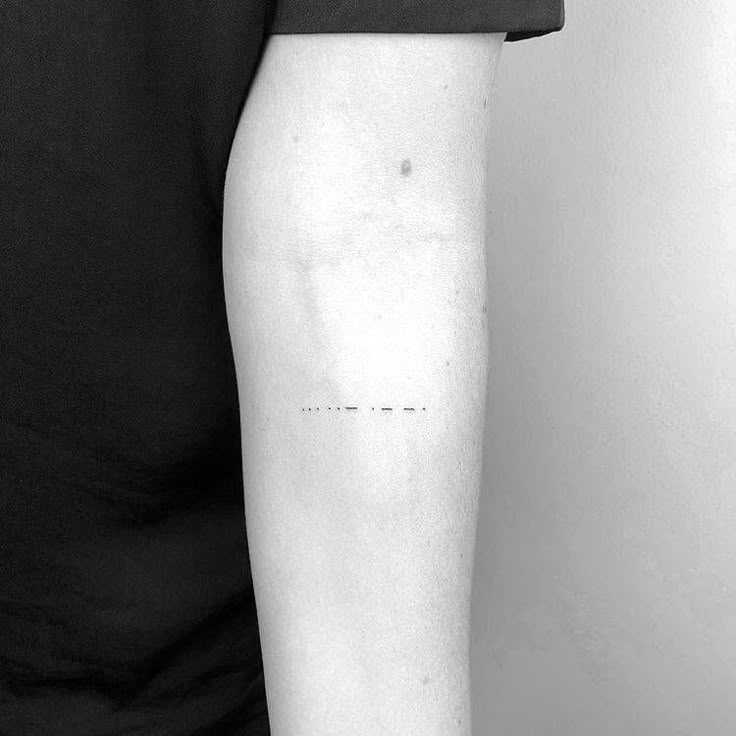
Pin by HEY OKJ on Tattoo:: | Date tattoos, Mini tattoos, Tattoos
Selection from Pinterest

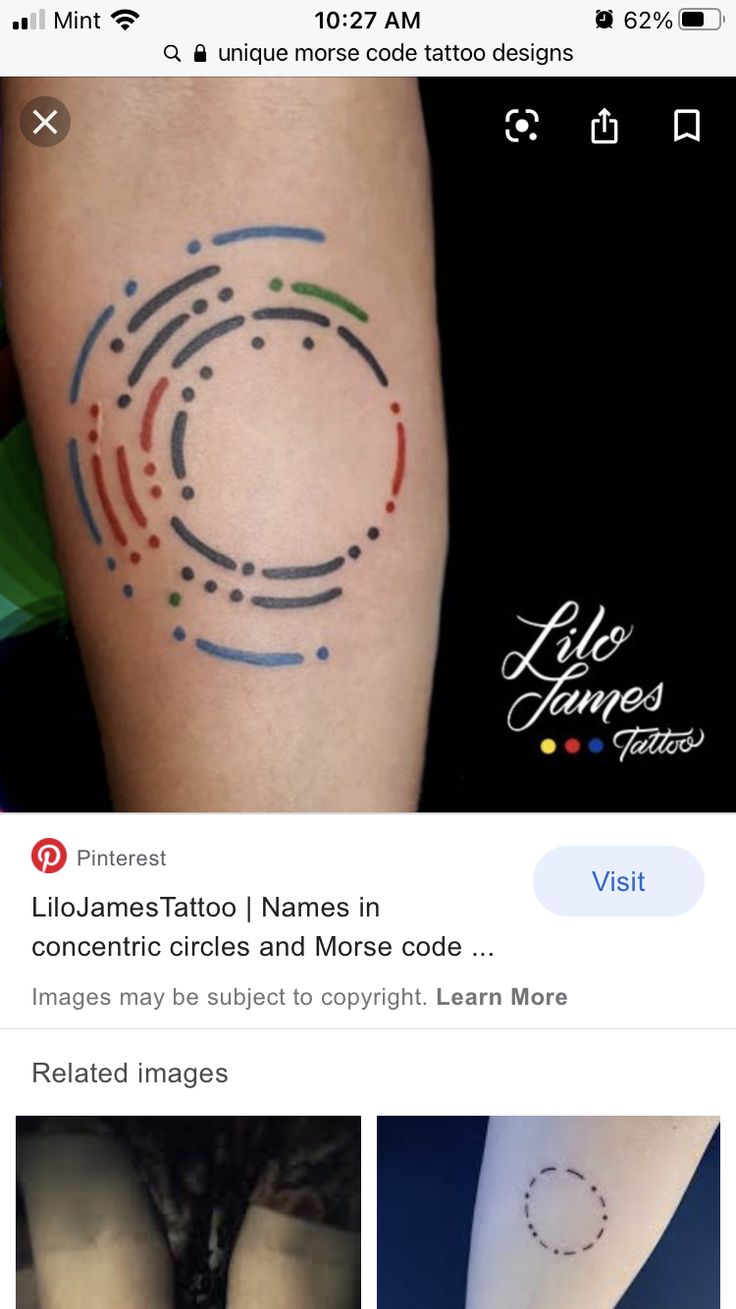
Pin by Krencker Myriam on Tatoo | Circle tattoos, Tattoos, Small shoulder tattoos
Selection from Pinterest

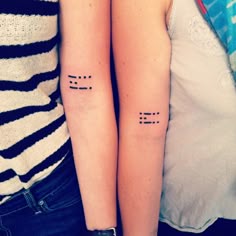
8 Morse code tattoo ideas | morse code tattoo, tattoos, cool tattoos
Selection from Pinterest


26 Morse code tattoo ideas to save today | sleeve tattoos, tattoo sleeve designs, tattoos for guys and more
Selection from Pinterest

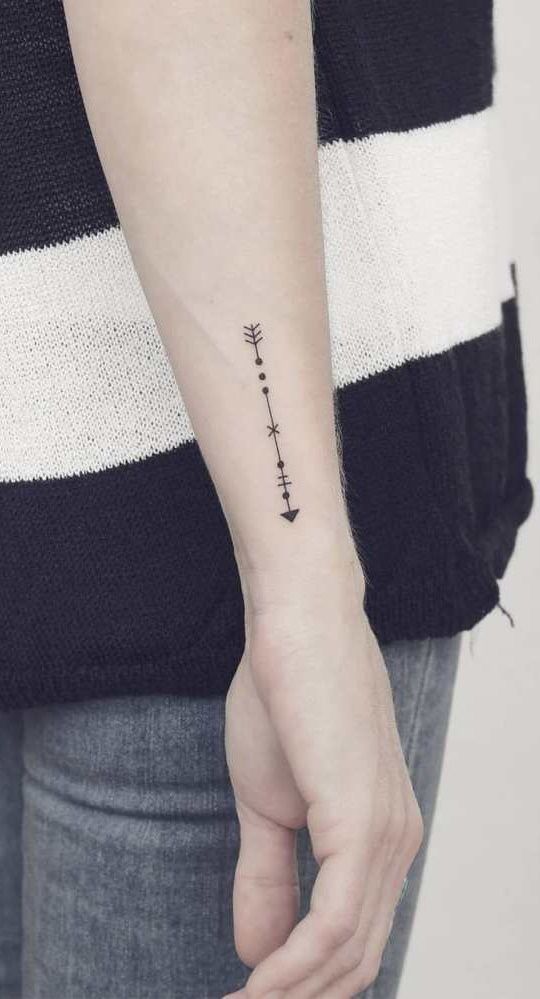
150+ Mind Blowing Morse Code Tattoos (2024)
Selection from Pinterest
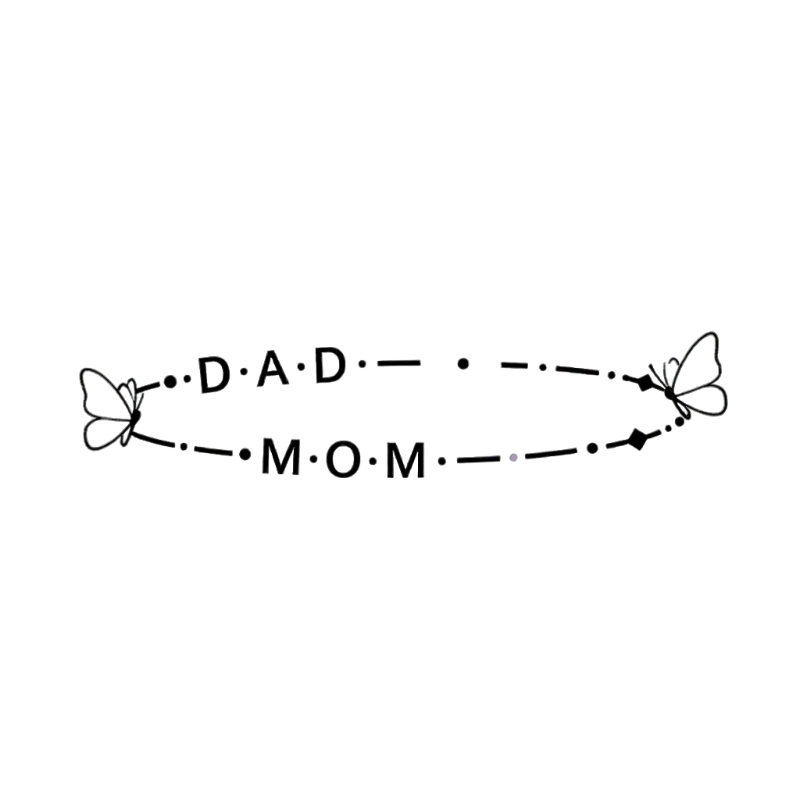
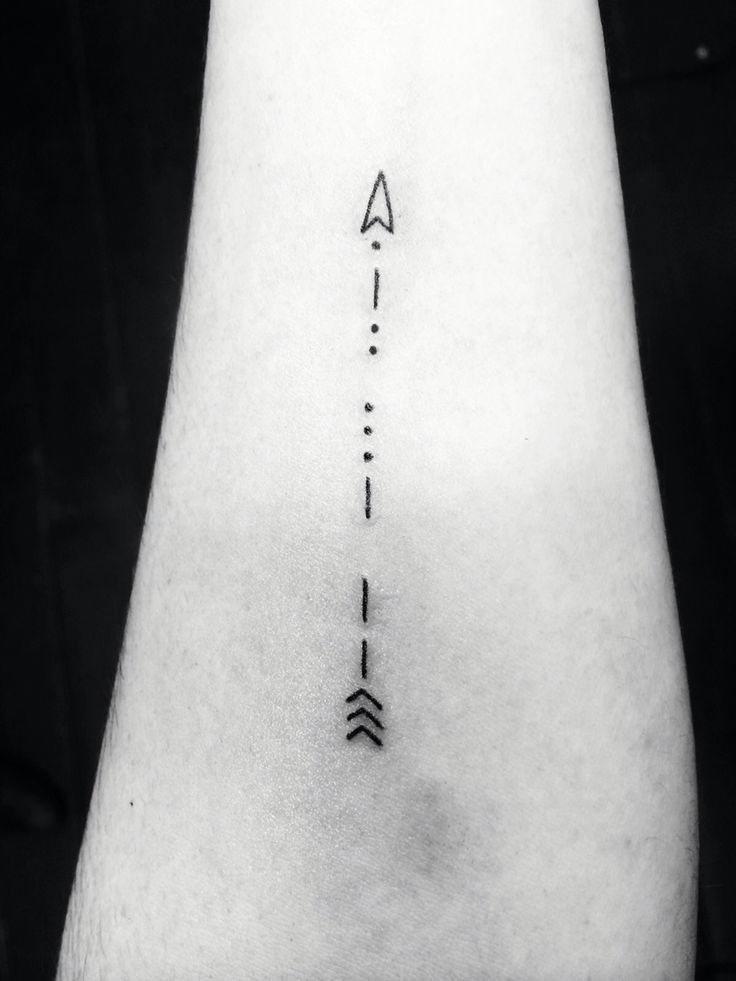
Morse code arrow tattoo More
Selection from Pinterest
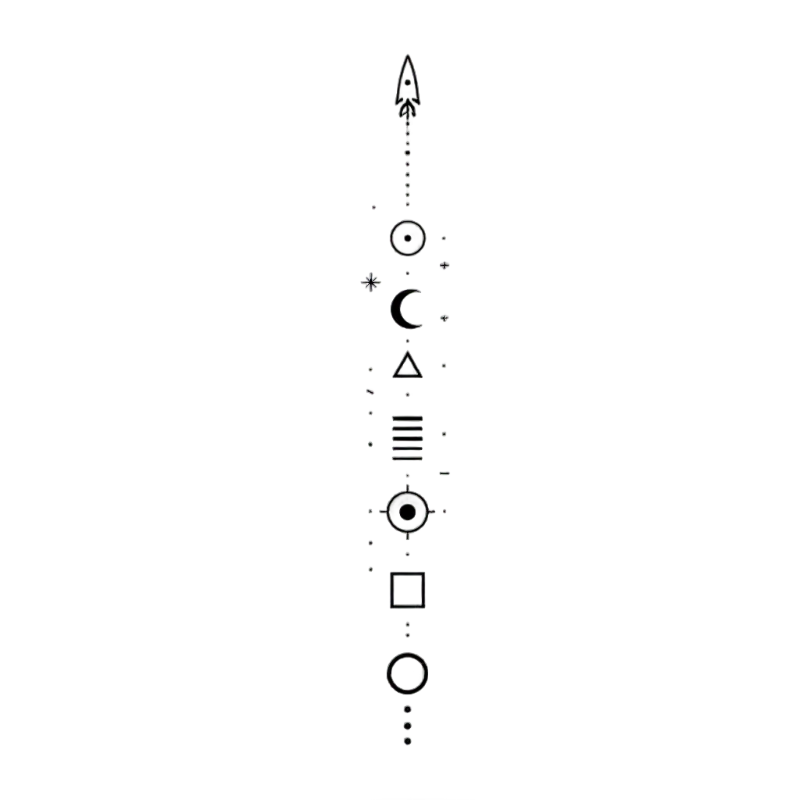
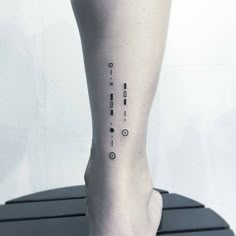
Discover 51 Morse Code Tattoo and Braille Tattoo Ideas | arrow tattoo, sister in morse code tattoo, strength morse code tattoo and more
Selection from Pinterest
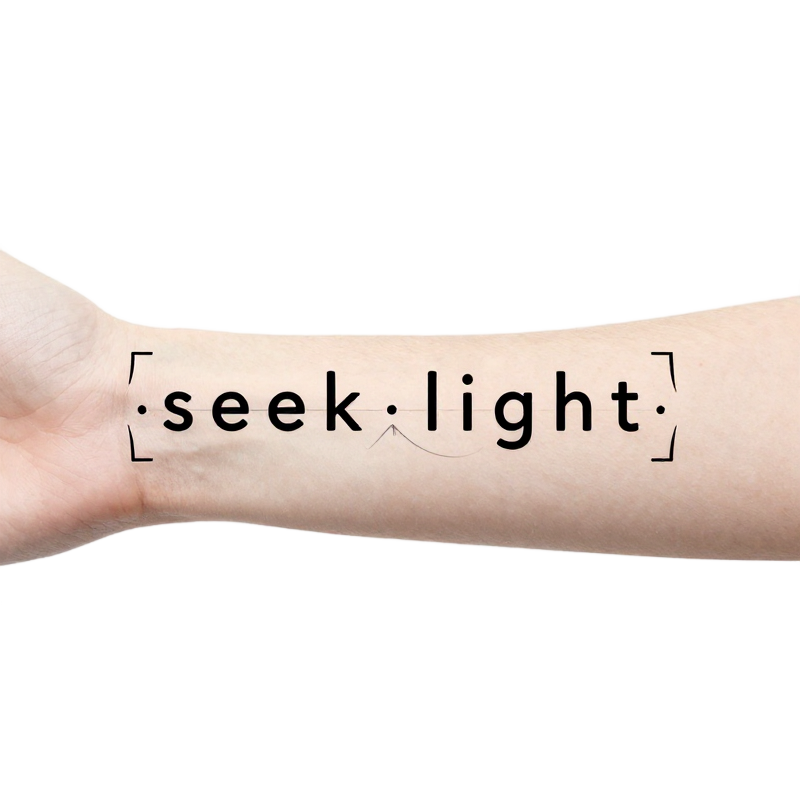
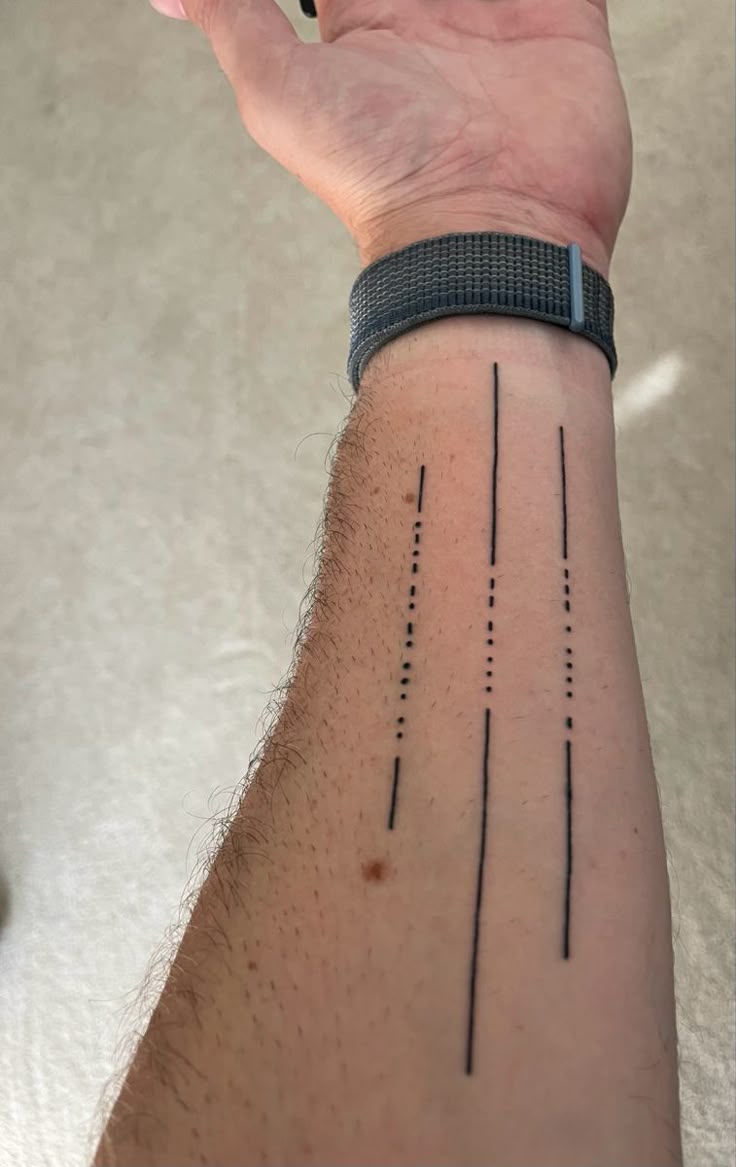
Morse code simple tattoo
Selection from Pinterest
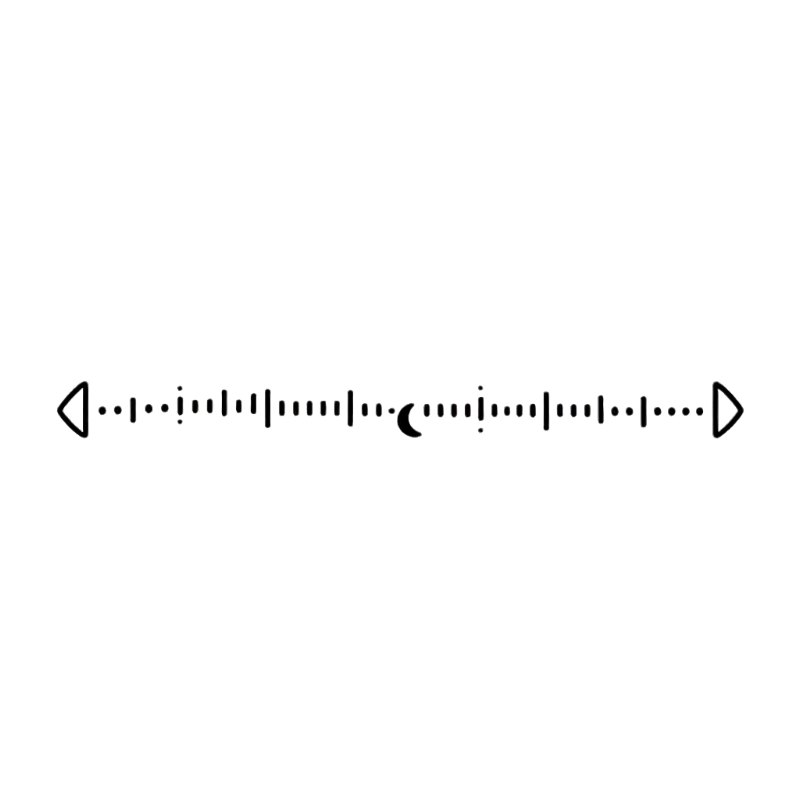
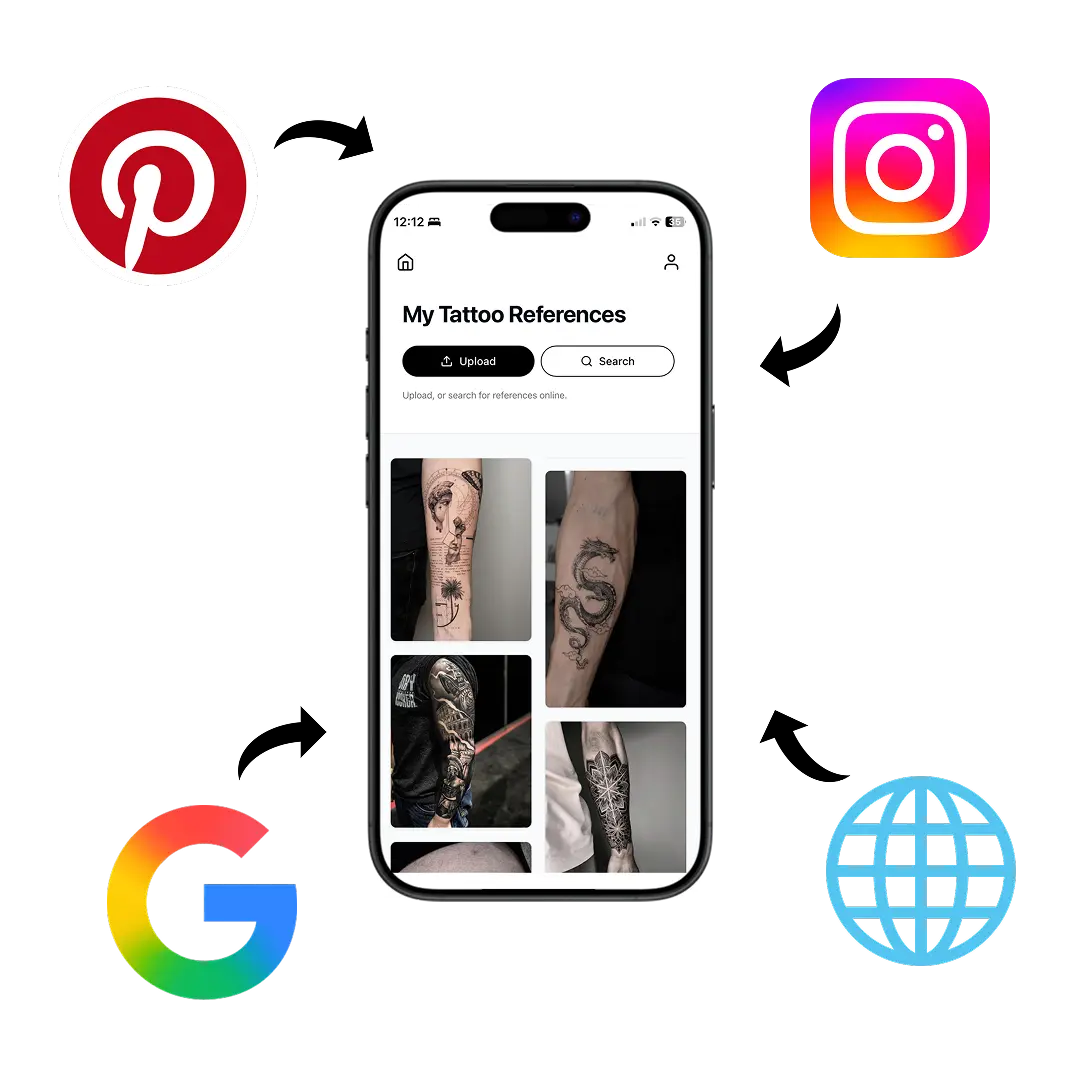
One App to Store All Your Tattoo Ideas
Store your tattoo ideas in one place and Virtual Try-On them on your body!


Avoid Regrets with 3D Virtual Try-On!
Do a 3D Virtual Try-On to see how your tattoo design looks like on your body before you get it tattooed. Powered by Tatship's AI and 3D technology.



Historical Origins and Evolution of Morse Tattoos
Morse code was developed in the early 1830s and 1840s by Samuel Morse and Alfred Vail as a method of communication for the telegraph. It played a crucial role in long-distance communication before the advent of modern technology. During World War II and other military conflicts, Morse code was extensively used for sending encrypted messages, making it a symbol of secrecy and strategic communication. The historical significance of Morse code adds a layer of depth to tattoos, as they can represent a connection to history, technology, and the evolution of communication.