Murugan Tattoo Ideas, Designs and Meaning
Meaning of Murugan Tattoos
- Murugan tattoos are inspired by Lord Murugan, a revered deity in Hinduism, particularly in South India and Sri Lanka.
- Lord Murugan, also known as Kartikeya, is the god of war and victory, symbolizing courage, strength, and wisdom.
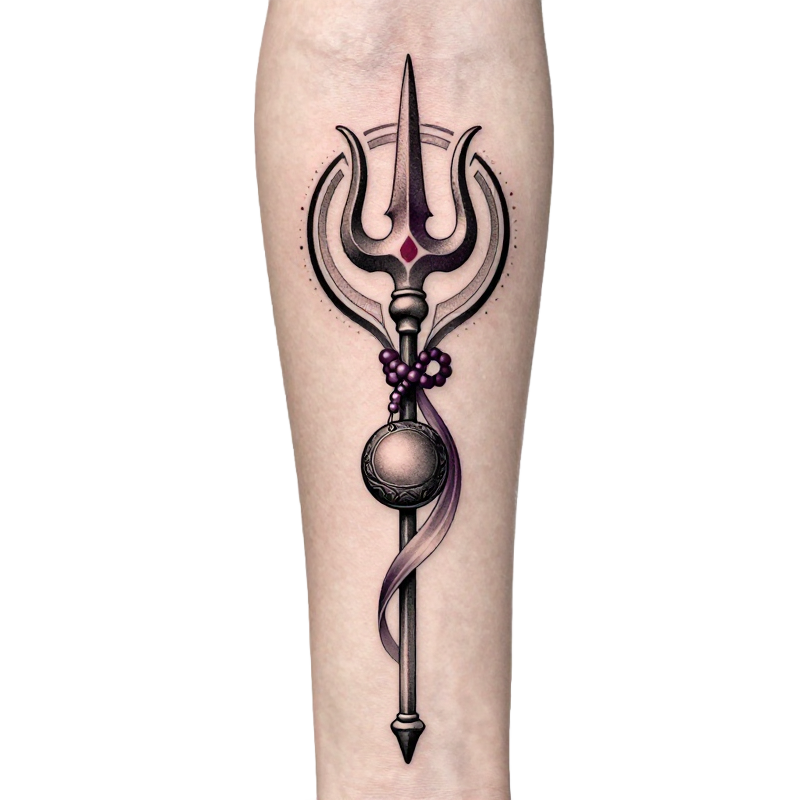
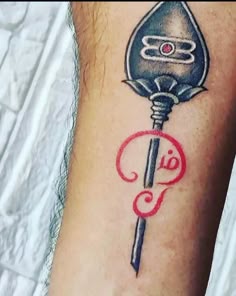
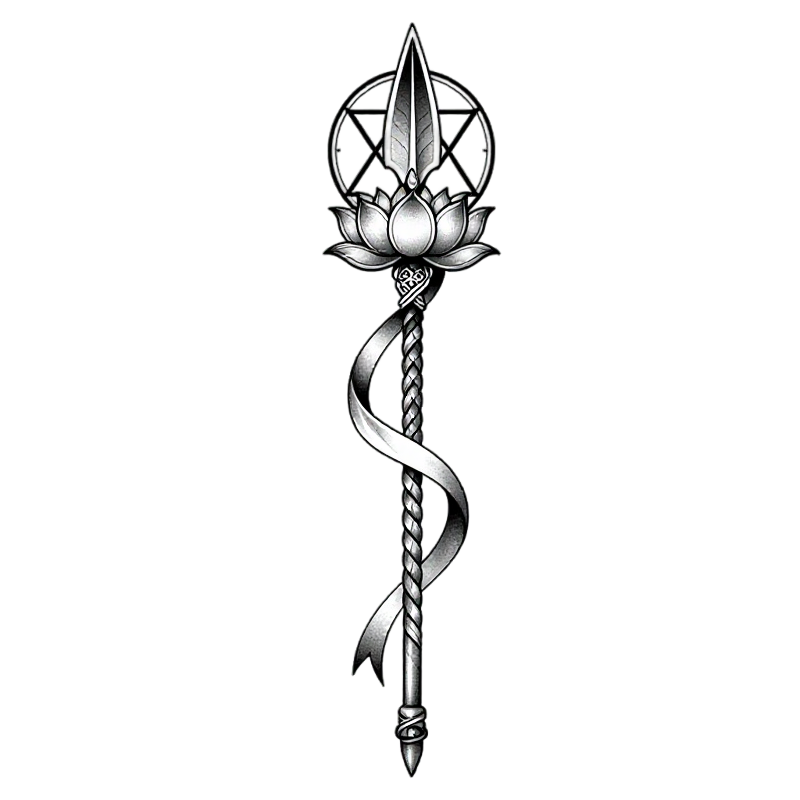
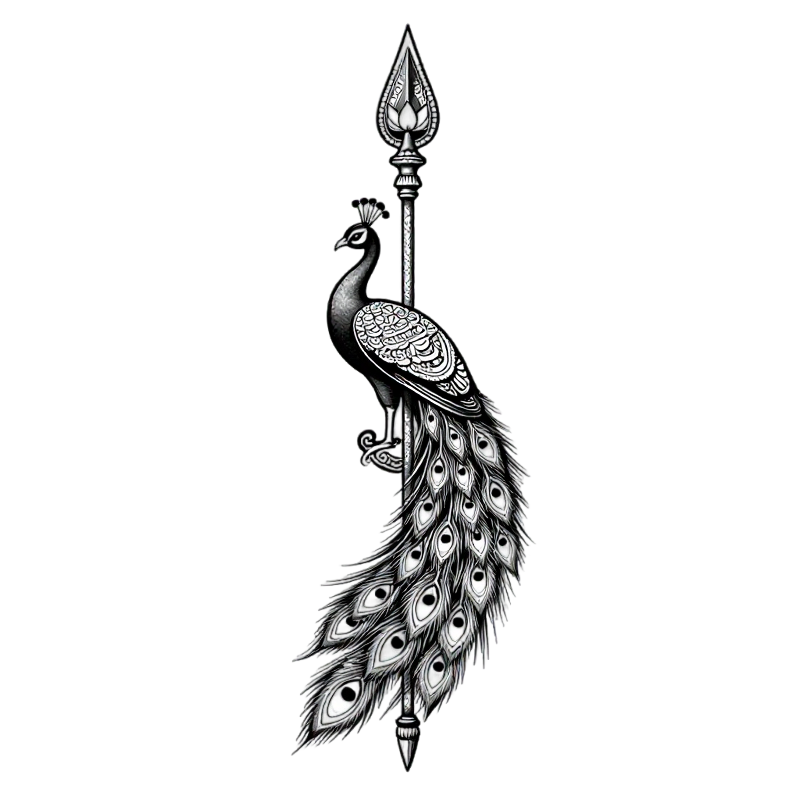
- These tattoos often depict Murugan with his iconic spear, the Vel, which represents divine knowledge and power.
- Murugan tattoos are popular among devotees who seek protection, guidance, and blessings from the deity.
- The cultural significance of Murugan tattoos is deeply rooted in Tamil traditions and festivals, such as Thaipusam, where devotees honor the deity.
- Historically, Murugan has been a central figure in Tamil literature and art, symbolizing the triumph of good over evil.
- Murugan tattoos can be designed in various styles, including traditional, tribal, or modern interpretations, often incorporating vibrant colors.
- While there is no specific gender association, these tattoos are commonly seen on the arms, chest, or back, allowing for detailed and expansive designs.
- The tattoo can also serve as a personal reminder of one's spiritual journey and commitment to overcoming life's challenges.
- Murugan tattoos may include additional elements like peacocks, which are the deity's vehicle, symbolizing beauty and grace.
766 Tattoo Ideas
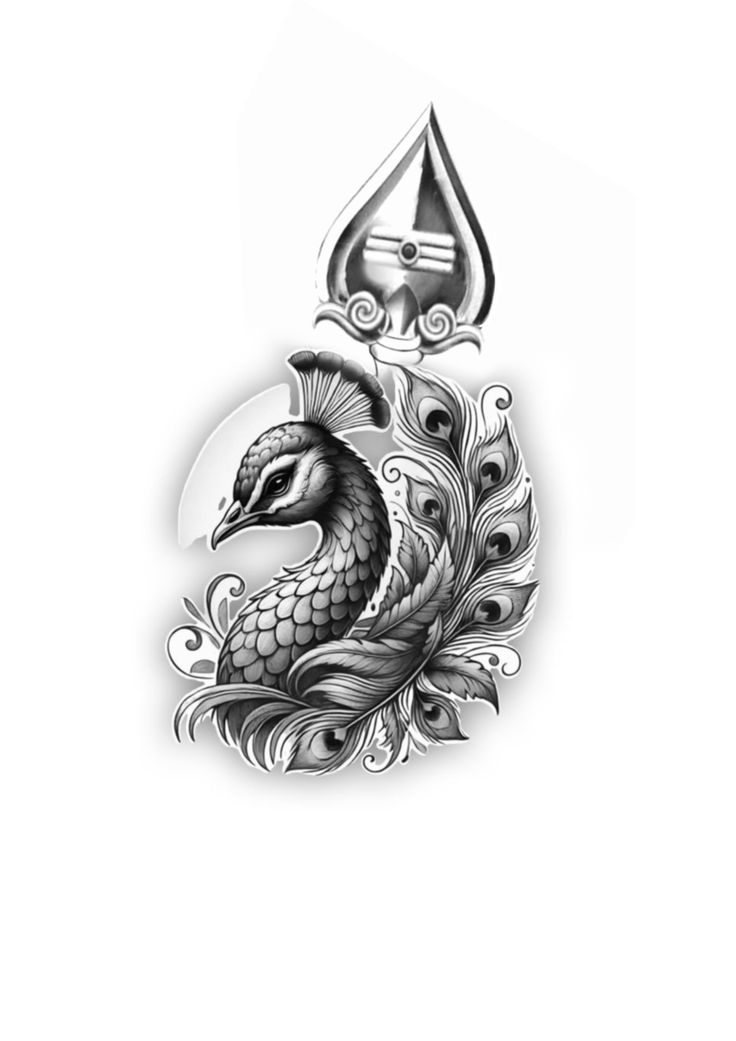

Pin by Krish Venkata on Sleeve Tattoos in 2025 | Murugan vel tattoo design, Lord murugan
Selection from Pinterest
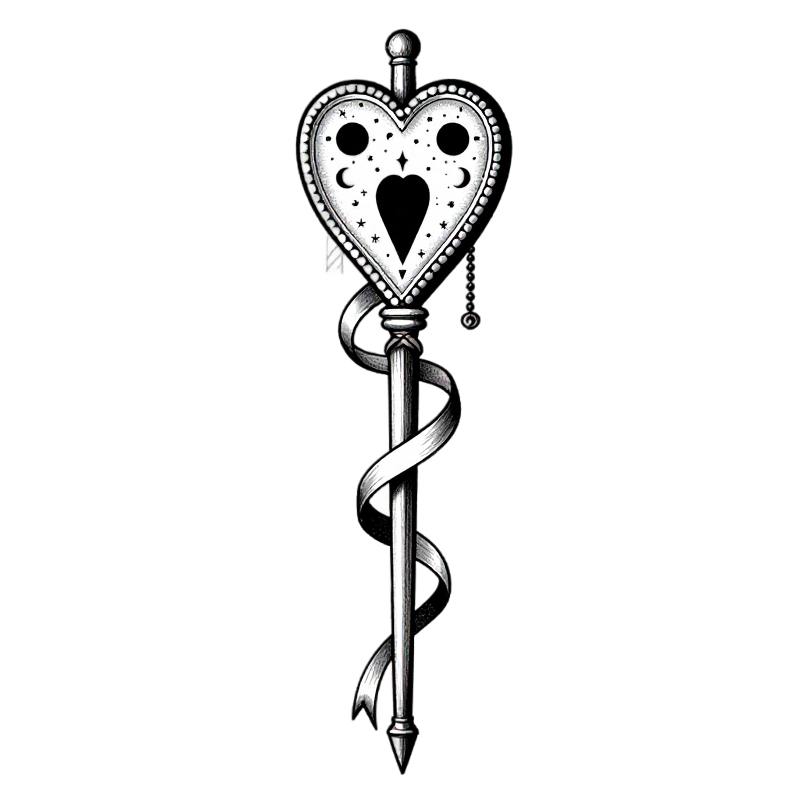

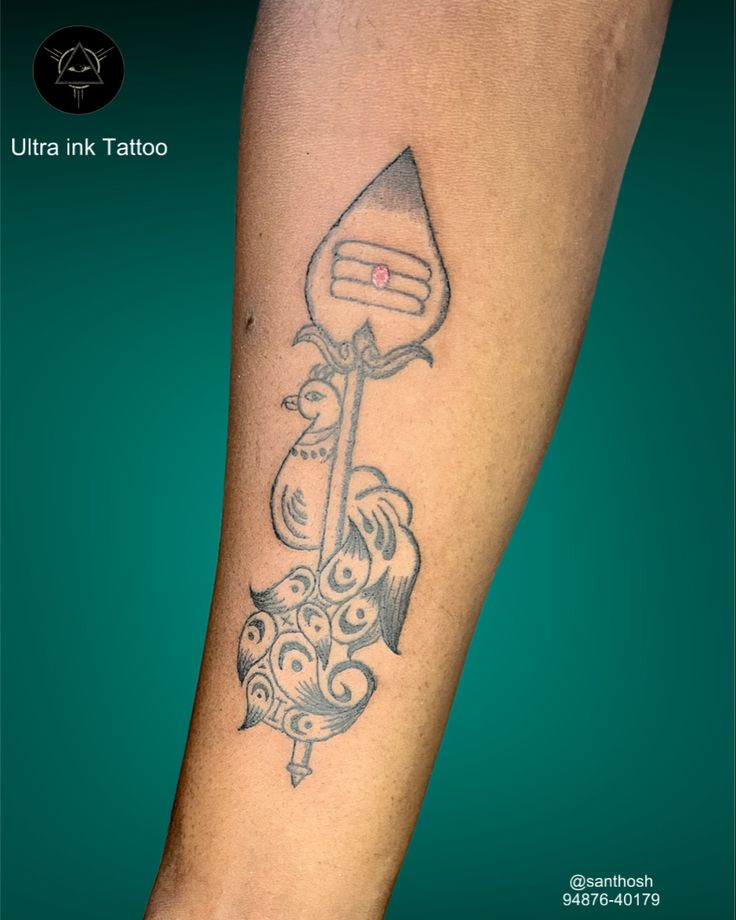
Murugan vel Tattoo ( 9487640179 ) location: salem , Tamilnadu
Selection from Pinterest
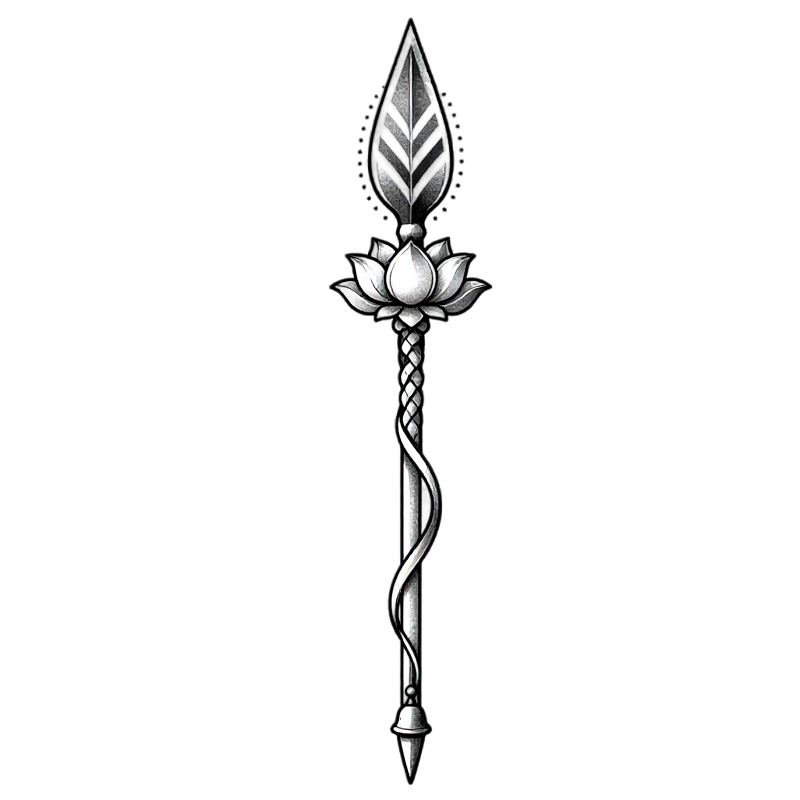
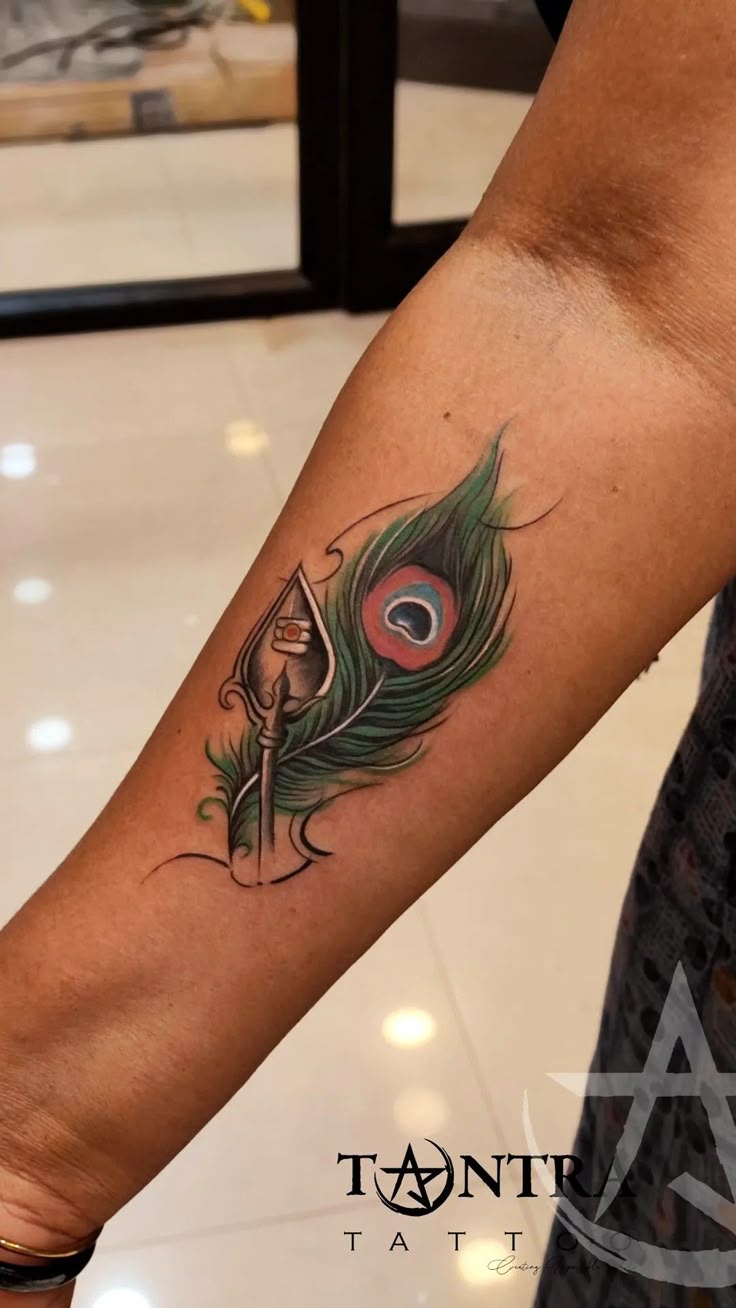
Murugar vel tattoo with peacock feather tattoo
Selection from Pinterest
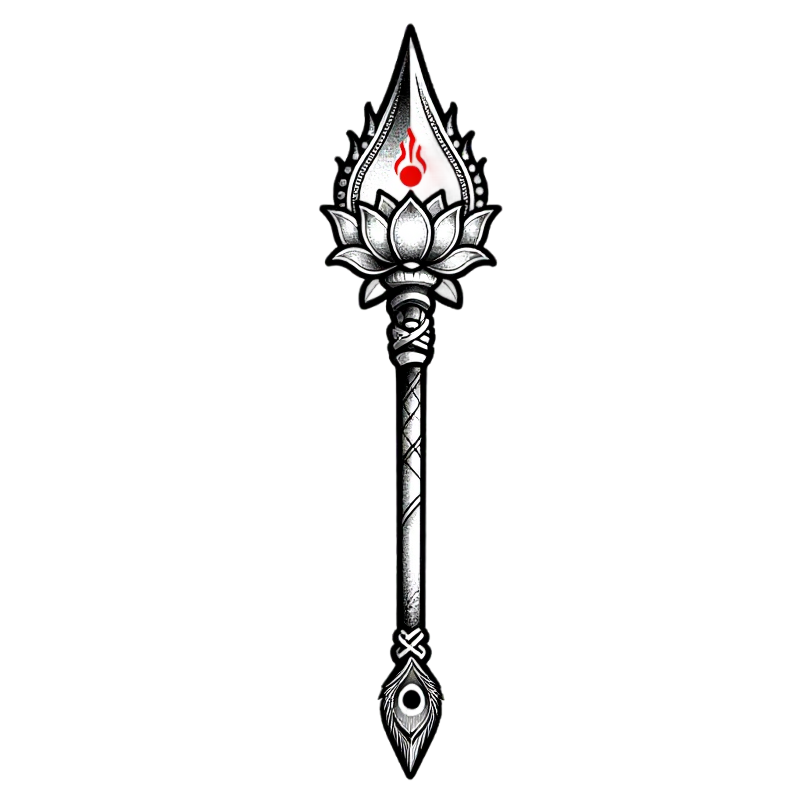
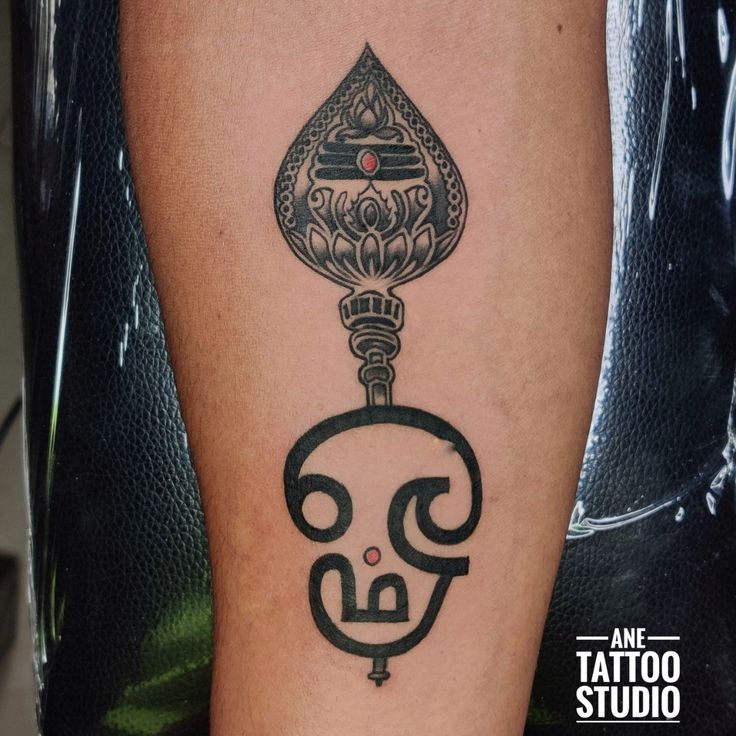
Ane Tattoo Studio
Selection from Pinterest
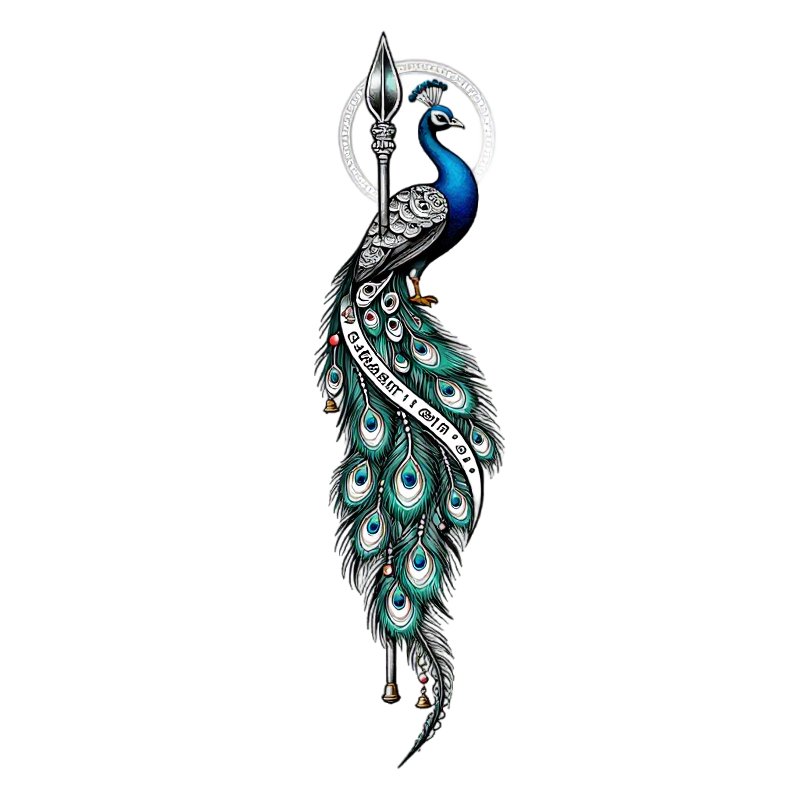
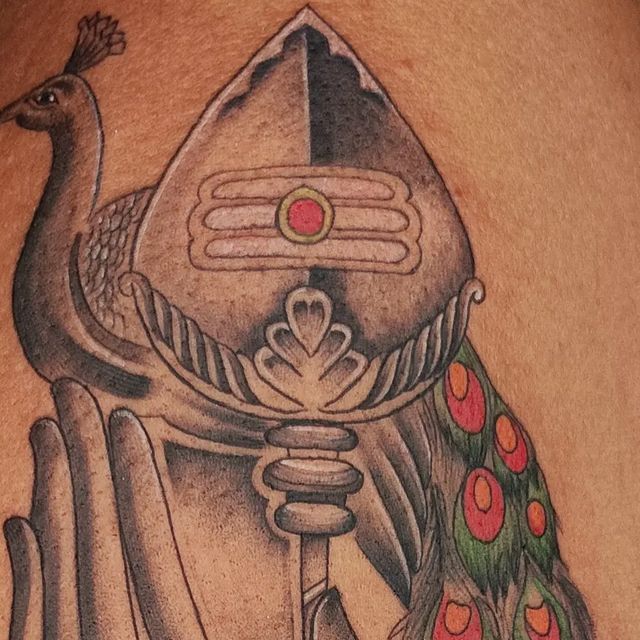
krishna on Instagram: "Murugan vel tattoo #trending #murugan" | Lord murugan vel tattoo, Peacock tattoo, Belle tattoo
Selection from Pinterest
17 Tattoo ideas | shiva tattoo design, hand tattoos, om tattoo design
Selection from Pinterest
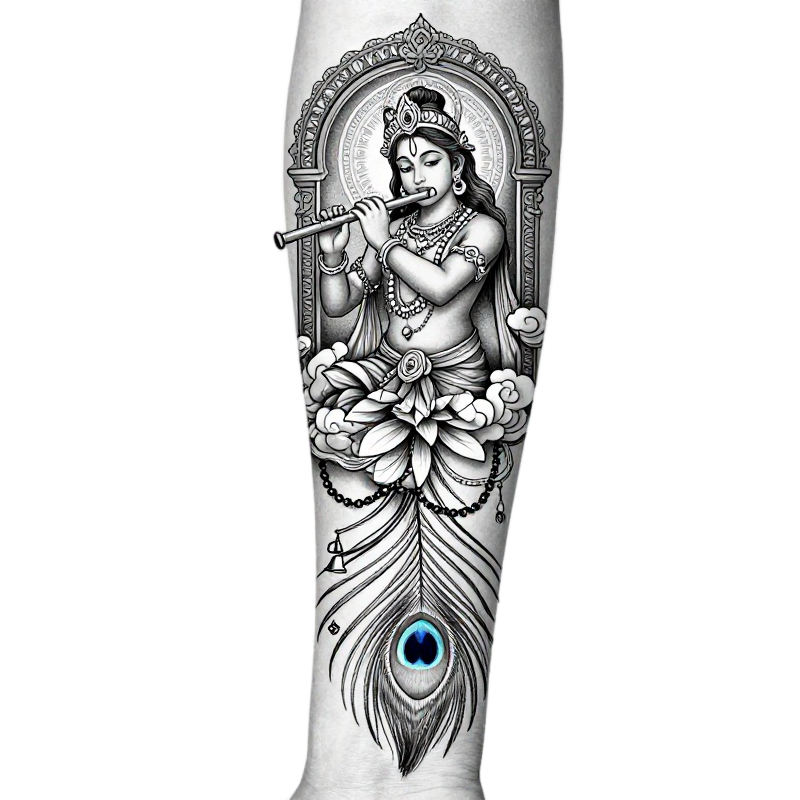
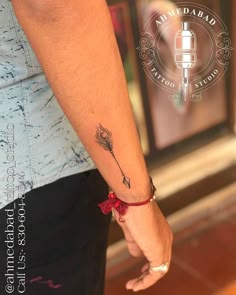
17 Tattoo ideas | shiva tattoo design, hand tattoos, om tattoo design
Selection from Pinterest
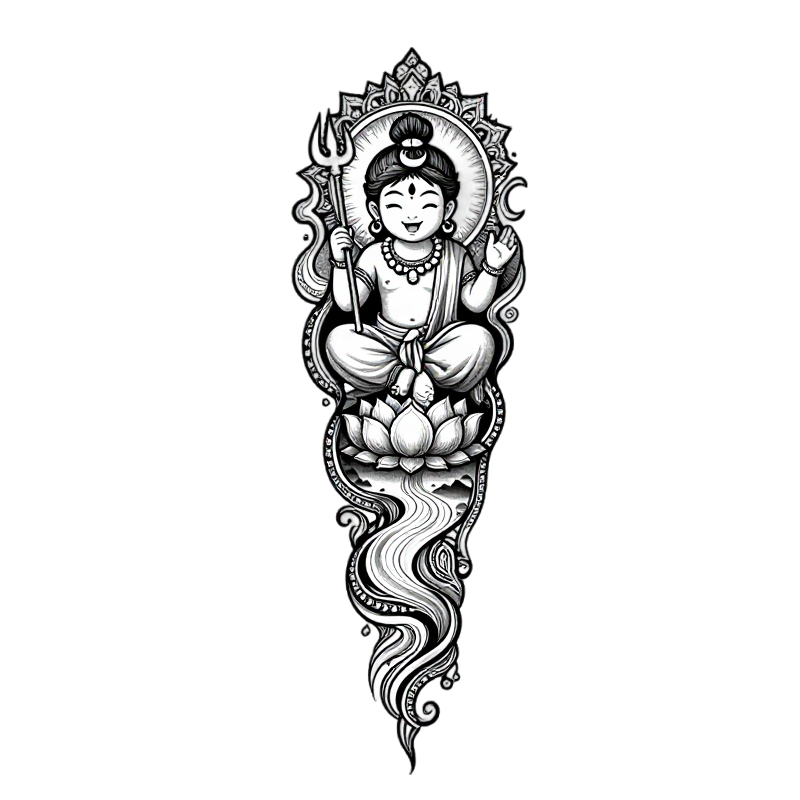
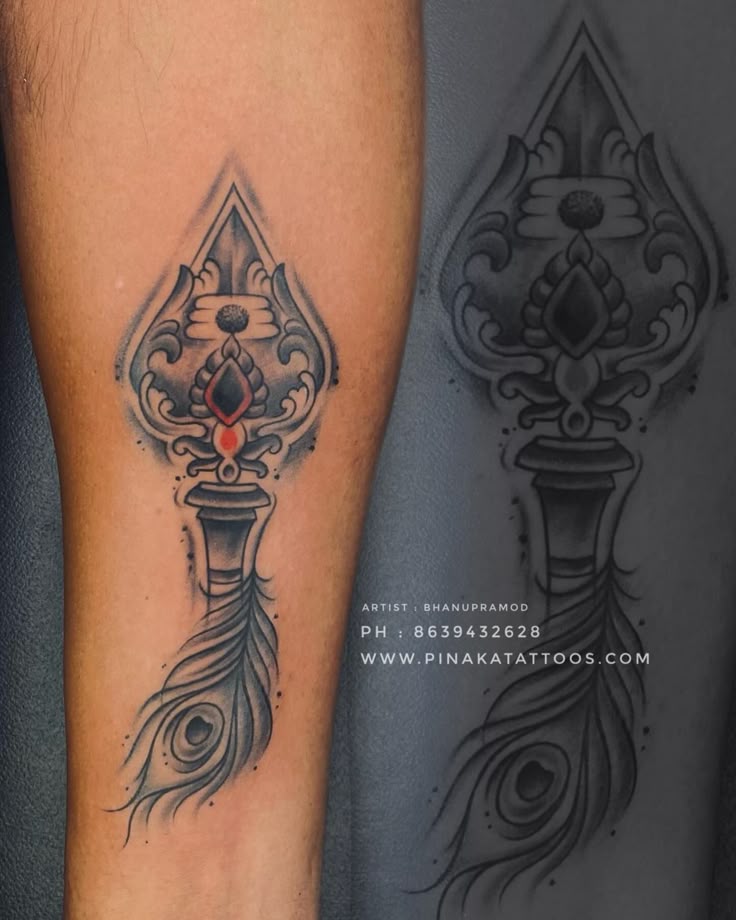
☎️ : 8639432628 (Murugan vel tattoo) . . Dm for appointments @pinakatattoostudio . . @anand_luvslavu @anand_loves_lavanya . . #ayyappaswami #palanimurugantemple #lordayyappa #ayyappasevasangam #hindutemple #omsaravanabhava #sabarimalatemple #vetrivel ...
Selection from Pinterest
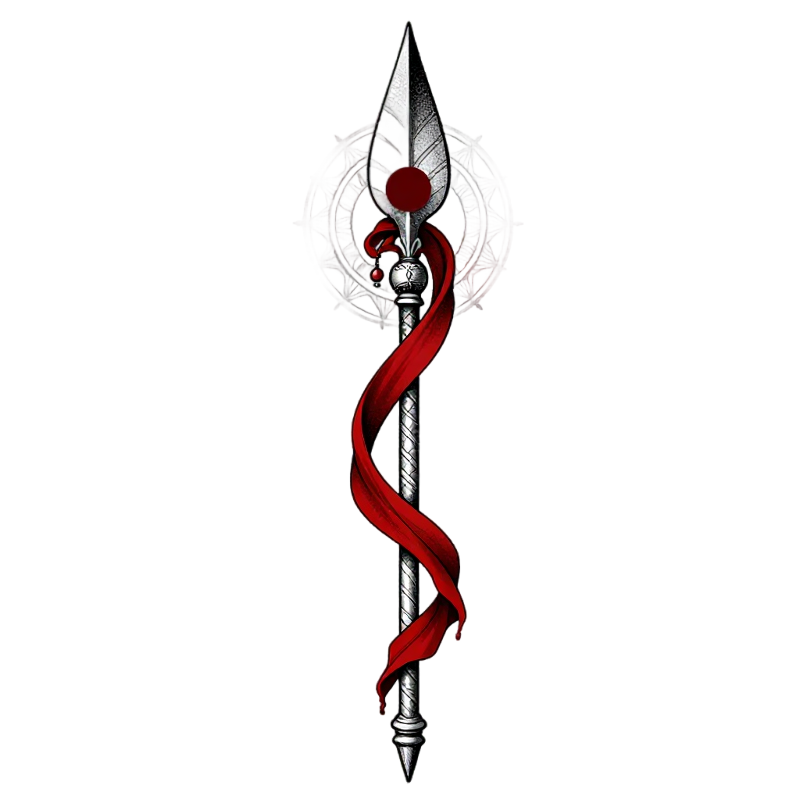
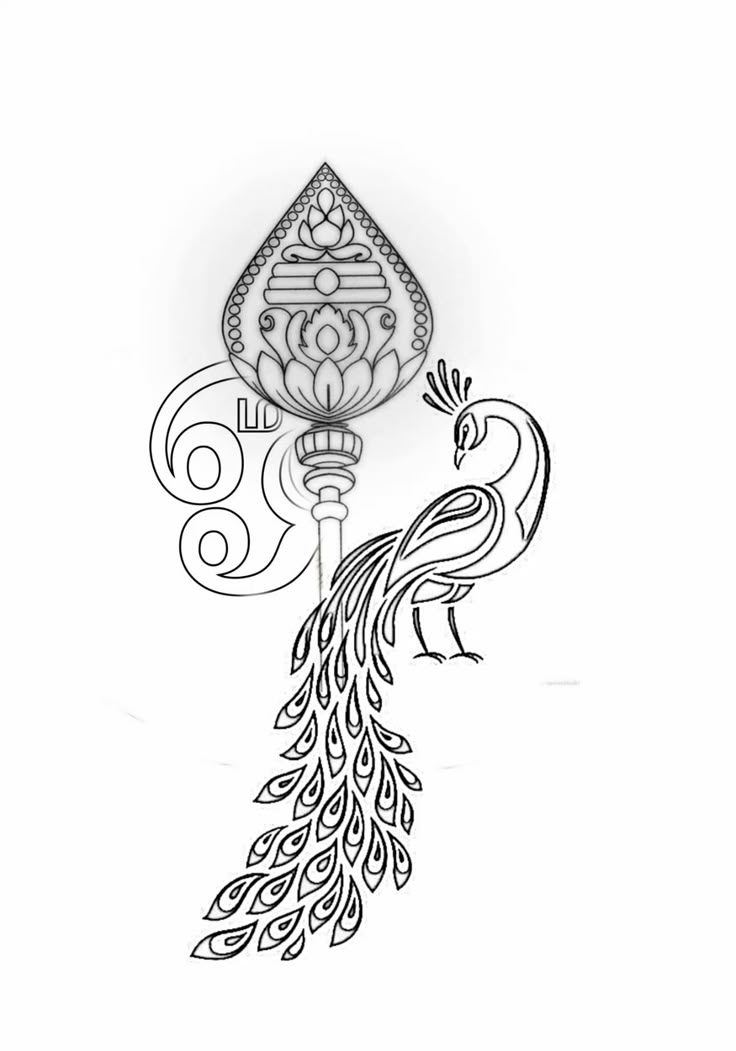
NEW Murugan Tattoo stencil
Selection from Pinterest
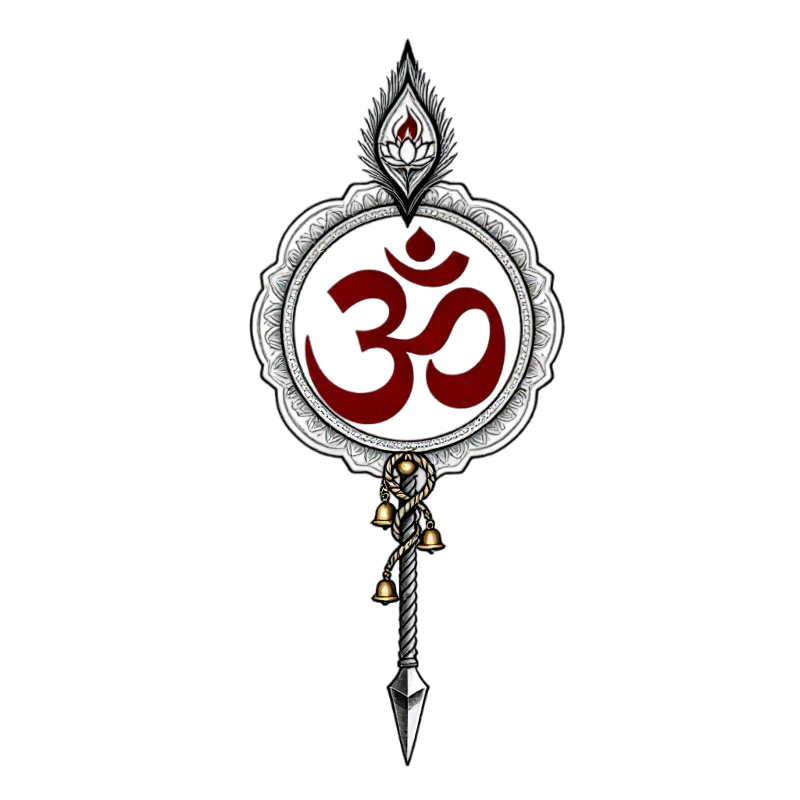
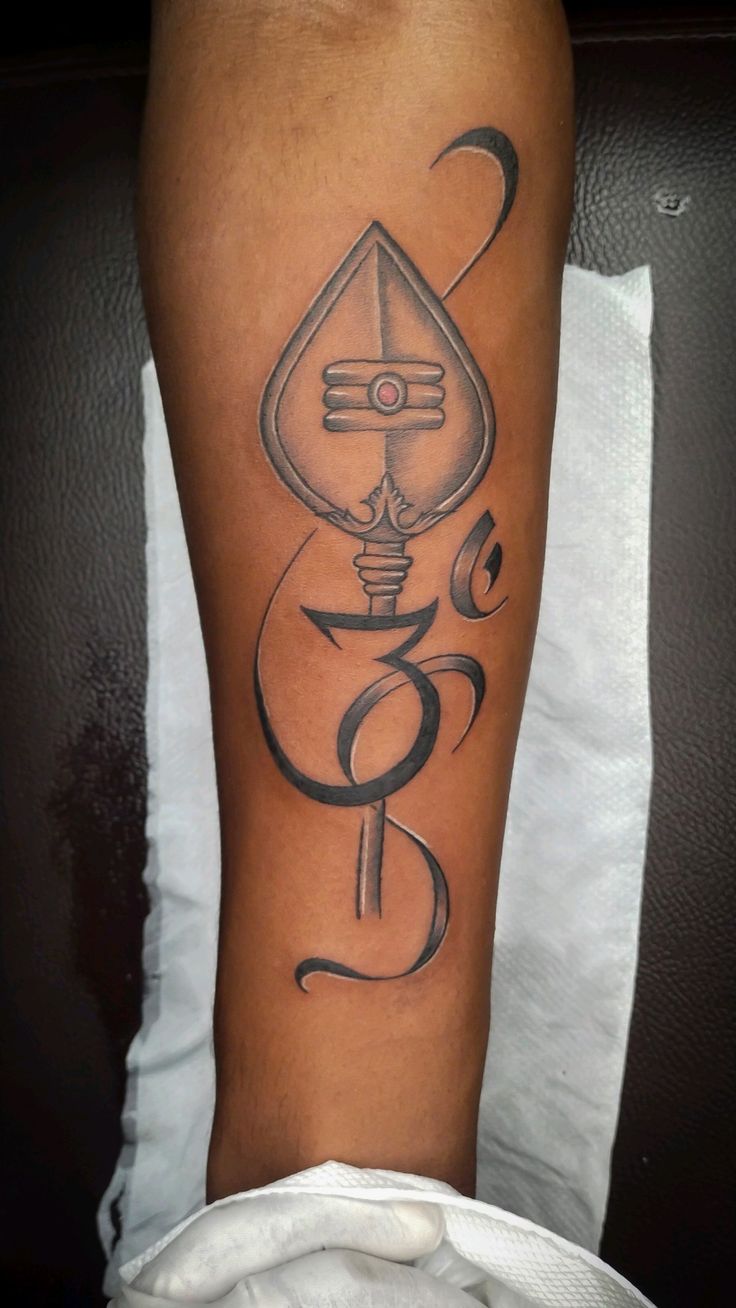
murugan vel Tattoo
Selection from Pinterest
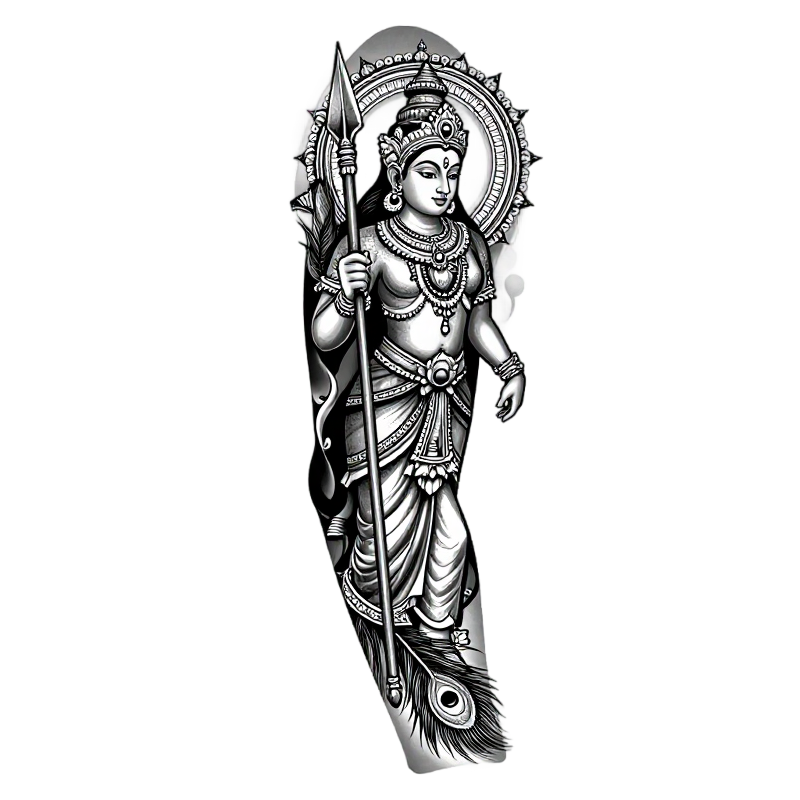
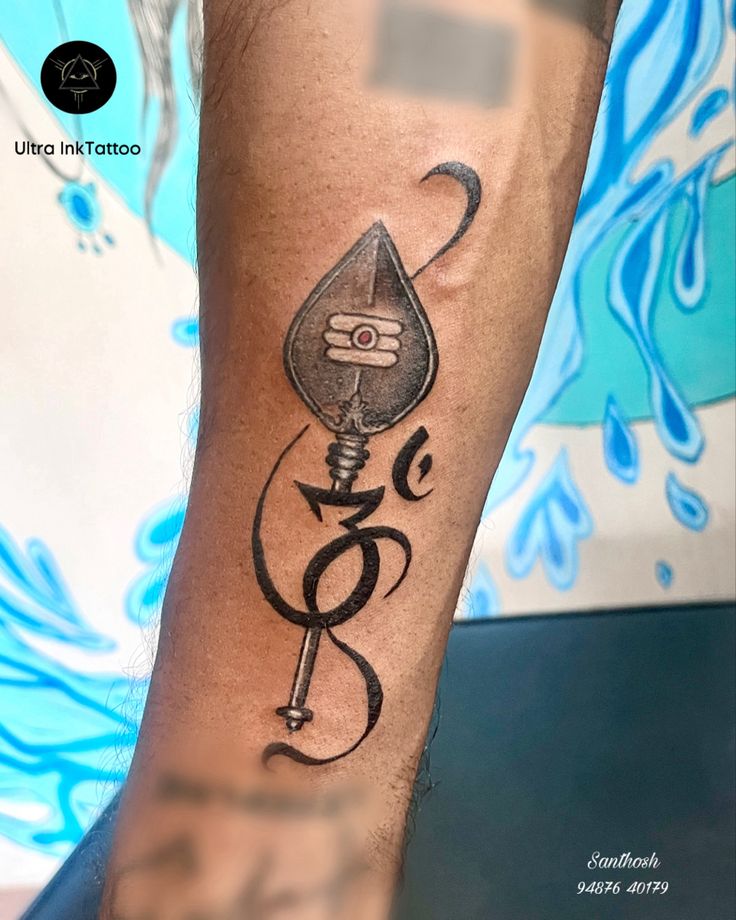
Murugan vel Tattoo…..948764019 📍salem,tamilnadu
Selection from Pinterest
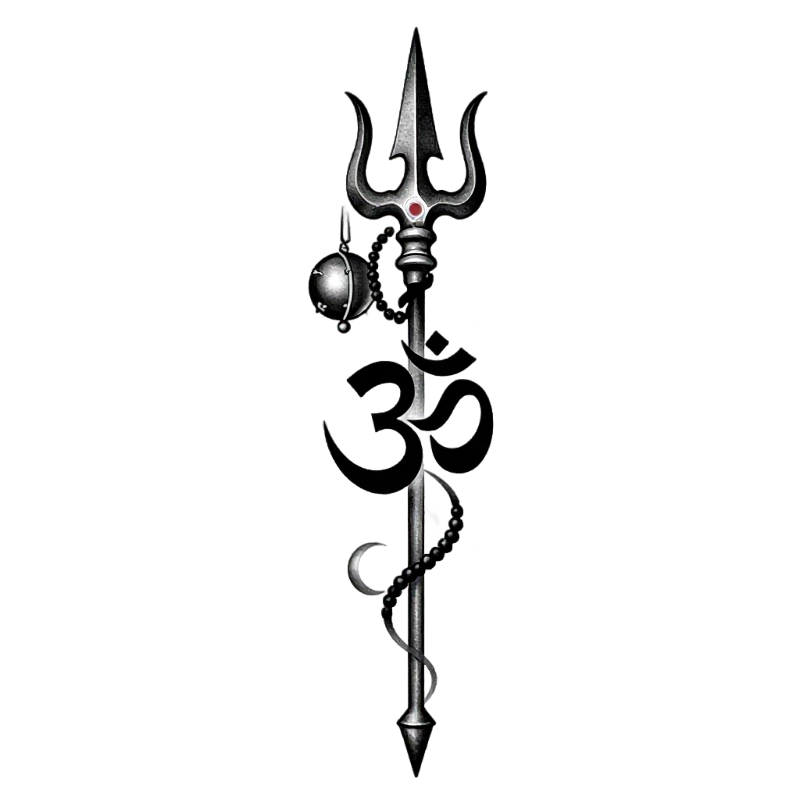
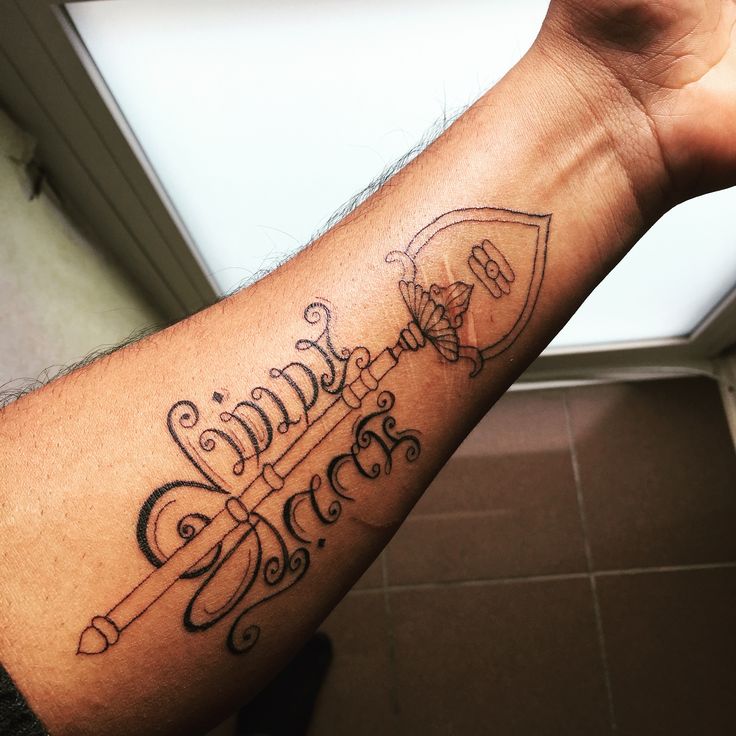
Pin von Dwaraka Rao auf tattoo | Unterarm tattoo frauen, Tattoo frauen, Unterarm tattoo
Selection from Pinterest
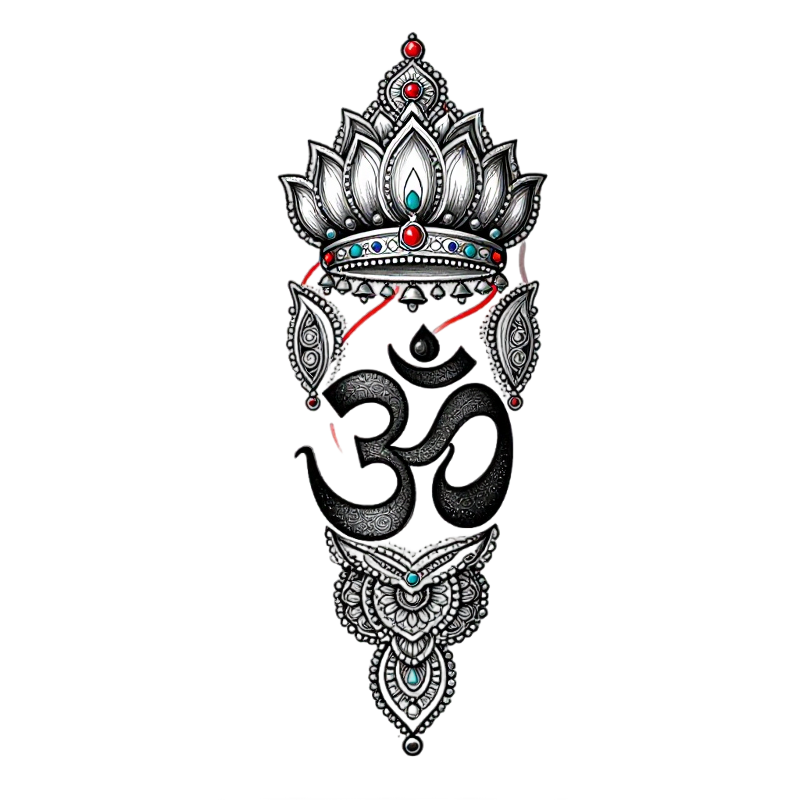
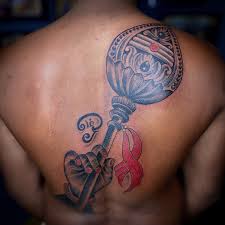
Murugan Vel Tattoo🦚🙏🏻
p
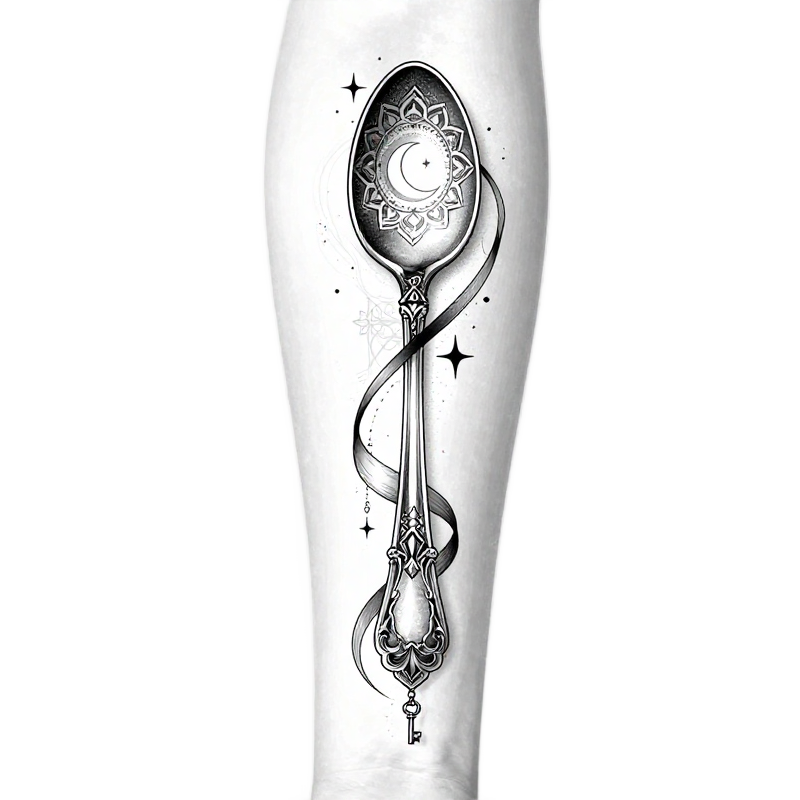
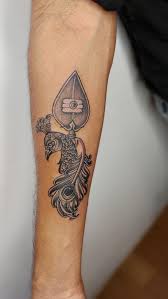
The Murugan Vel and Peacock tattoo represents divine strength and grace, a perfect blend of power and beauty., 📞 +91 9916290356 | +91 866-0678303, 📍 Bangalore & Chennai , #tattoo #godtattoo #sacred ...
reel
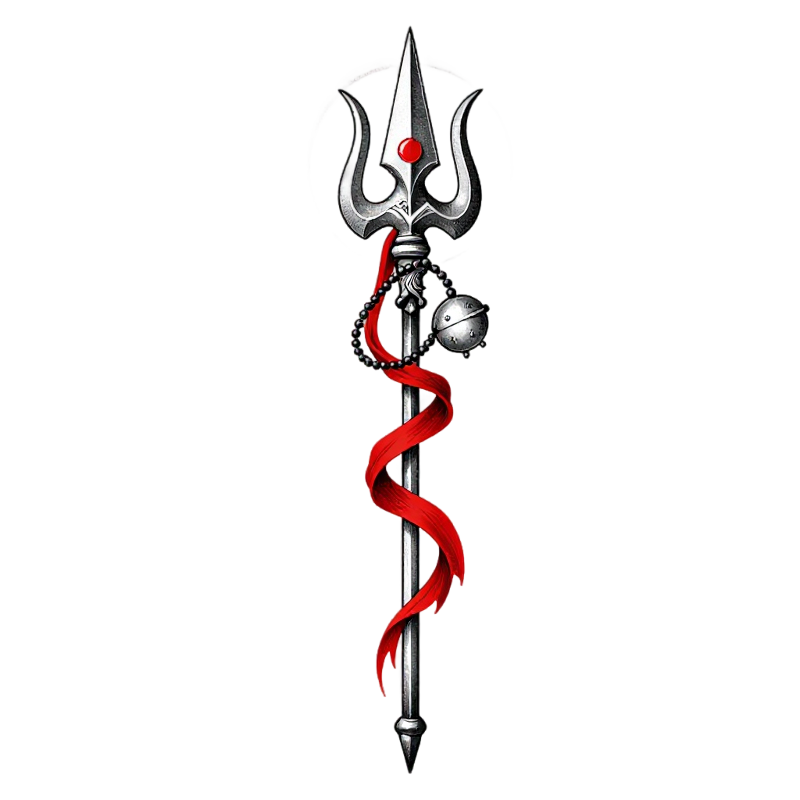
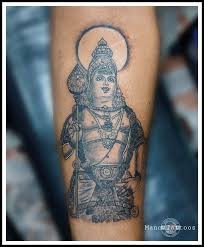
Murugan 🕉 tattoo work done by @mano_tattoos96 #tattoo #tattoos #ink #inked #art #tattooartist #tattooart #tattooed #tattoolife #tattooideas #love #artist #blackwork #instagood #tattoodesign #tatuagem #tattooing #tattooist #blackandgreytattoo ...
p
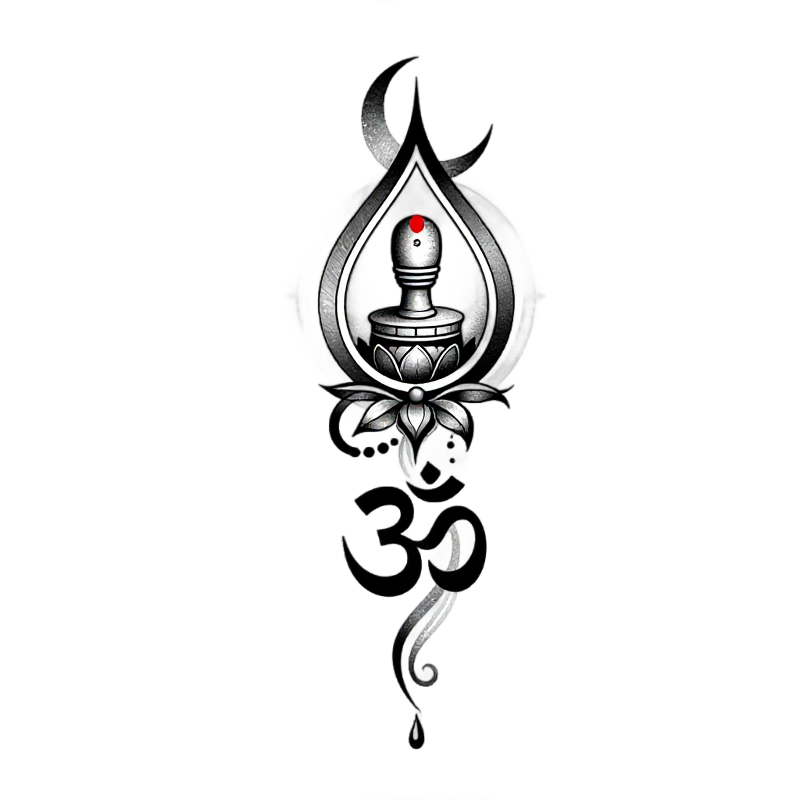
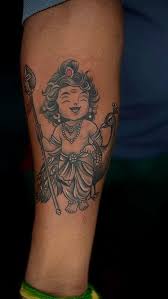
Murugan VEL Tattoo🙏🏻🦚❤️
p
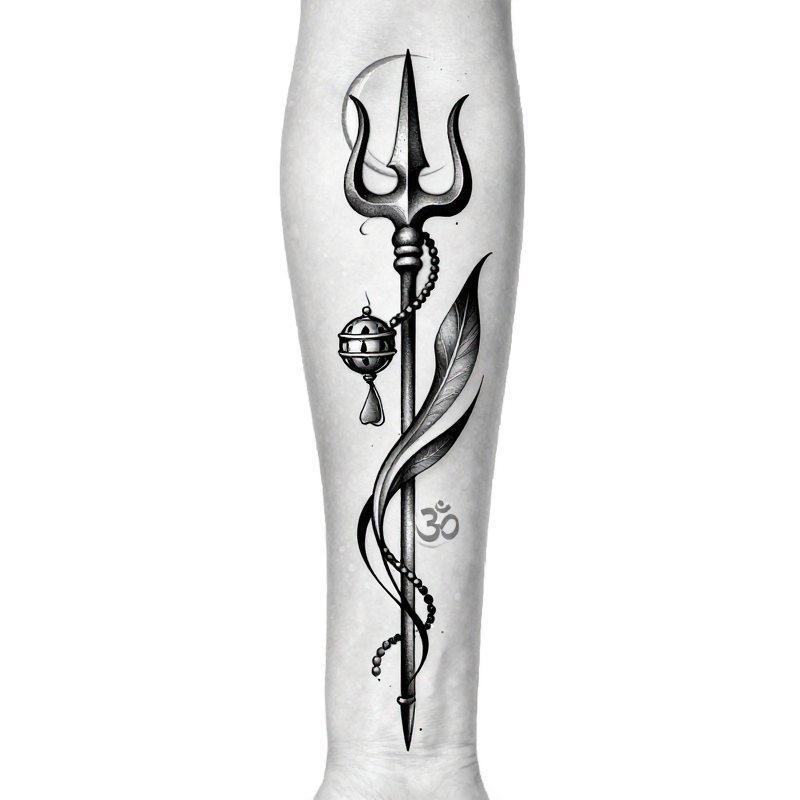
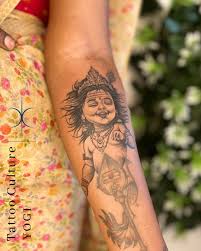
Murugan tattoo” Tattoo done by @artist_yogi_07_ (@tattoo_culture_coimbatore) Tattoo and Academy studio.📍 Edayarpalayam Thadagam Road, Near Signal Coimbatore - 641025. Book your appointments : (97901 18467) #tattooculturecoimbatore#murugan ...
p
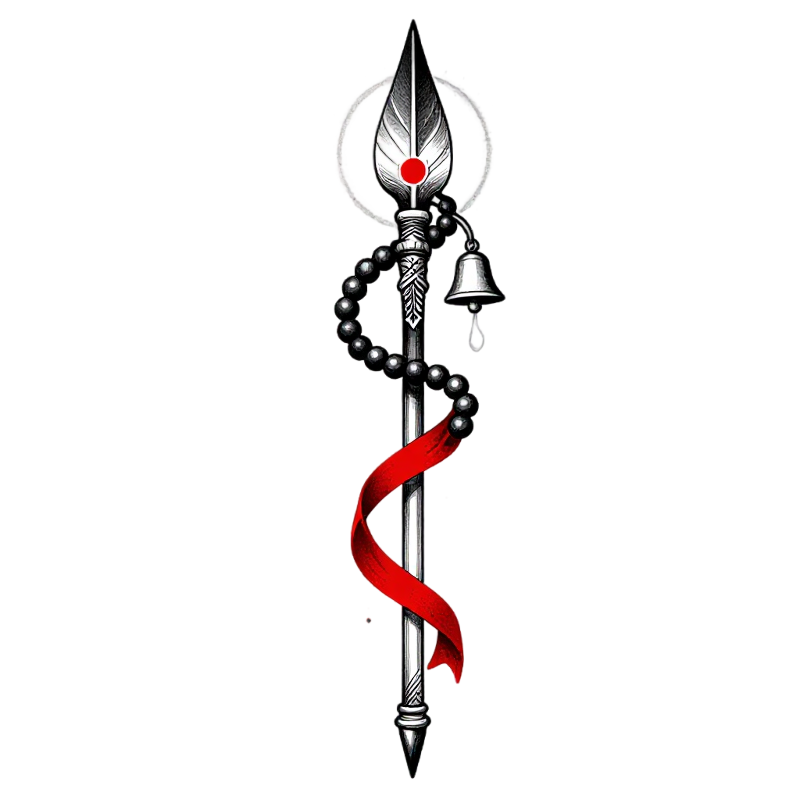
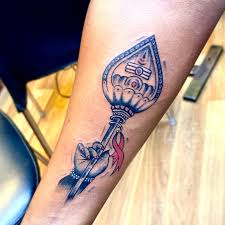
Murugan Vel Tattoo🙏🏻❤️🦚
p
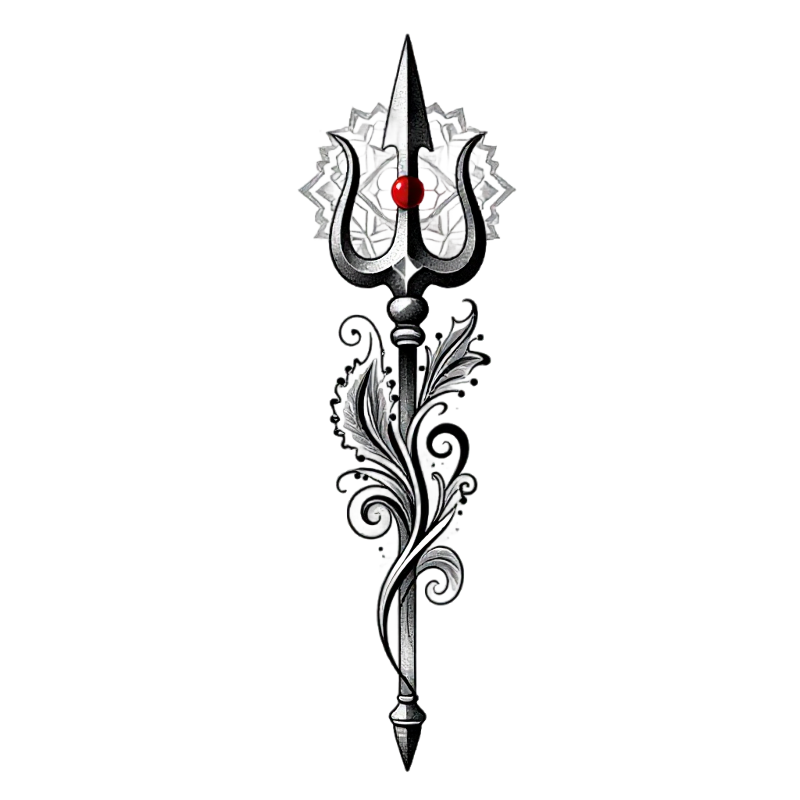
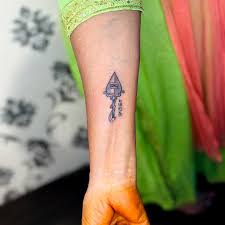
Lord Murugan Vel #முருகா 🩵 @tattoochennai #tattooshop #tattoostudio #tattoo #inkedgirls #ink #murugansongs #murugantattoo #veltattoodesign #muruganthunai🙏❤️🙏🦚⚜️👉✨💕💞💯📿 #tattootime
p
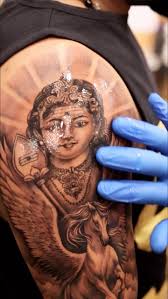
God Muruga tattoo., ., ., ., ., ., ., ., ., #muruga #murugatattoo #godtattoo #hourse #hoursetattoo #tatt #tattoo #trending #trendingreels #viral #viralvideos #alienstattoo #mayantattoo #bangalore ...
reel
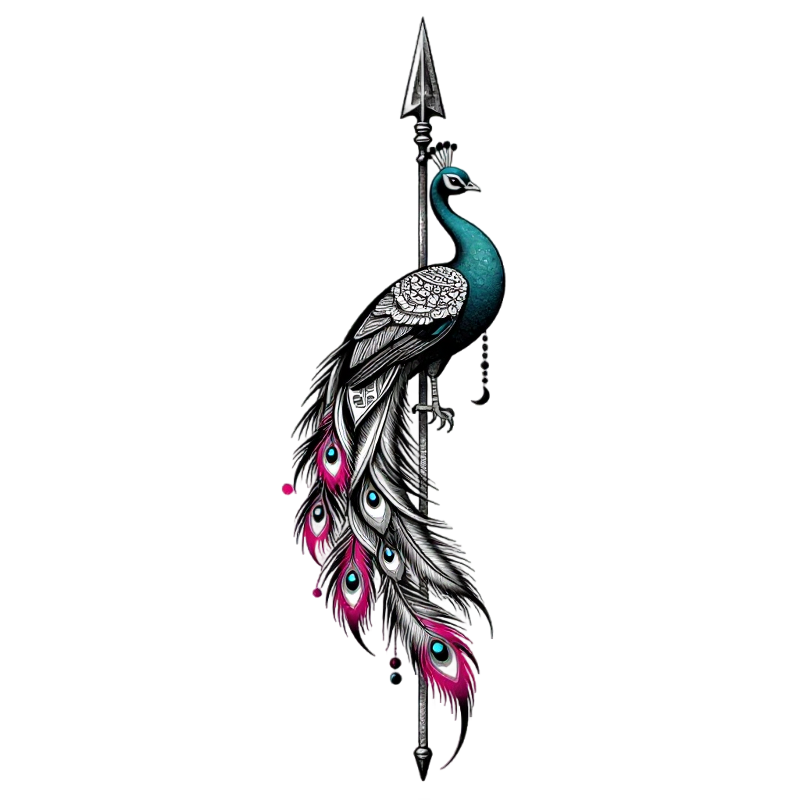
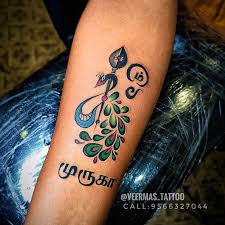
✨Muruga 🦚💞🌏 done ✓ @veermas_tattoo ..call for appointment:9566327044📱 Location: Dindigul & Palani 📍 #tattoo #tattooart #tattooideas #tattooartist #tattooist #tattoos #tattoodesign #muruga #murugansongs #muruganvel #muruganveltattoo #palani ...
p
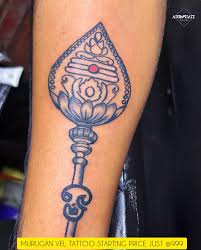
MURUGAN VEL TATTOO STARTING PRICE JUST@ 999 Any details: 9363661818☎️ 📍 Atomstatz studio salem Near, 301, omalur main road, henry wolsey, Silamboli, Salem, Tamil Nadu 636007 #muruga #murugantattoo #tattoomodel #muruganthunai🙏 #murudeshwartemple ...
p
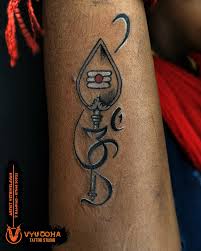
Murugan Vel Tattoo* design on the hand, featuring Best Vyuooha Tattoo Studio in Ramanathapuram. 🔱 *Murugan Vel Tattoo* 🔱 Invoke the strength and blessings of Lord Murugan with a beautifully detailed *Vel
p
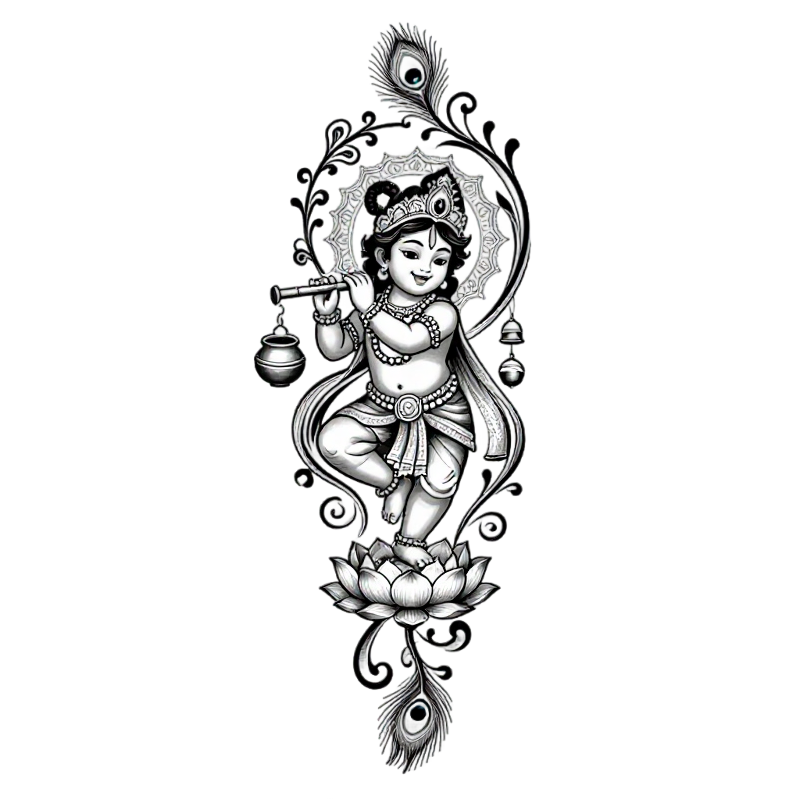
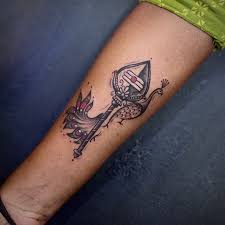
Murugan Vel Tattoo🙏🏻🦚❤️
p
One App to Store All Your Tattoo Ideas
Store your tattoo ideas in one place and Virtual Try-On them on your body!


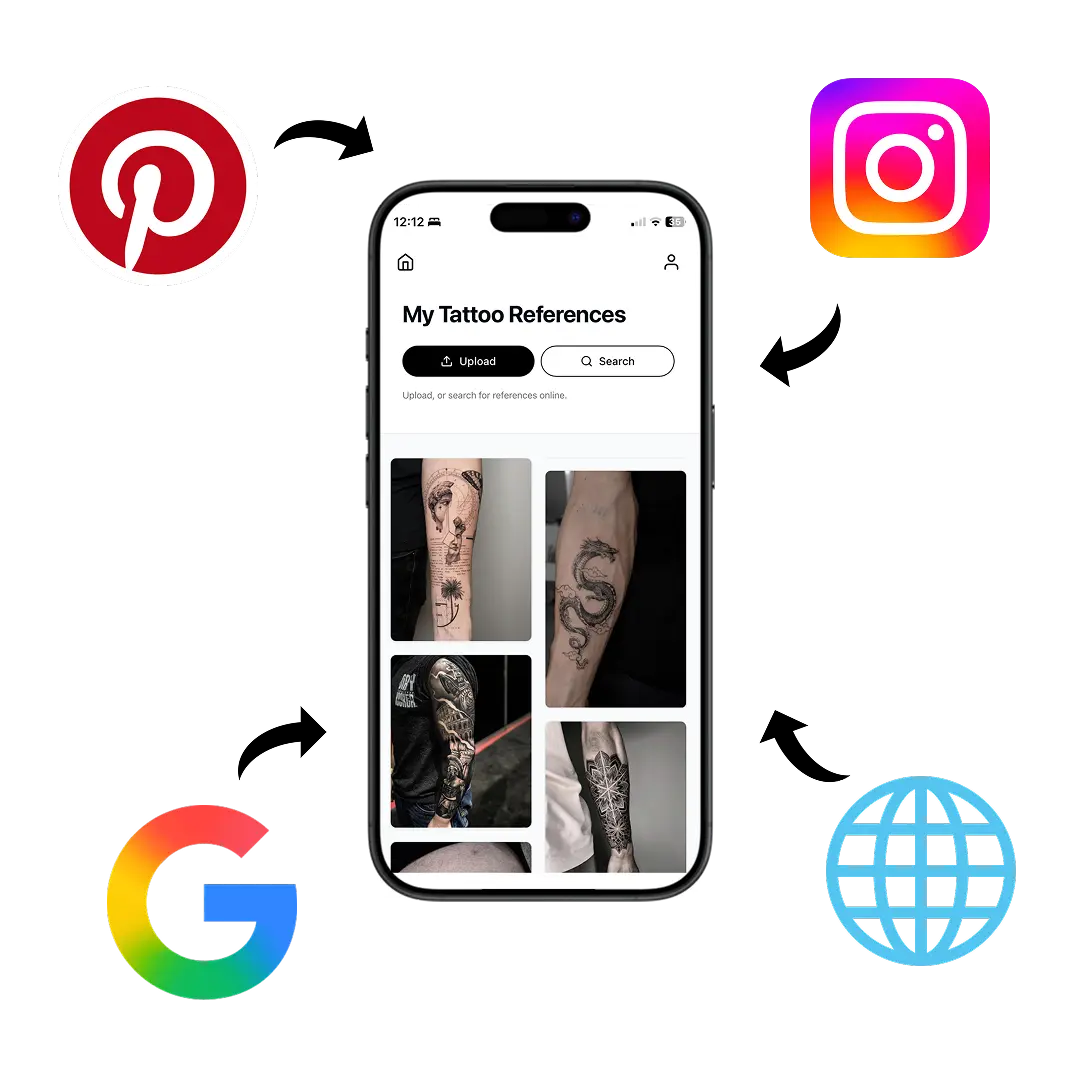
Avoid Regrets with 3D Virtual Try-On!
Do a 3D Virtual Try-On to see how your tattoo design looks like on your body before you get it tattooed. Powered by Tatship's AI and 3D technology.



Historical Origins and Evolution of Murugan Tattoos
Historically, Lord Murugan has been a central figure in Hindu mythology and religious practices, particularly in South India and among Tamil communities worldwide. He is celebrated in numerous festivals, such as Thaipusam, which marks his victory over the demon Surapadman. The worship of Murugan dates back to ancient times, with references found in early Tamil literature and temple carvings. The historical significance of Murugan as a symbol of divine power and protection has made him a popular subject for tattoos, serving as a permanent reminder of one's faith and cultural heritage.