Olive branch Tattoo Ideas, Designs and Meaning
Meaning of Olive branch Tattoos
- The olive branch tattoo is commonly associated with peace and harmony, symbolizing a desire for reconciliation and tranquility.
- Historically, the olive branch has been a symbol of peace since ancient Greece, where it was used to signify victory and peace in both war and athletic competitions.
- In Roman culture, the olive branch was a symbol of peace and was often used in ceremonies and rituals to signify the end of conflict.
- The olive branch is also a significant symbol in Christianity, representing peace and the Holy Spirit, often associated with the story of Noah's Ark.
- In modern times, the olive branch tattoo can represent a personal journey towards inner peace and self-discovery.
- This tattoo idea is gender-neutral and can be placed on various body parts, commonly on the wrist, forearm, or ankle for visibility.
- Olive branch tattoos can be designed in various styles, from minimalist line art to more detailed and realistic depictions.
- The tattoo can also symbolize hope and new beginnings, making it a popular choice for those looking to mark a significant life change or personal growth.
2,461 Tattoo Ideas
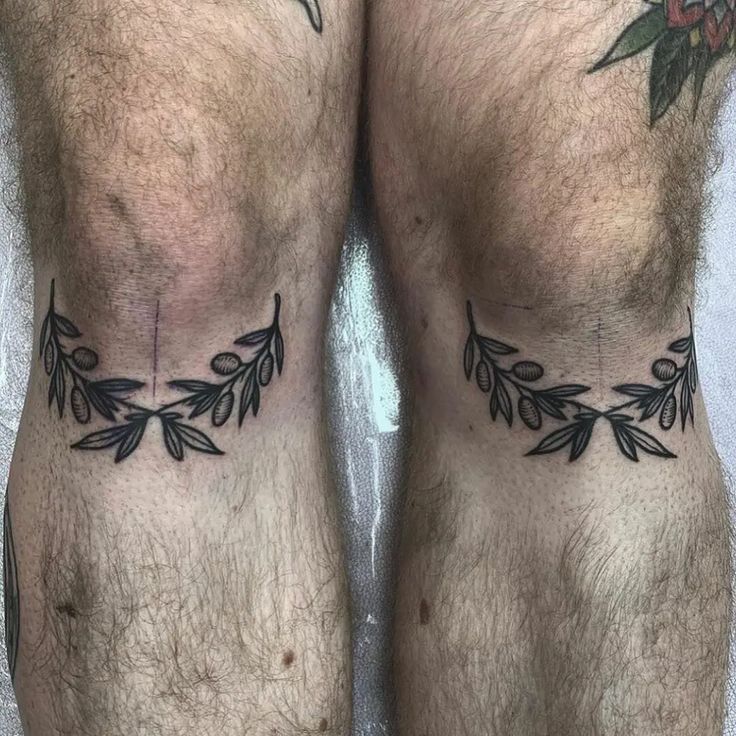

101 Amazing Olive Branch Tattoo Designs You Need To See!
Selection from Pinterest


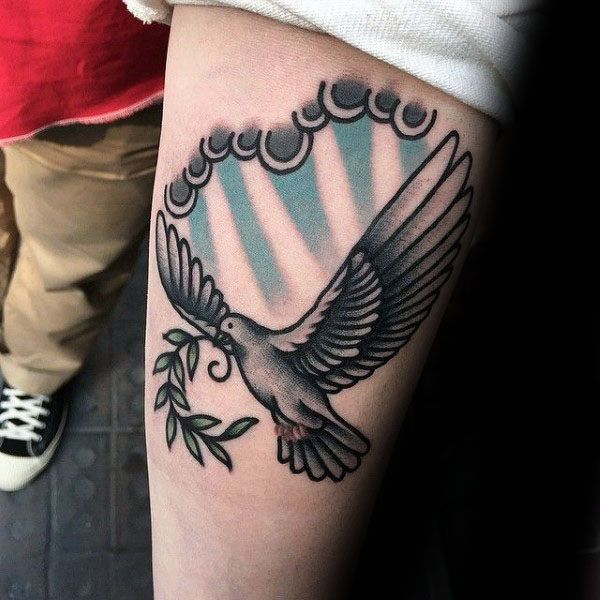
70 Artistic Olive Branch Tattoo Designs for Men
Selection from Pinterest
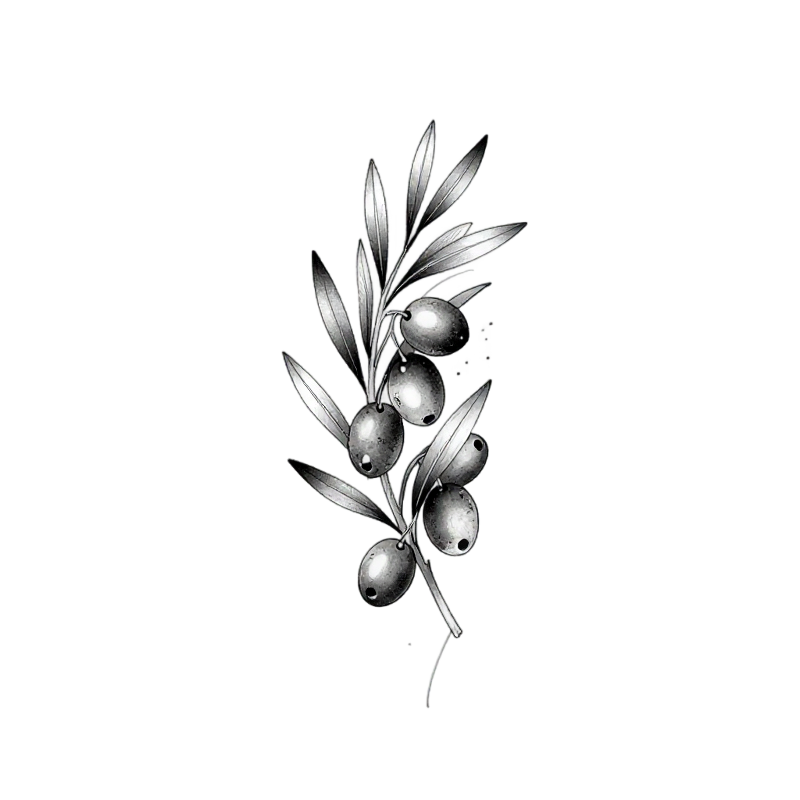
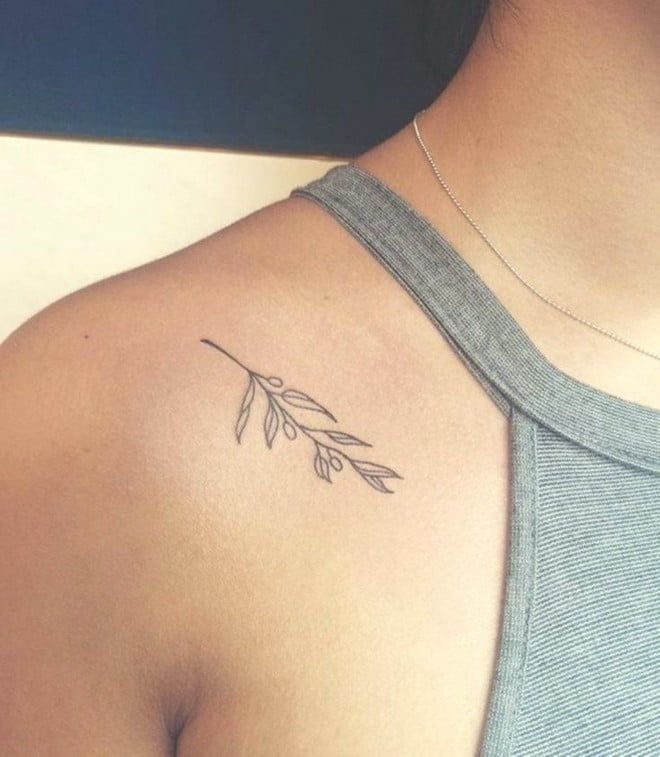
29 Olive Branch Tattoo Ideas You Need To See - Tattoo Joker
Selection from Pinterest
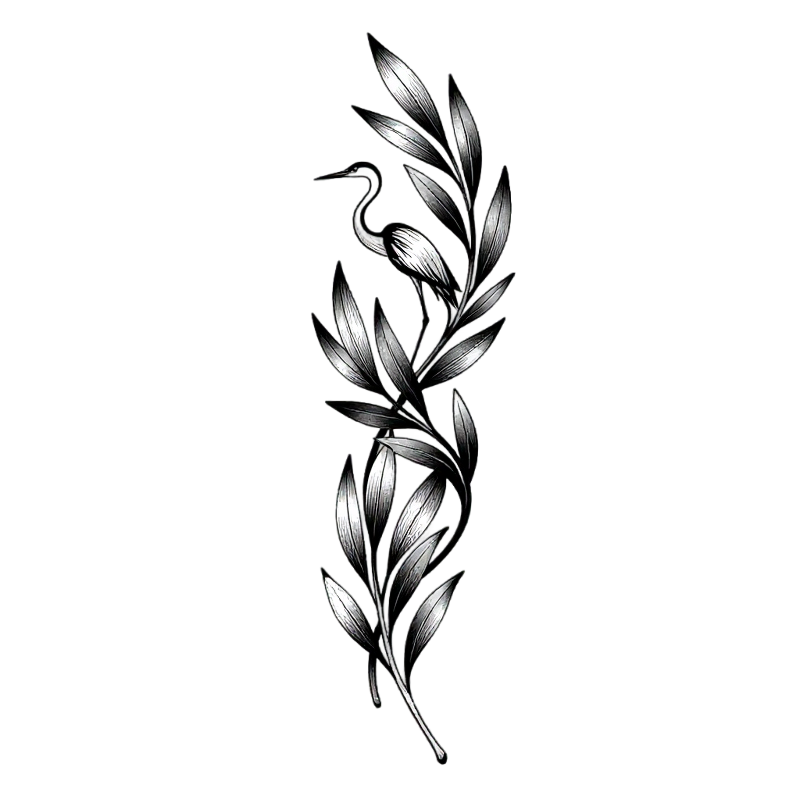
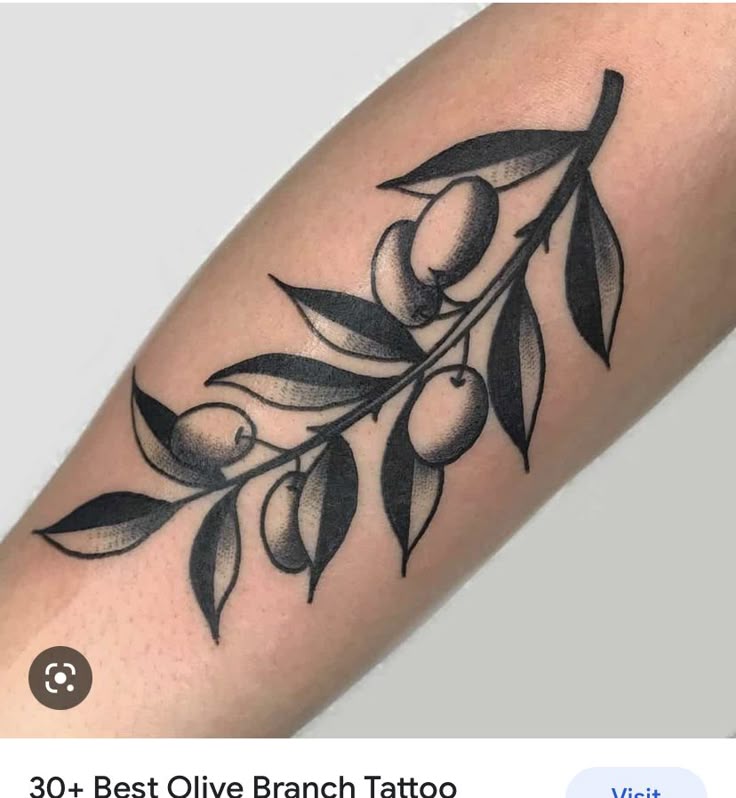
Pin by Nicole Elizabeth on Tattoo ideas | Olive tattoo, Olive tree tattoos, Olive branch tattoo
Selection from Pinterest
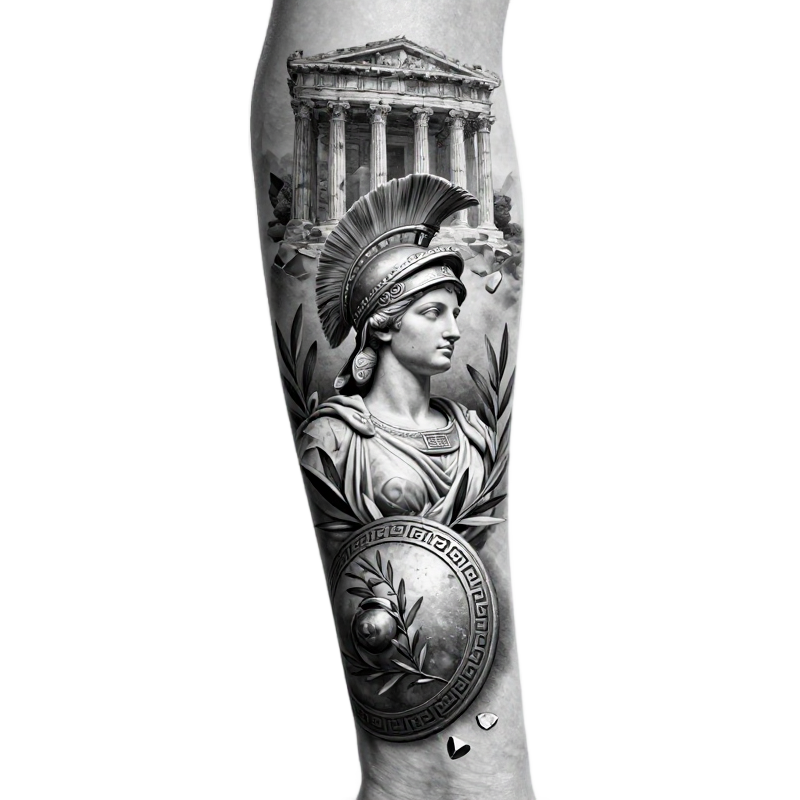
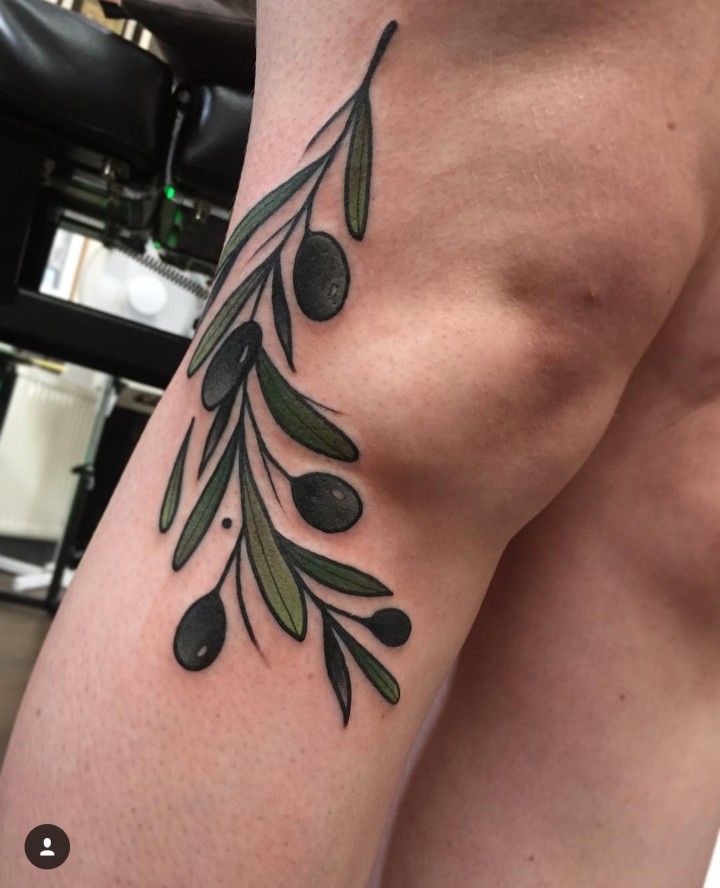
Pin by Stewart Warnock on Tattoo Ideas | Olive tattoo, Branch tattoo, Tattoos
Selection from Pinterest

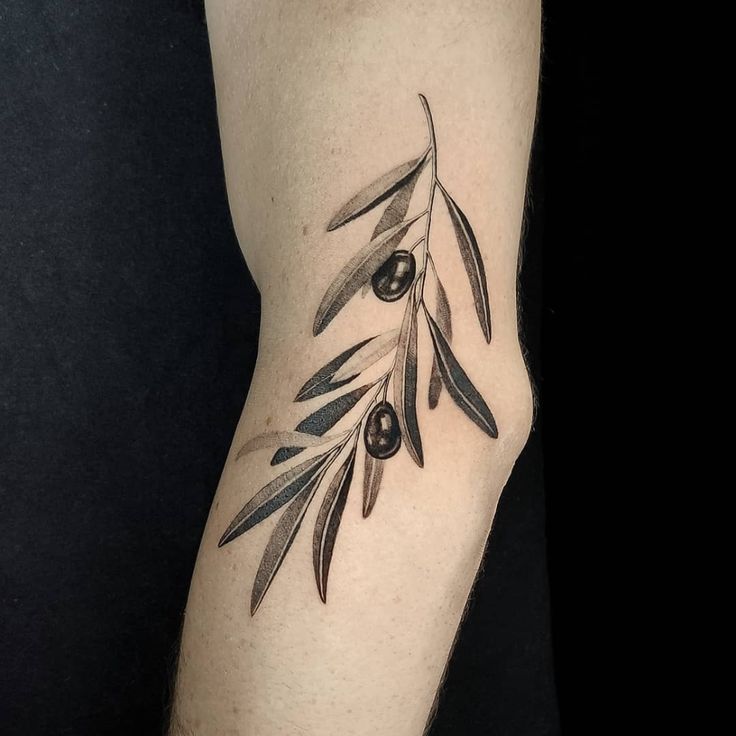
101 Amazing Olive Branch Tattoo Designs You Need To See!
Selection from Pinterest

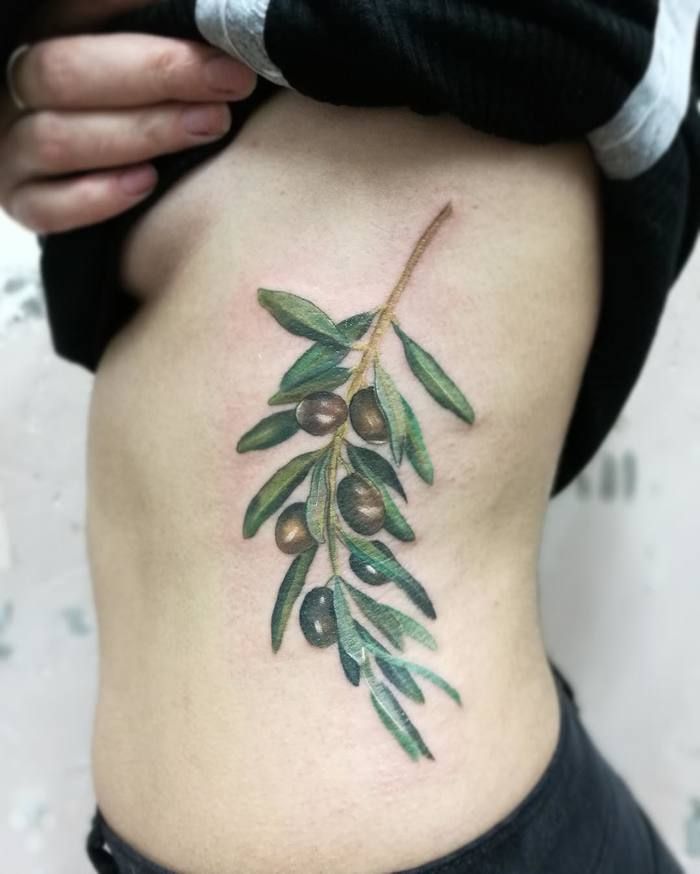
25 Splendid Olive Branch Tattoo Designs - TattooBloq
Selection from Pinterest
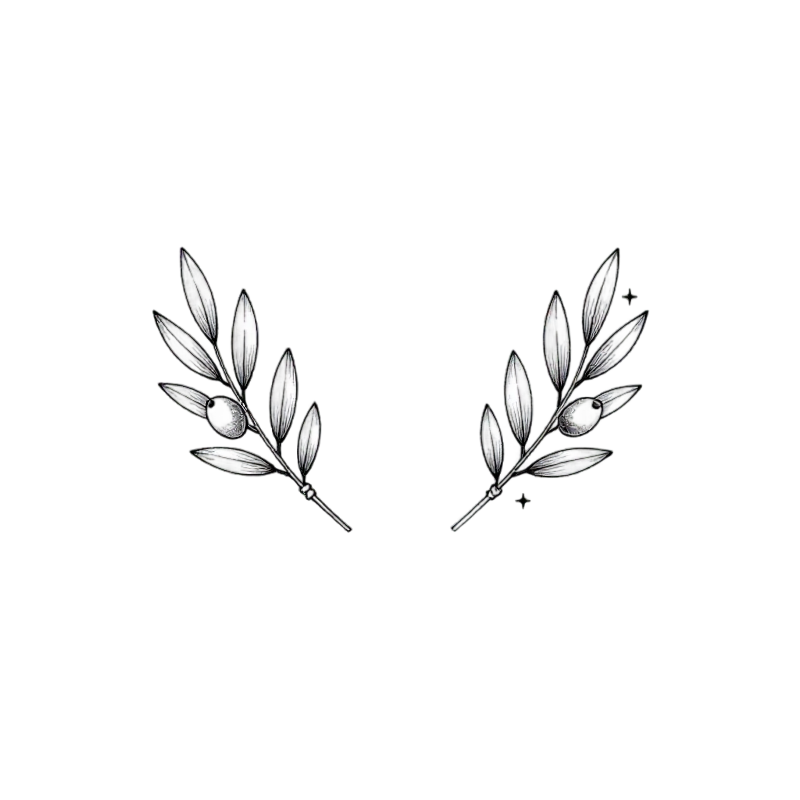
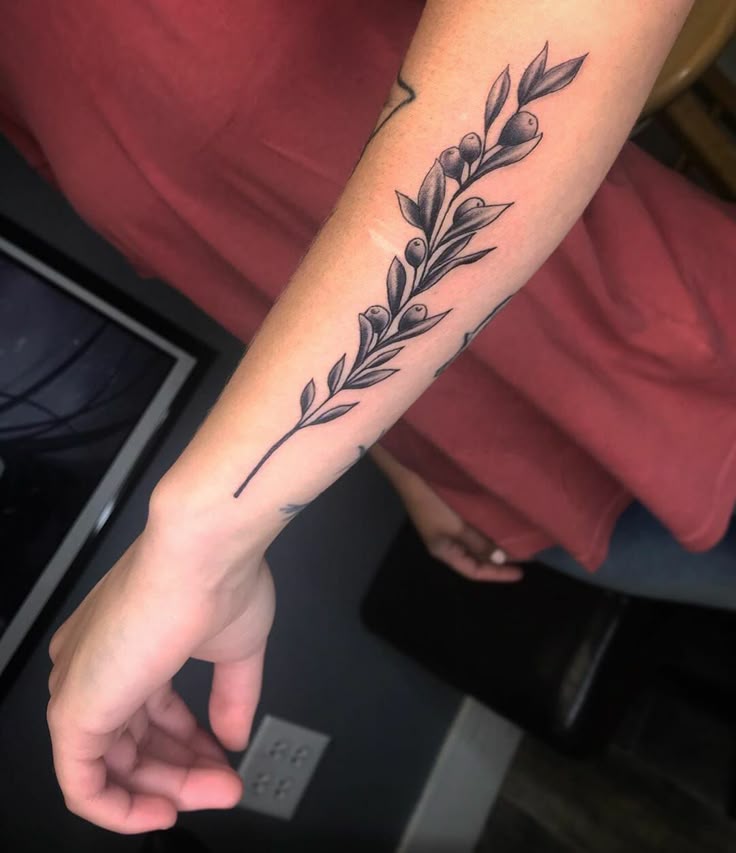
101 Amazing Olive Branch Tattoo Designs You Need To See!
Selection from Pinterest
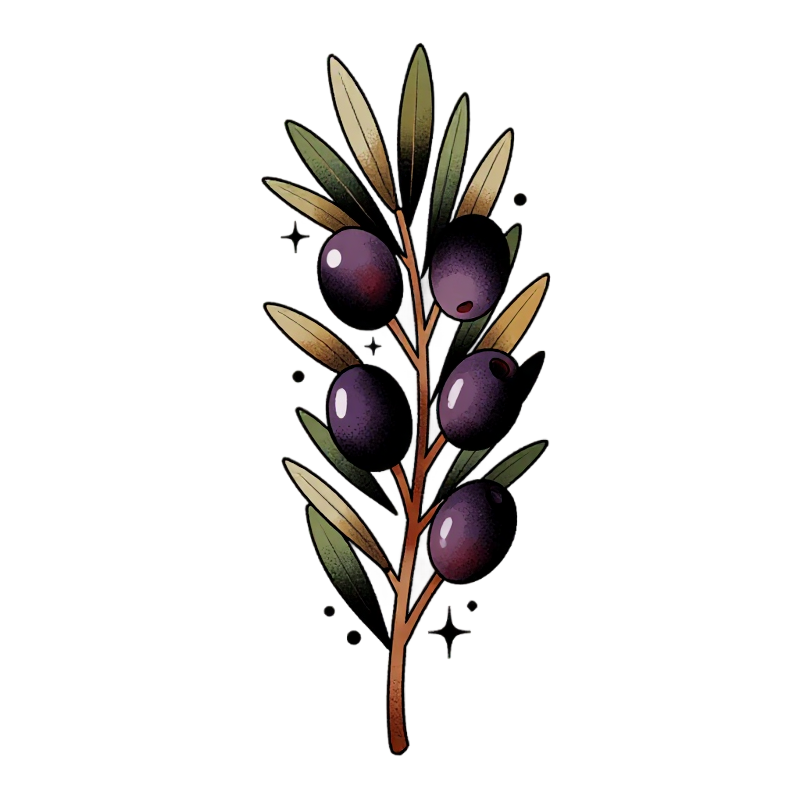
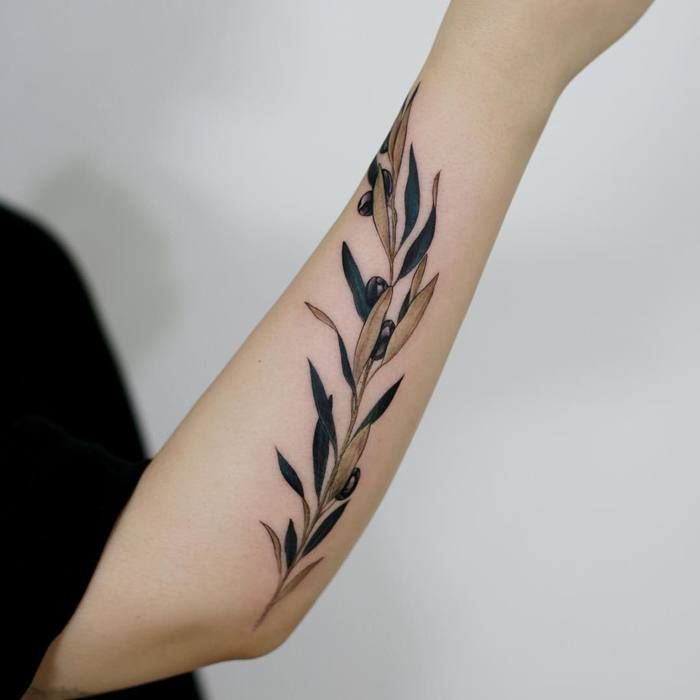
25 Splendid Olive Branch Tattoo Designs - TattooBloq | Olive tattoo, Branch tattoo, Olive branch tattoo
Selection from Pinterest
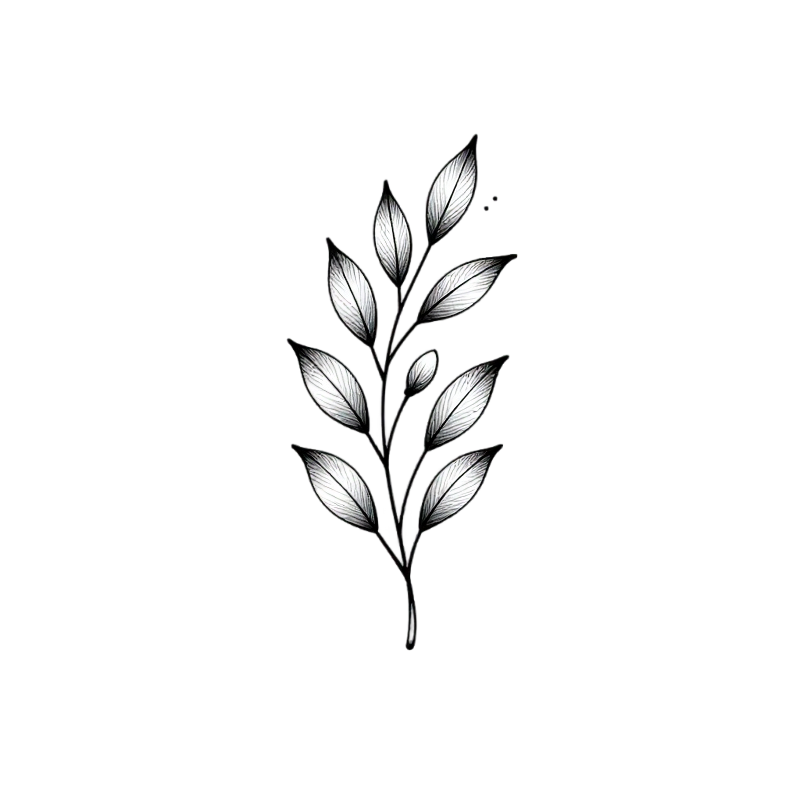
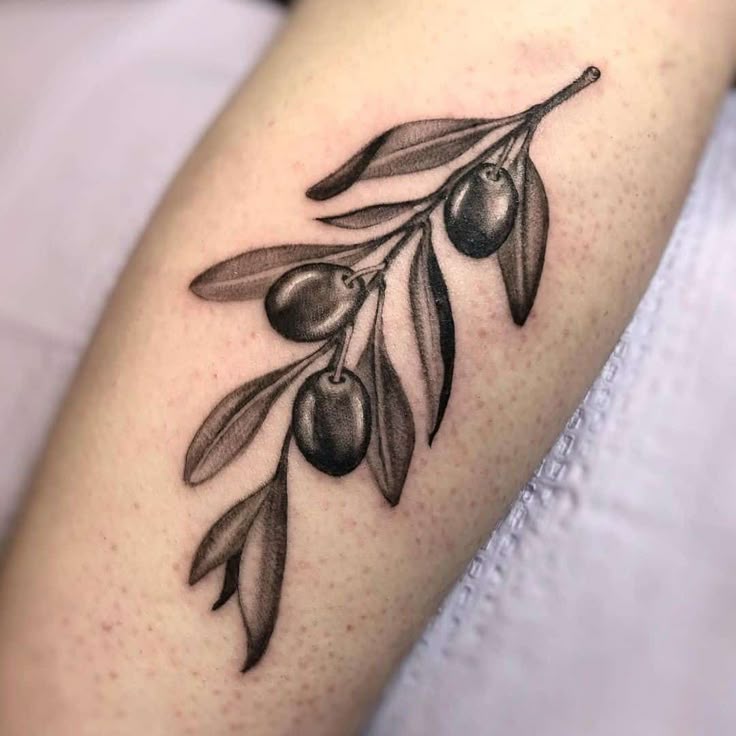
30+ Best Olive Branch Tattoo Design Ideas (2021 Updated!)
Selection from Pinterest
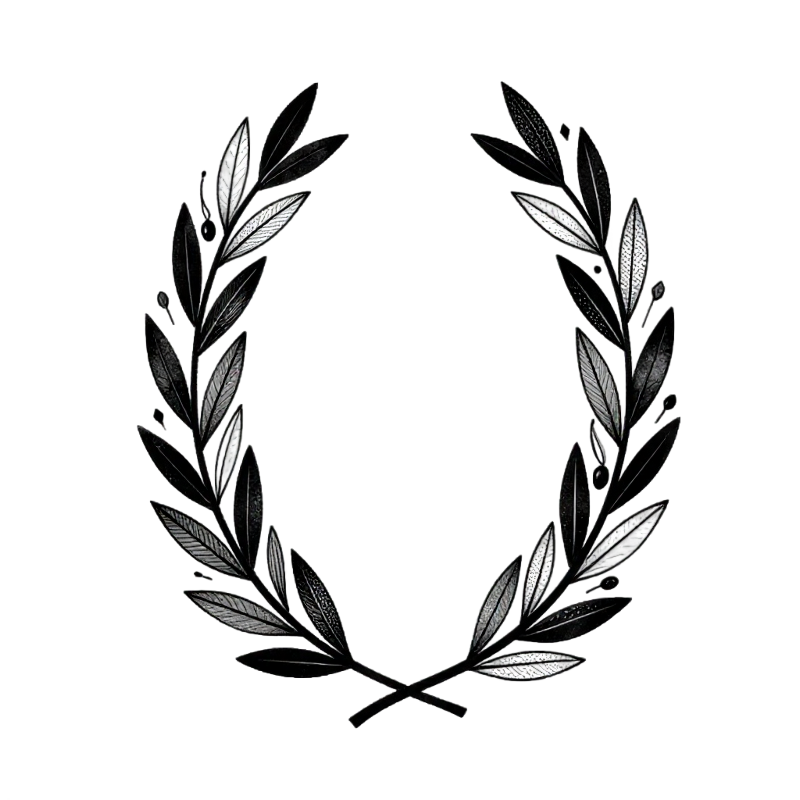
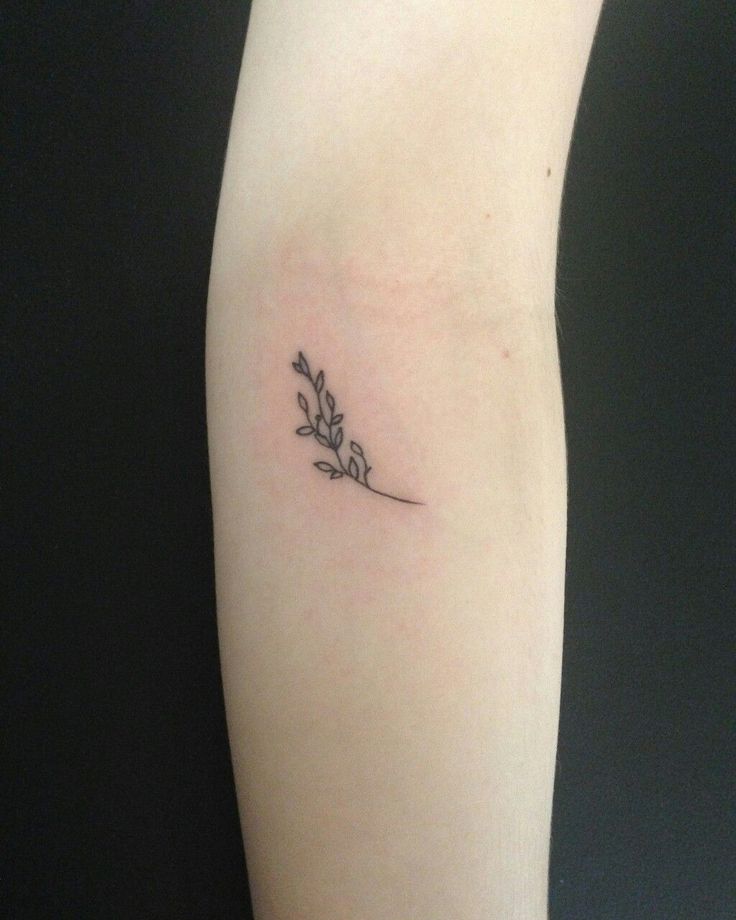
49+ Beautiful Olive Branch Tattoo Designs and Meaning For 2025
Selection from Pinterest
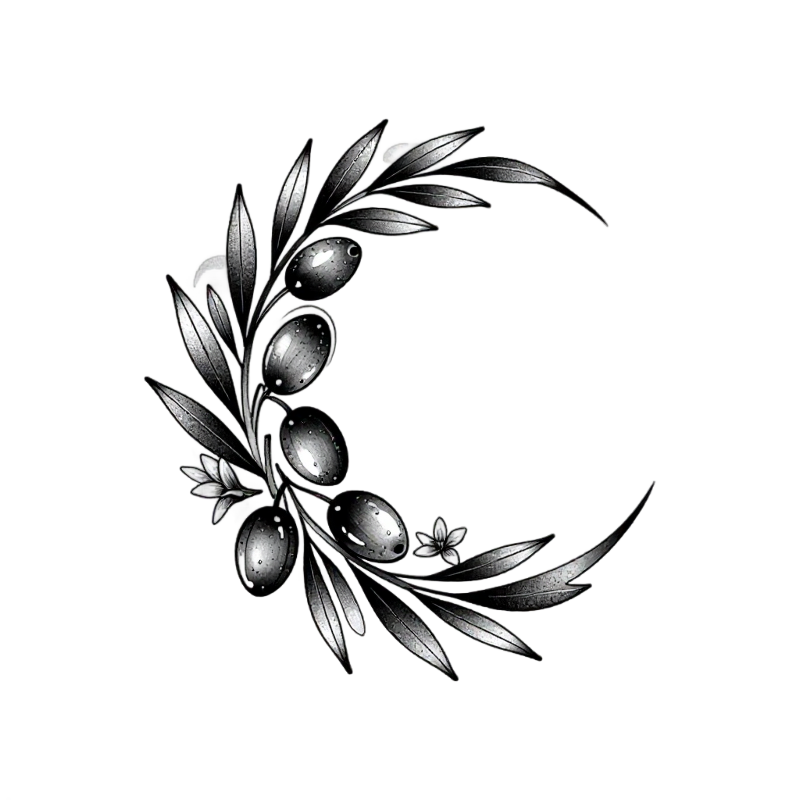
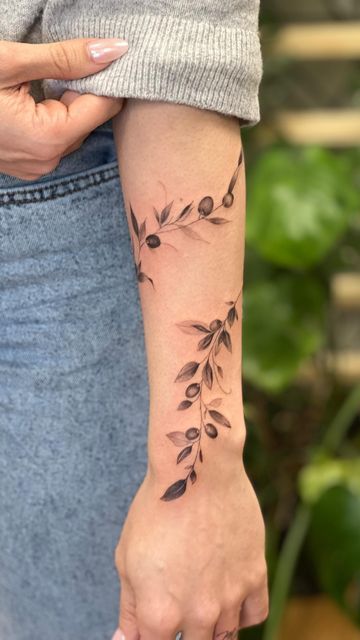
Lucas De Mello Soares on Instagram: "Olive branch for Ariana ! 🍃 thank you for looking . . . #tattoo #tattooideas #tatt #olive #tattoolovers #tattoodesign #ta… in 2025 | Olive branch tattoo, Around arm tattoo, Olive tattoo
Selection from Pinterest

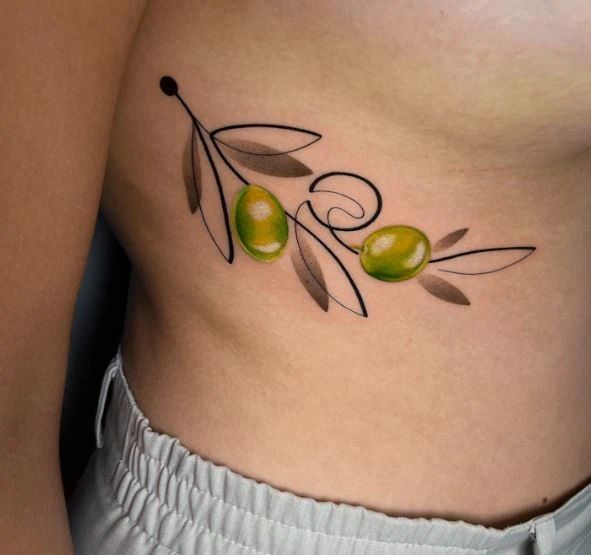
70+ Olive Branch Tattoo Looks To Bring You Peace
Selection from Pinterest
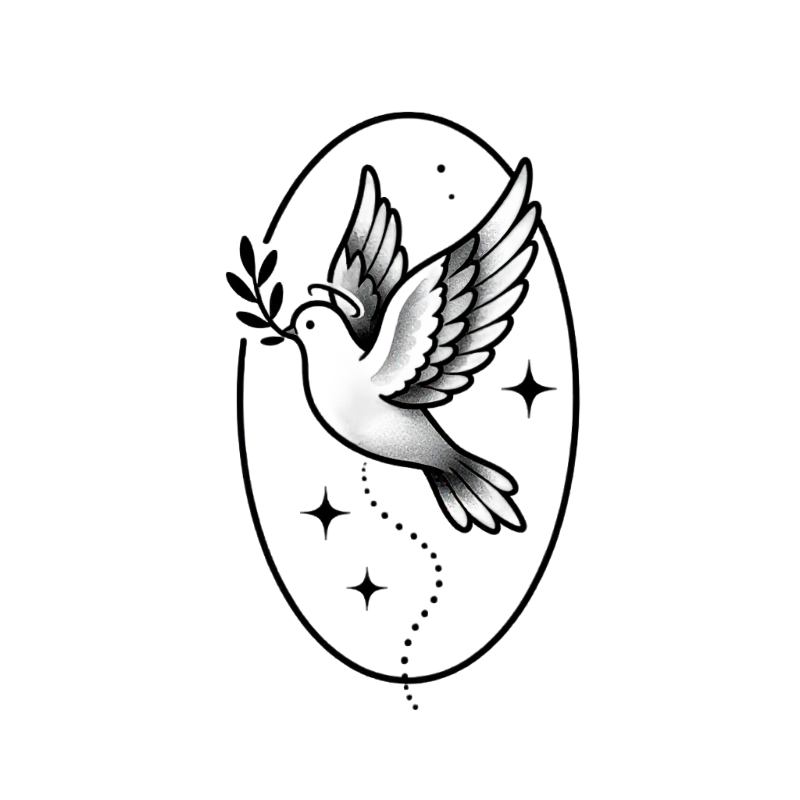
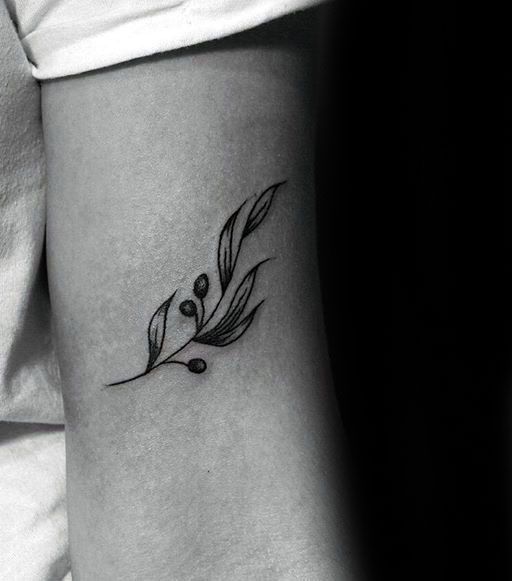
70 Artistic Olive Branch Tattoo Designs for Men
Selection from Pinterest
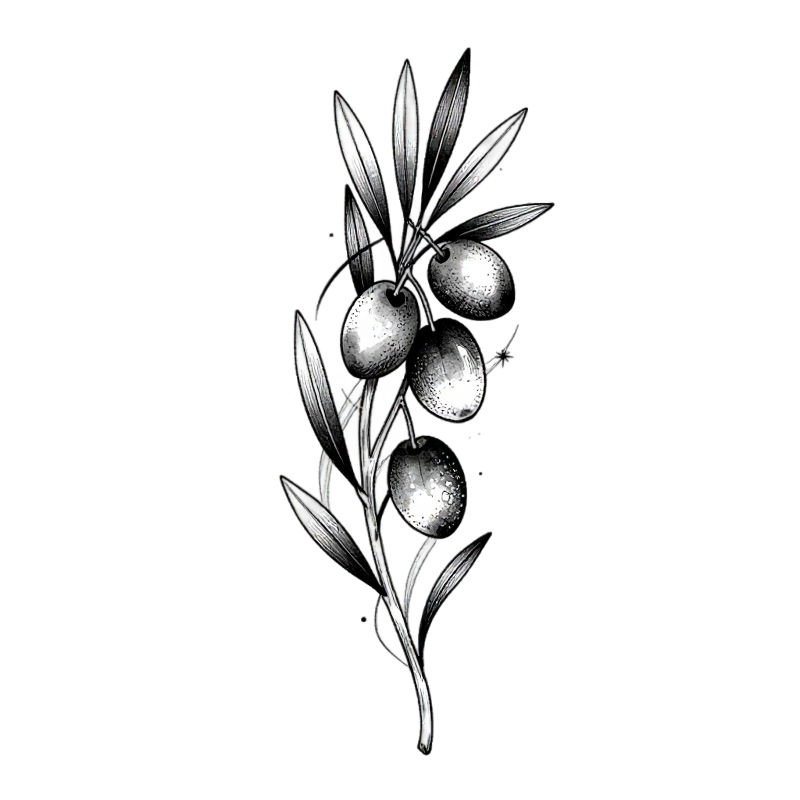
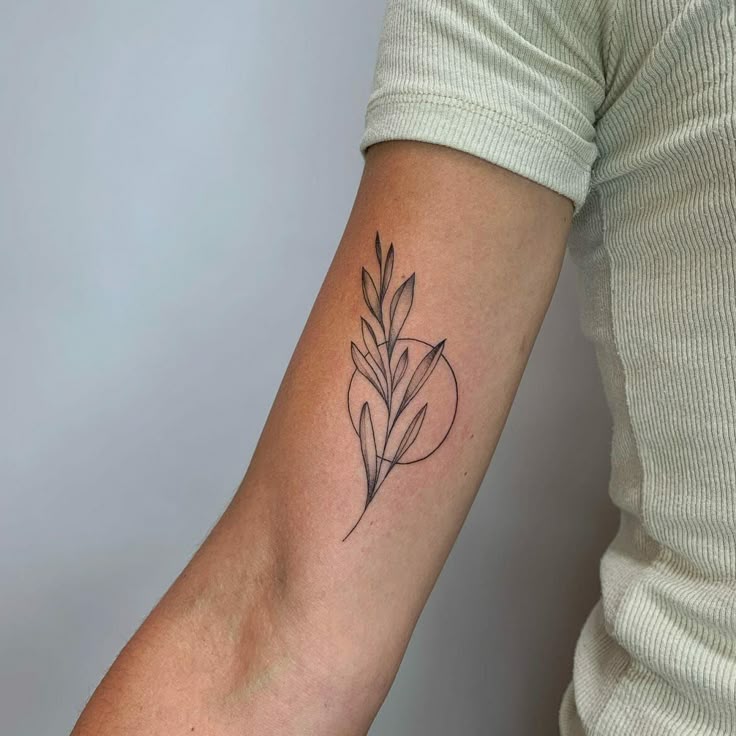
101 Best Minimalist Olive Branch Tattoo Ideas That Will Blow Your Mind!
Selection from Pinterest
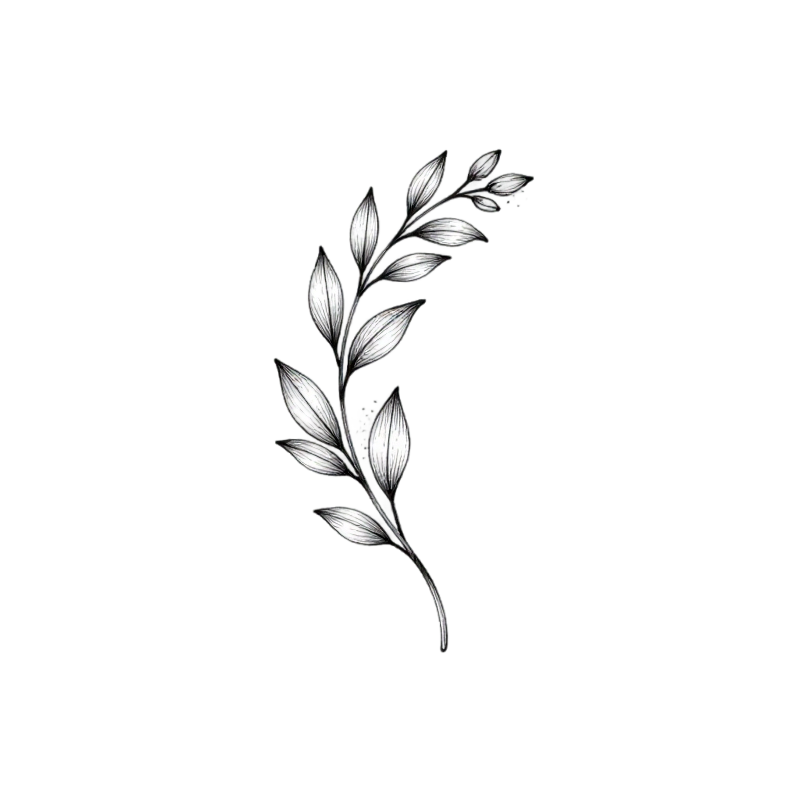
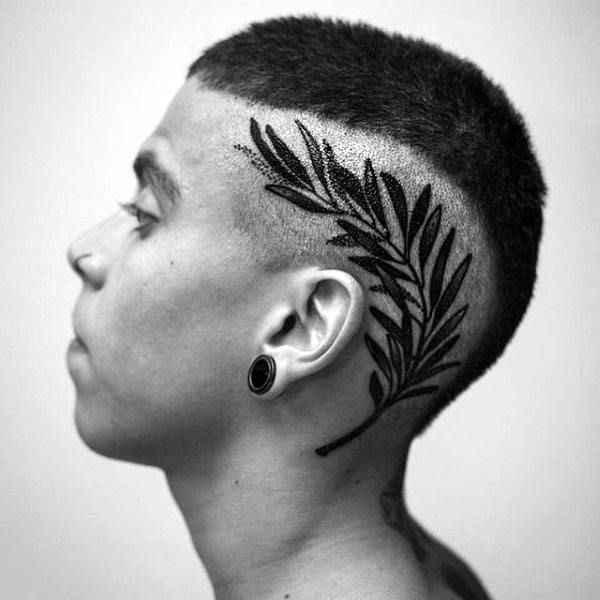
70 Artistic Olive Branch Tattoo Designs for Men
Selection from Pinterest
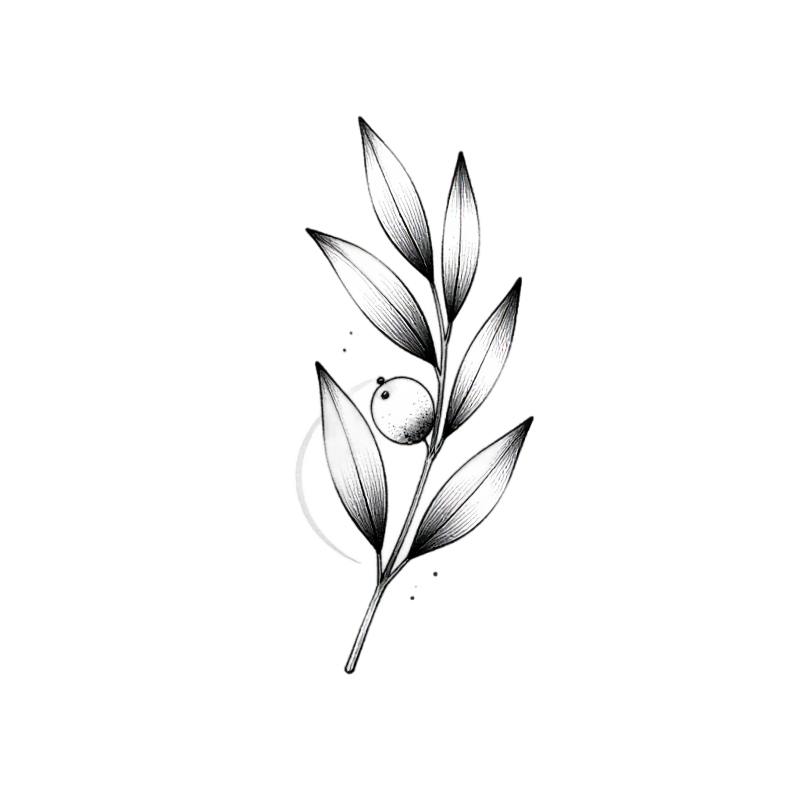
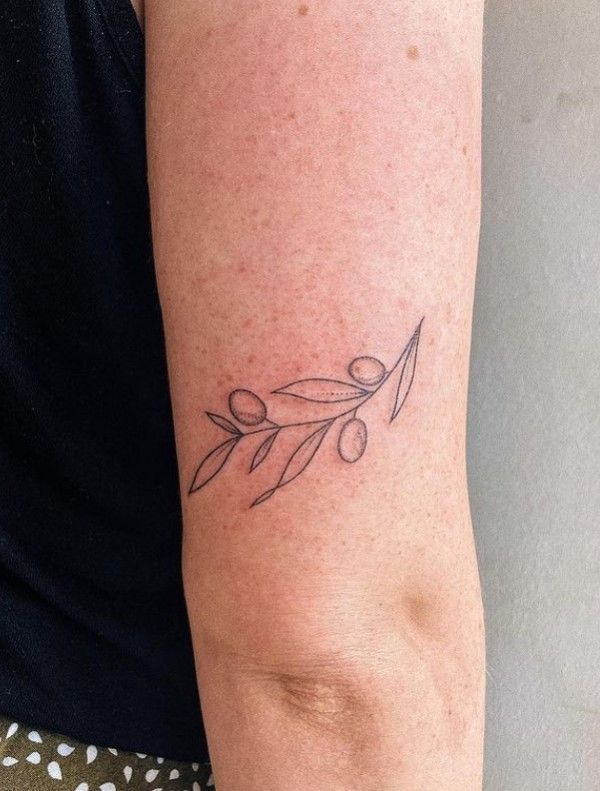
30+ Amazing Olive Branch Tattoo Designs with Meanings and Ideas - Body Art Guru | Petite
Selection from Pinterest
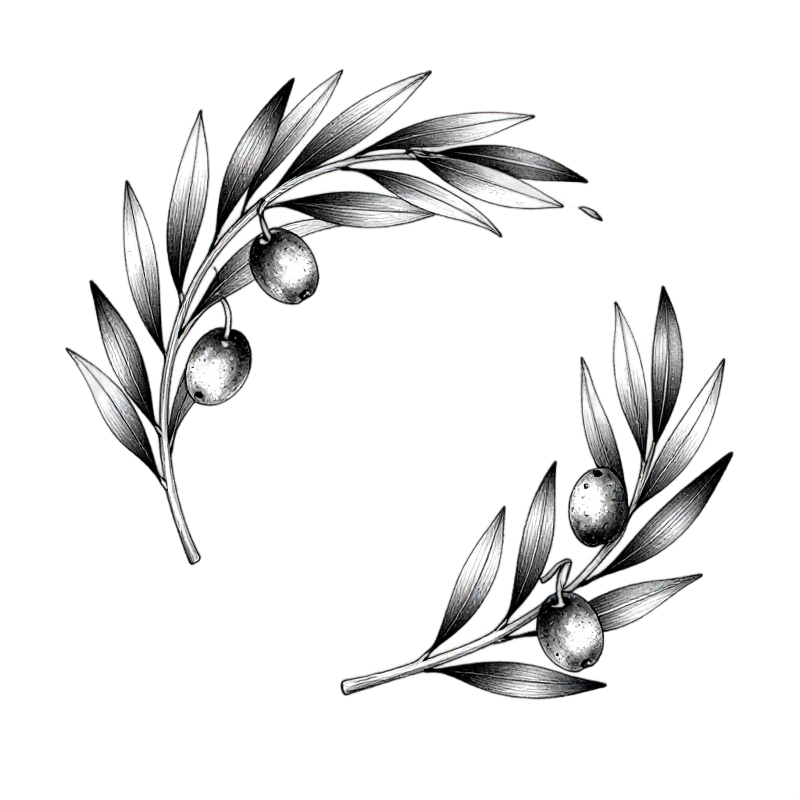
Discover 24 Olive Tattoos and Olive Branch Tattoo Ideas | branch tattoo, olive tree tattoos, olive branch postage stamp tattoo and more
Selection from Pinterest
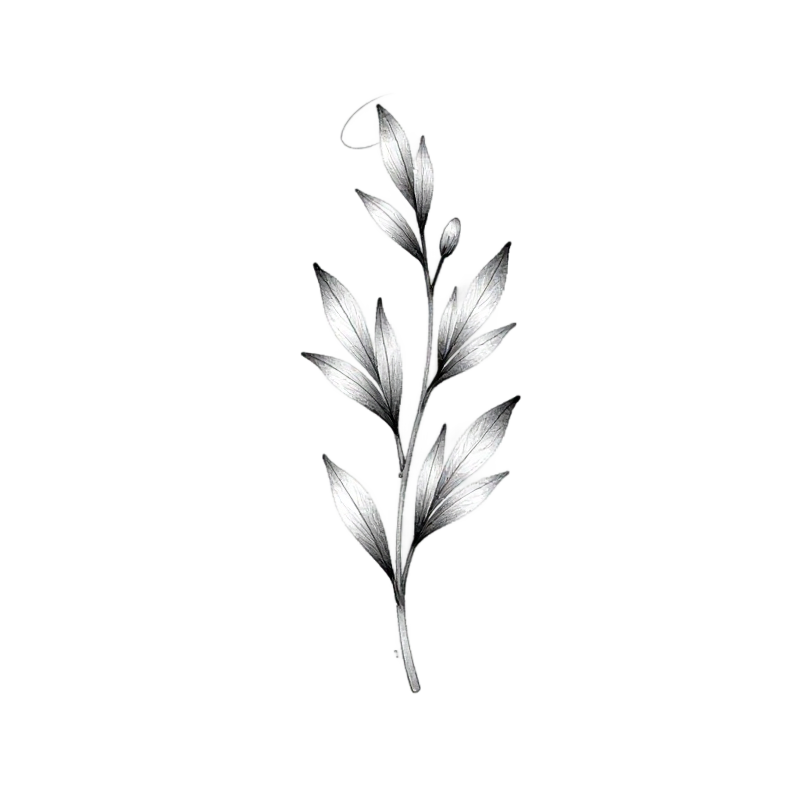
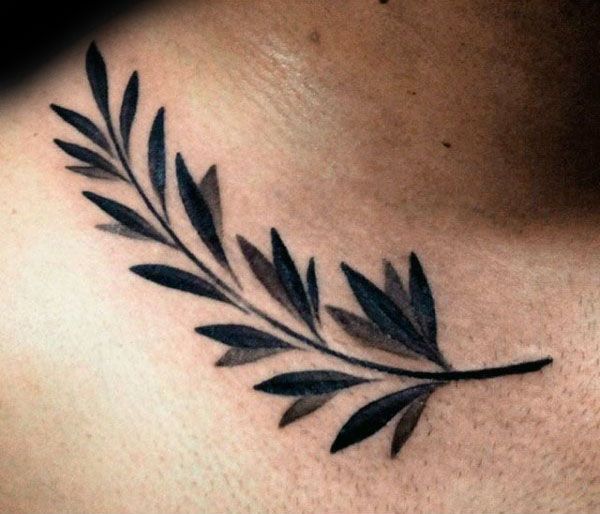
70 Artistic Olive Branch Tattoo Designs for Men
Selection from Pinterest
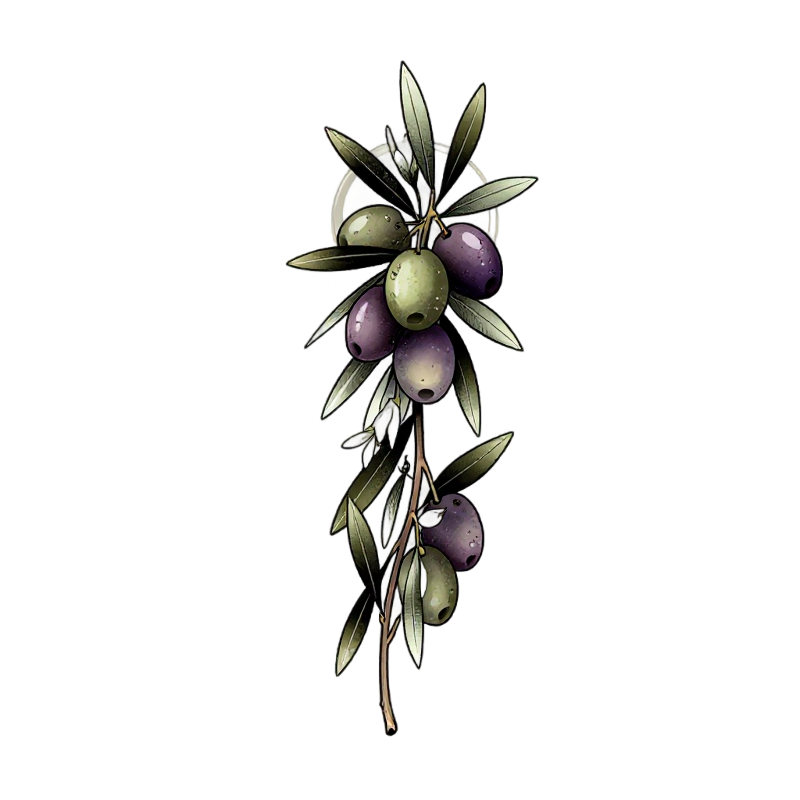
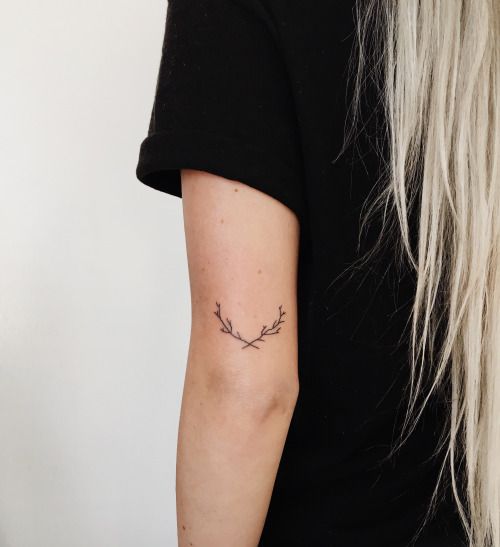
have a cup and stay awhile
Selection from Pinterest
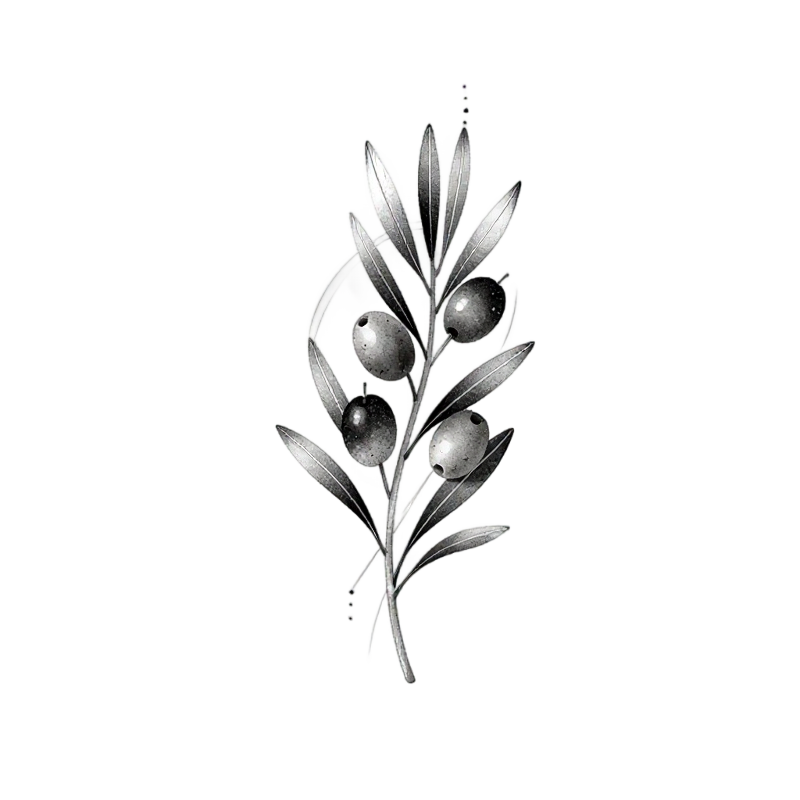
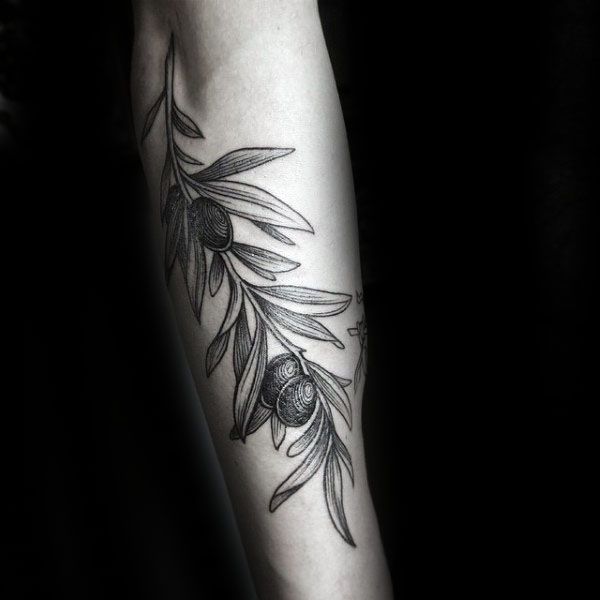
70 Artistic Olive Branch Tattoo Designs for Men
Selection from Pinterest
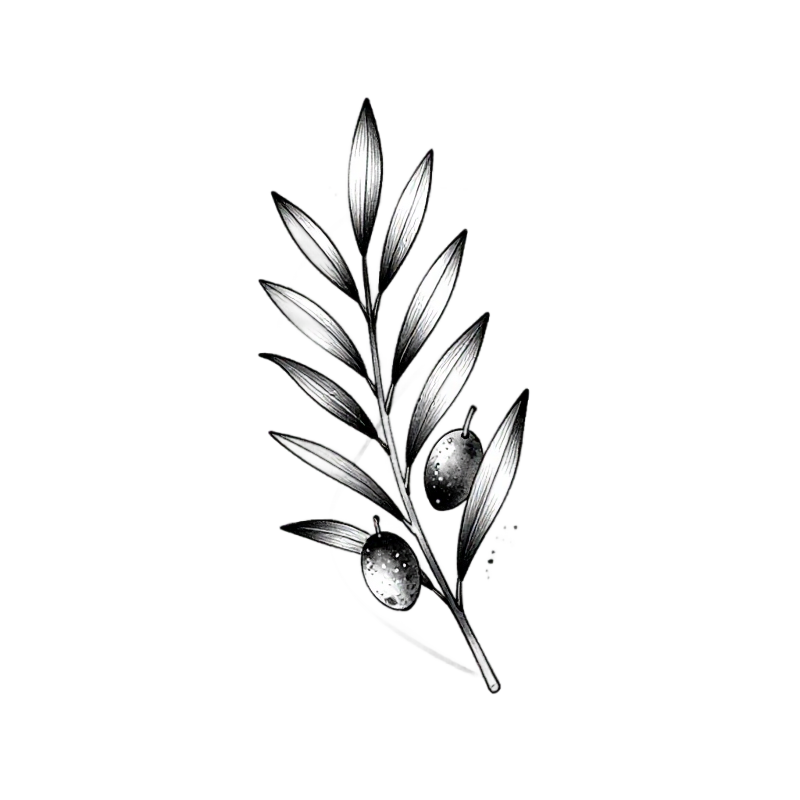
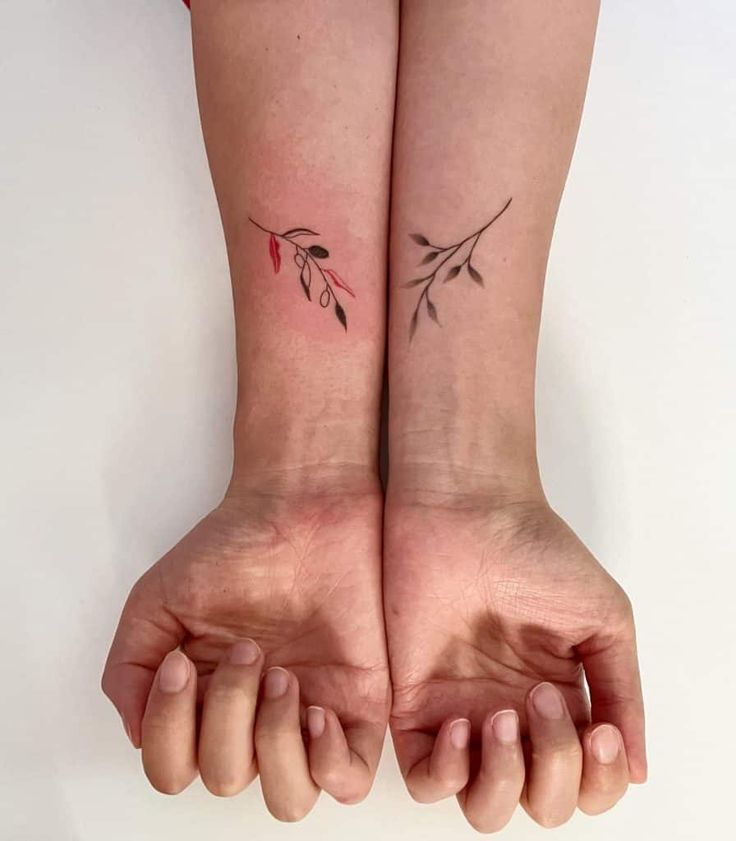
40+ Best Olive Branch Tattoo Designs. Ancient And Modern Meanings
Selection from Pinterest
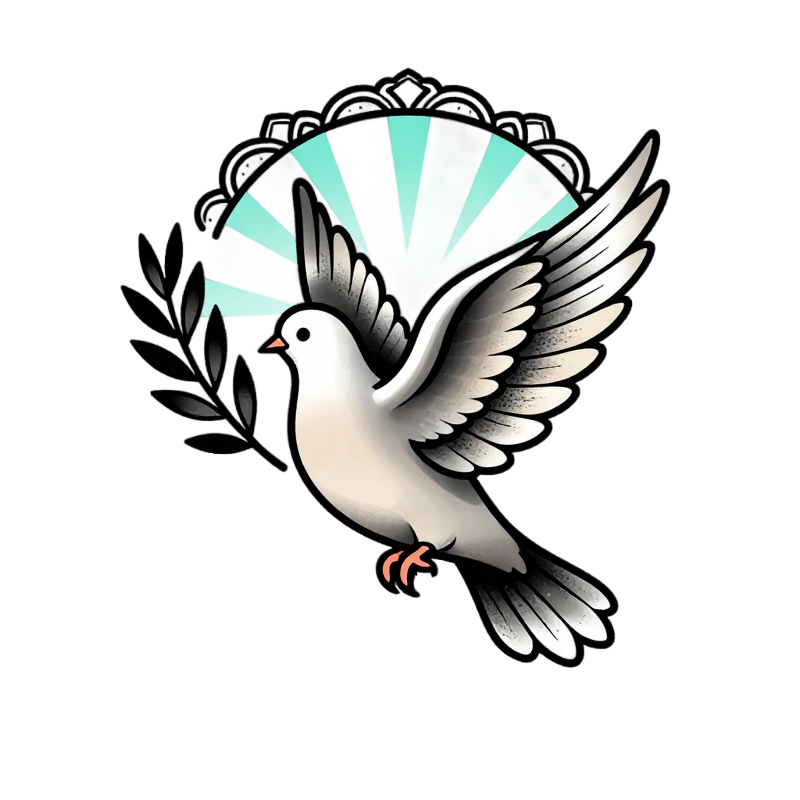
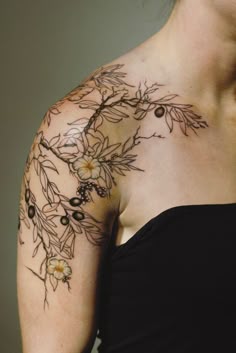
Discover 36 Olive Tree Tattoos and Olive Tattoo Ideas | olive branch tattoo, branch tattoo, tree of life tattoo and more
Selection from Pinterest
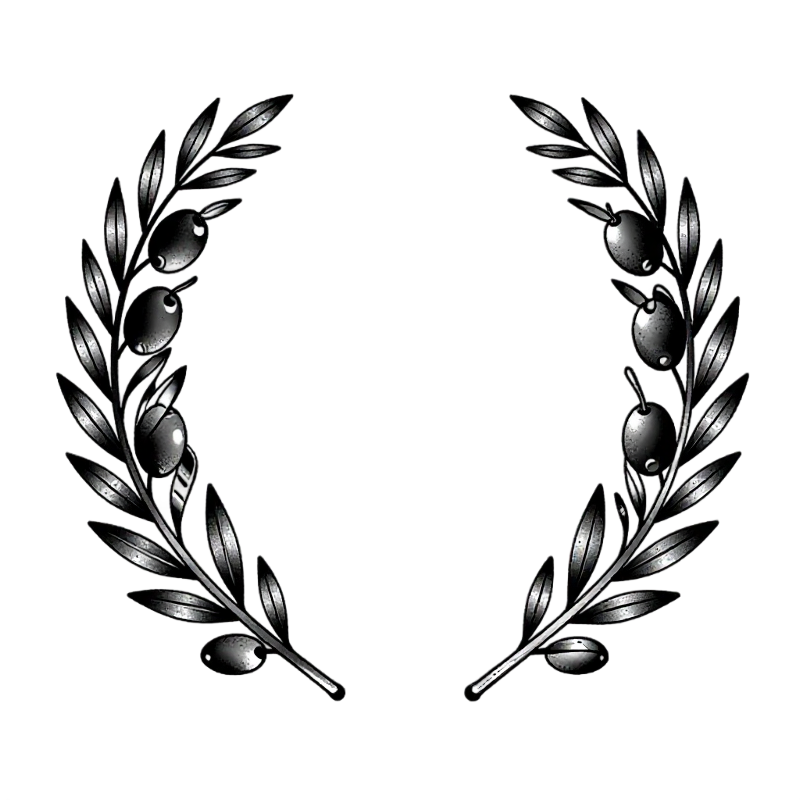
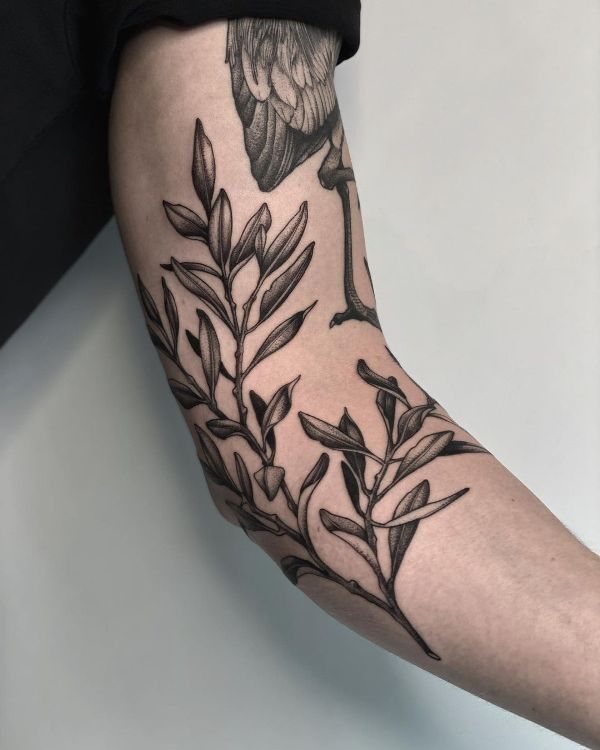
30+ Amazing Olive Branch Tattoo Designs with Meanings and Ideas - Body Art Guru
Selection from Pinterest
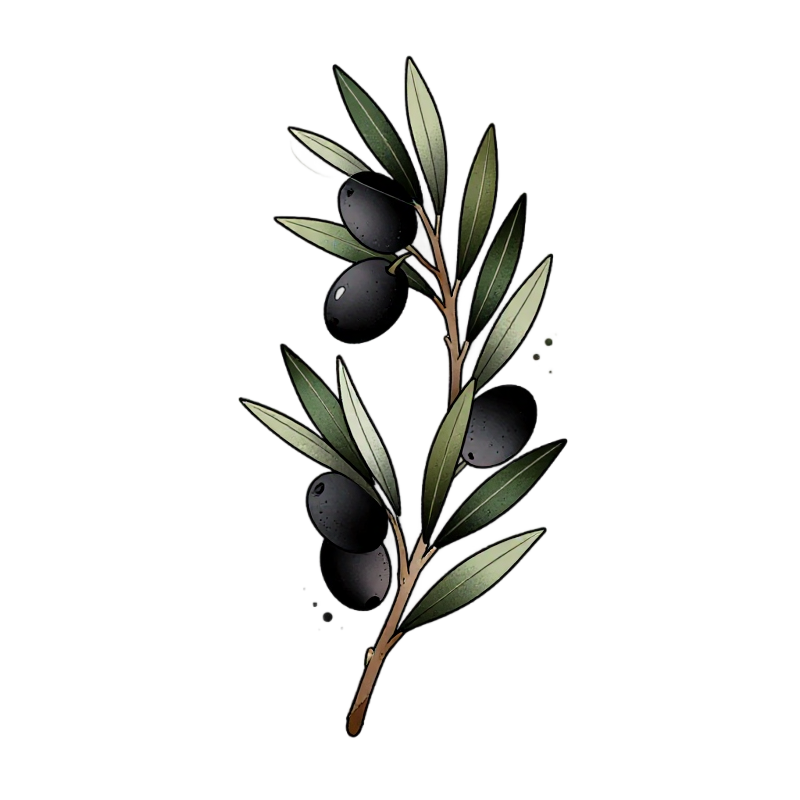
One App to Store All Your Tattoo Ideas
Store your tattoo ideas in one place and Virtual Try-On them on your body!



Avoid Regrets with 3D Virtual Try-On!
Do a 3D Virtual Try-On to see how your tattoo design looks like on your body before you get it tattooed. Powered by Tatship's AI and 3D technology.



Historical Origins and Evolution of Olive branch Tattoos
Historical Significance
The olive branch has a long and storied history, dating back to ancient civilizations. In ancient Greece, the olive tree was considered sacred to the goddess Athena, and the olive branch was used as a symbol of peace and victory. The Greeks believed that the olive tree was a gift from the gods, and it played a central role in their culture and economy.
In Roman times, the olive branch continued to be a symbol of peace and was often used in ceremonies and rituals. The Romans also associated the olive branch with the goddess Pax, the personification of peace.
Throughout history, the olive branch has been used as a symbol of peace and reconciliation in various religious and cultural contexts, including Christianity, where it is associated with the story of Noah's Ark and the dove returning with an olive branch.
The olive branch has also been used in political and diplomatic contexts, often as a symbol of a desire for peace and resolution in times of conflict.