Oni mask Tattoo Ideas, Designs and Meaning
Meaning of Oni mask Tattoos
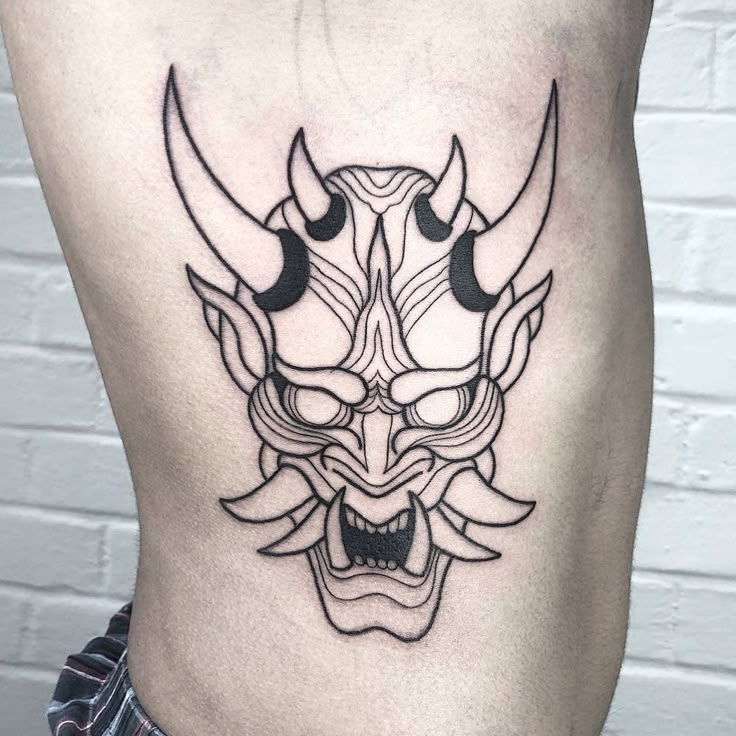
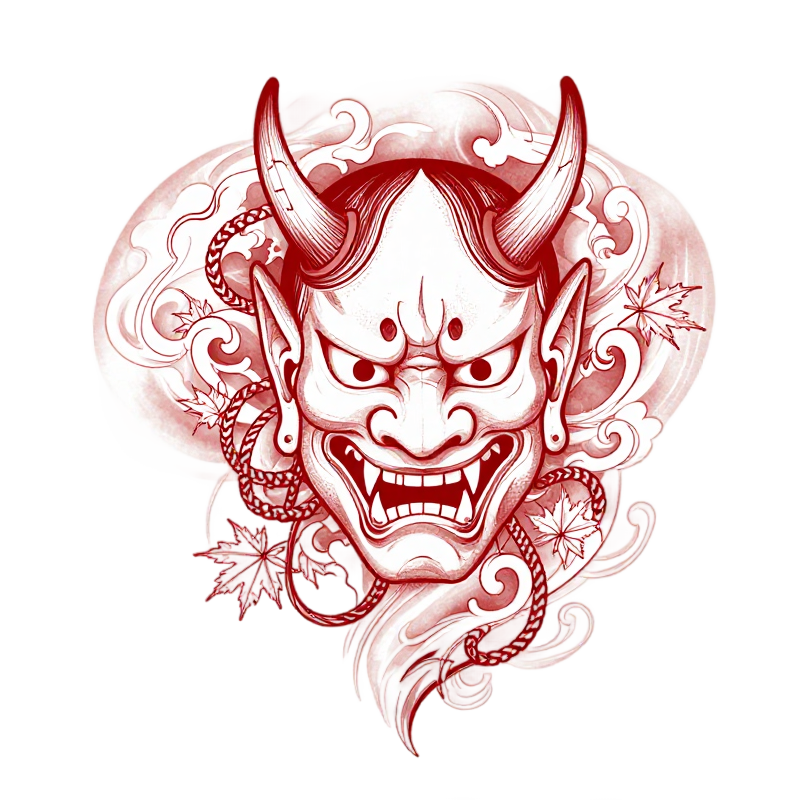
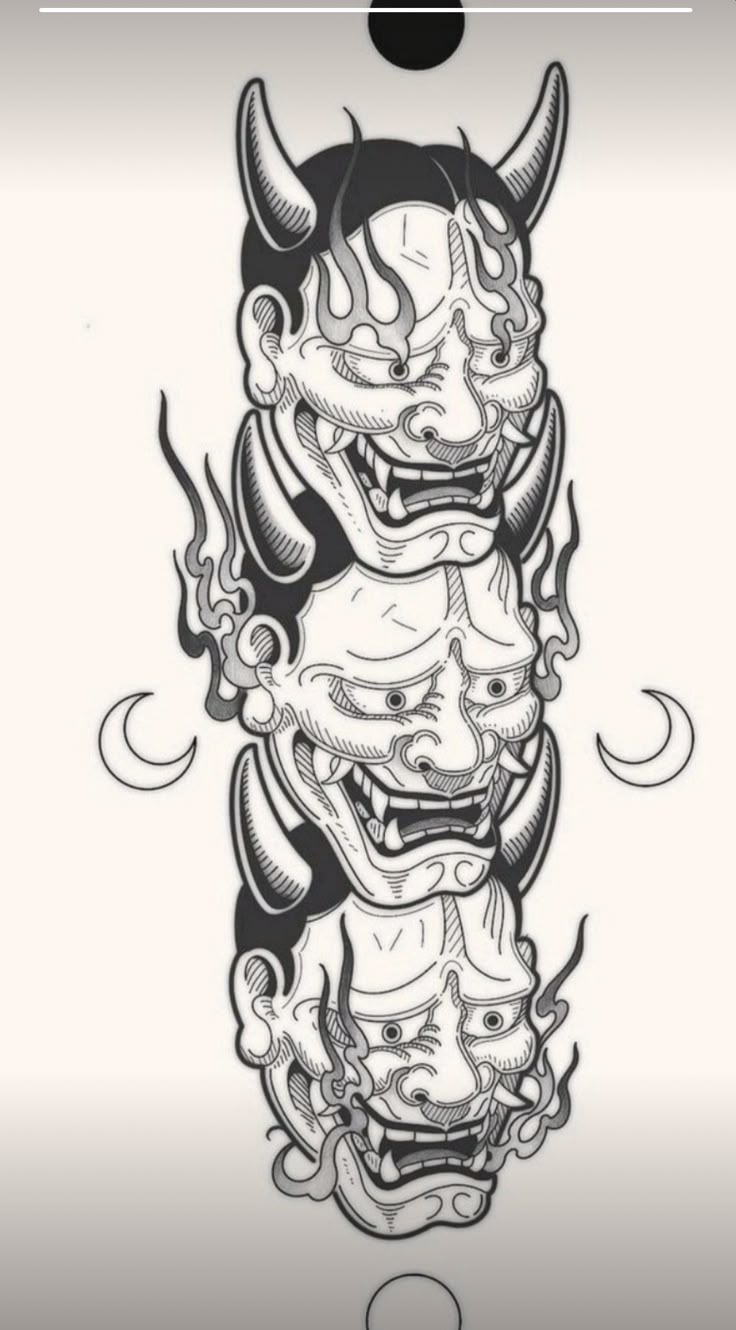
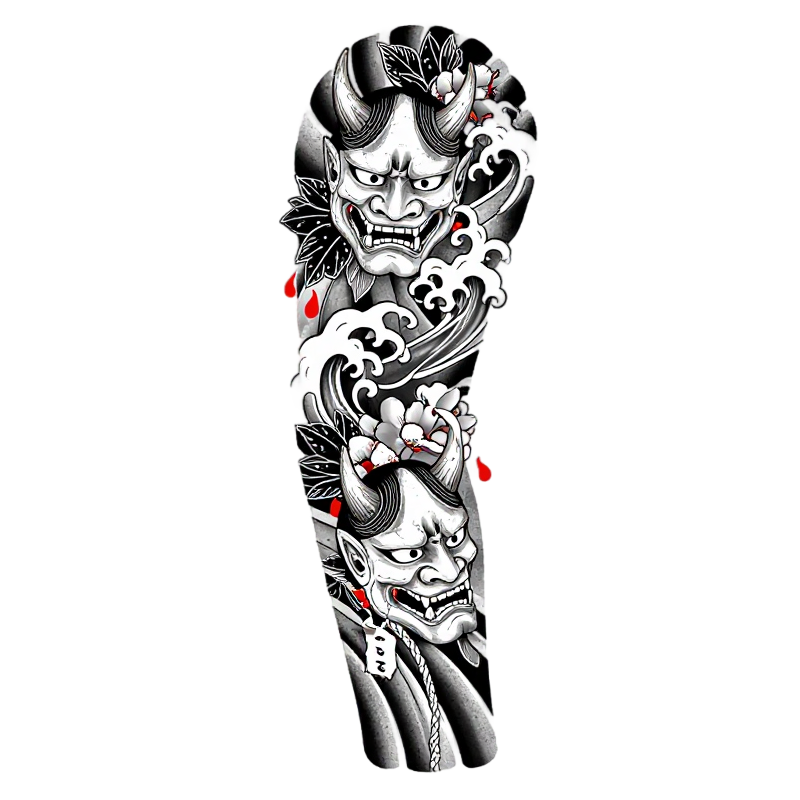
- Oni mask tattoos are inspired by Japanese folklore and represent the visage of an oni, a mythical demon or ogre.
- Commonly, oni masks symbolize protection from evil spirits and misfortune, as they are believed to ward off bad luck.
- In Japanese culture, oni are complex figures, often embodying both malevolent and protective qualities, which adds depth to the tattoo's meaning.
- Historically, oni masks have been used in traditional Japanese Noh theater, where they represent powerful and fearsome characters.
- Oni mask tattoos can also signify personal strength, resilience, and the ability to overcome adversity.
- These tattoos are popular among both men and women, often chosen for their bold and striking appearance.
- Oni mask tattoos are typically large and detailed, making them suitable for prominent body parts like the back, chest, or upper arm.
- The style of an oni mask tattoo can vary, ranging from traditional Japanese irezumi to more modern interpretations, each offering a unique aesthetic.
- Color choices in oni mask tattoos can influence their meaning, with red often symbolizing anger or power, while blue may represent calmness or protection.
- Oni mask tattoos are a way for individuals to connect with Japanese culture and express a fascination with its rich mythology and artistic traditions.
2,351 Tattoo Ideas
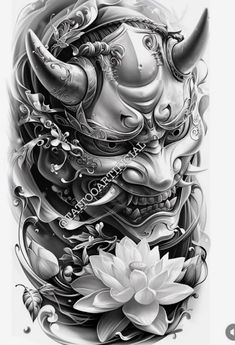

210 Hanya Oni Mask tattoo ideas in 2025 | mask tattoo, japanese tattoo, japanese tattoo designs
Selection from Pinterest
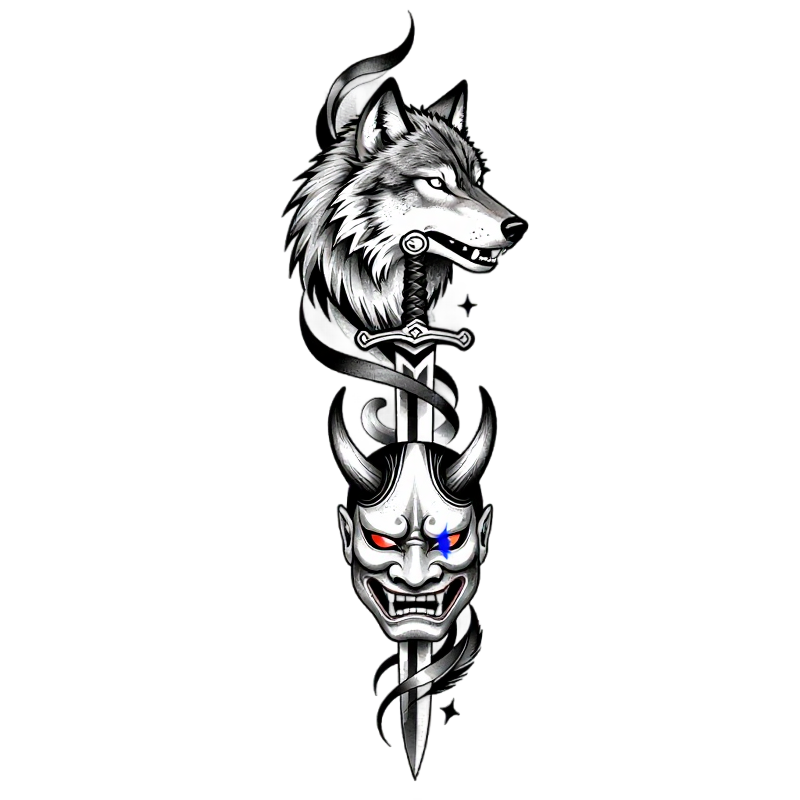

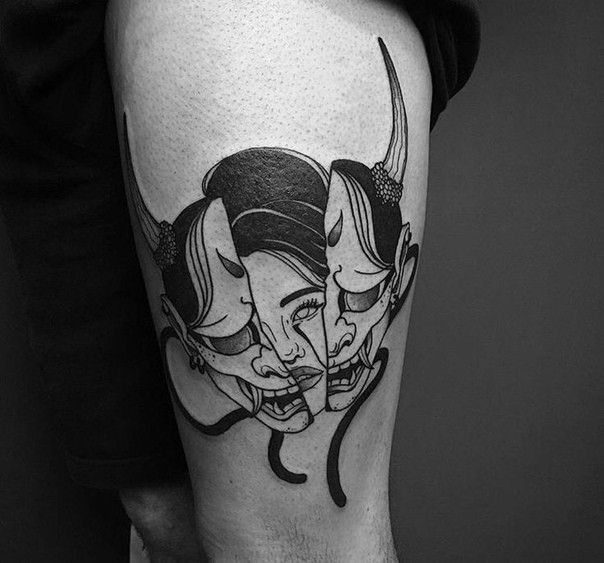
250+ Hannya Mask Tattoo Designs With Meaning (2024) Japanese Oni Demon
Selection from Pinterest
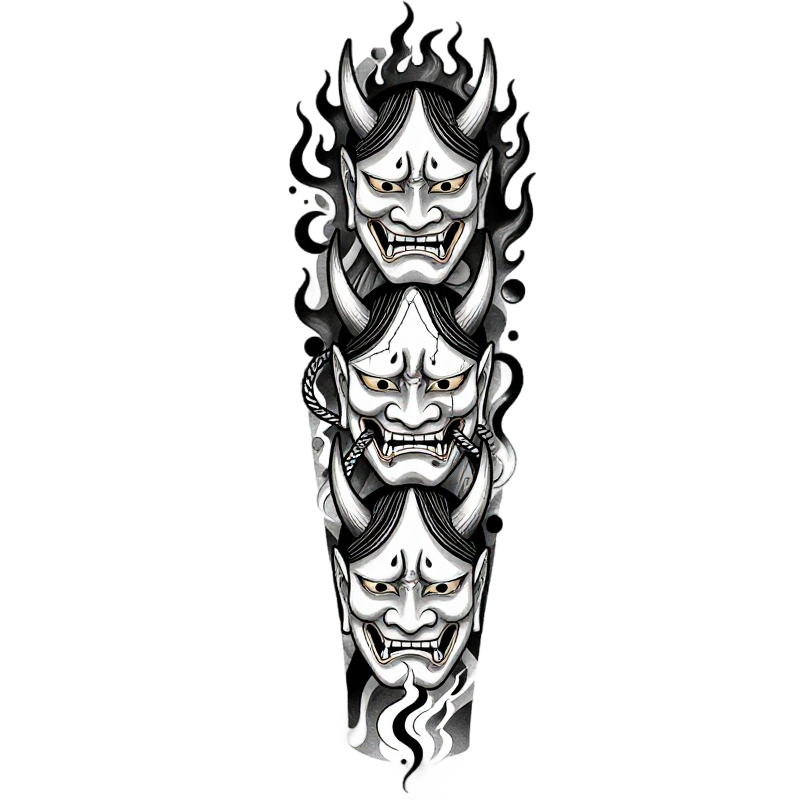
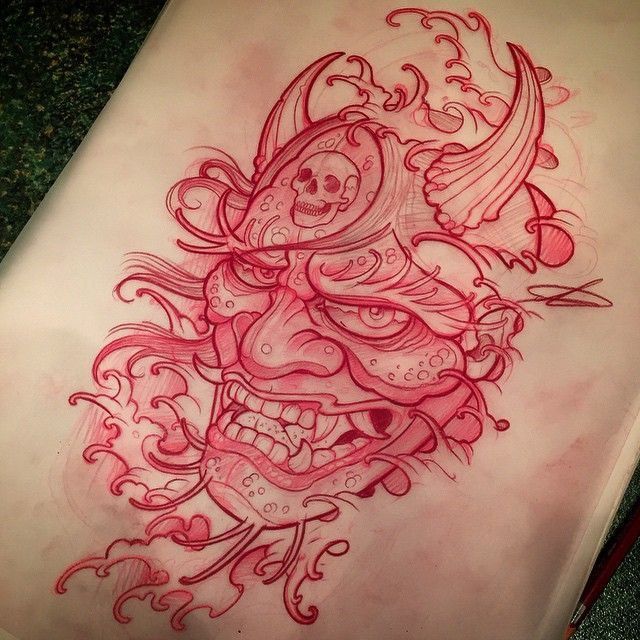
190+ Oni Mask Tattoo Designs with Meaning(2024)
Selection from Pinterest
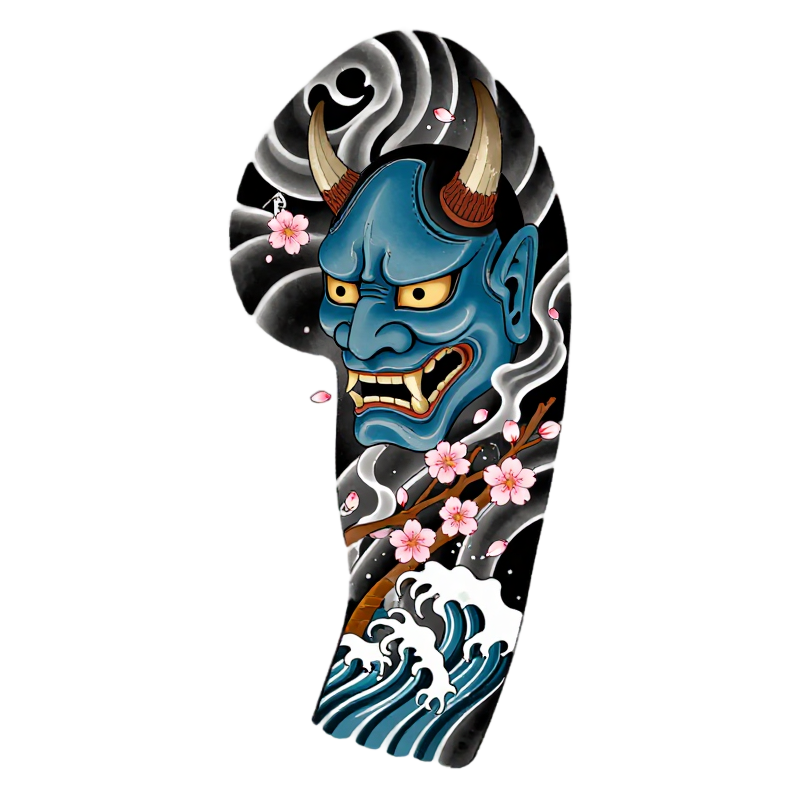
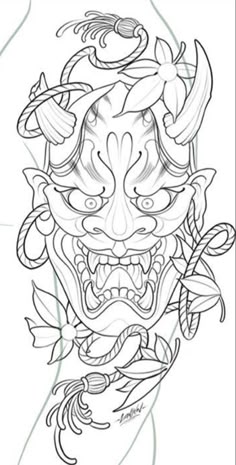
35 Oni tattoo ideas | oni tattoo, japanese tattoo art, japanese tattoo
Selection from Pinterest
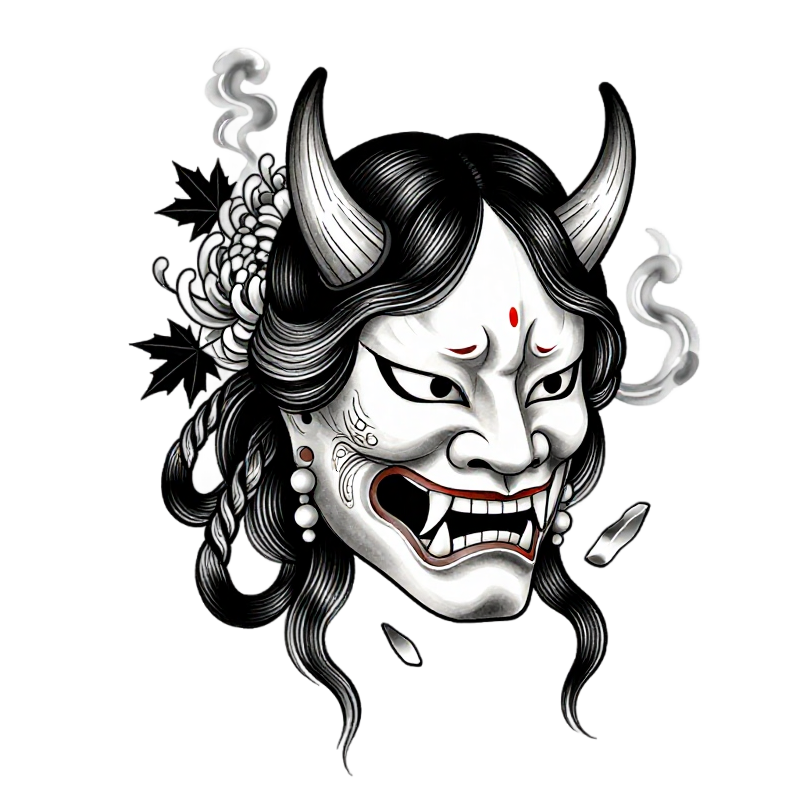
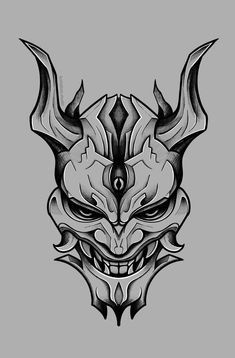
190+ Oni Mask Tattoo Designs with Meaning(2024)
Selection from Pinterest
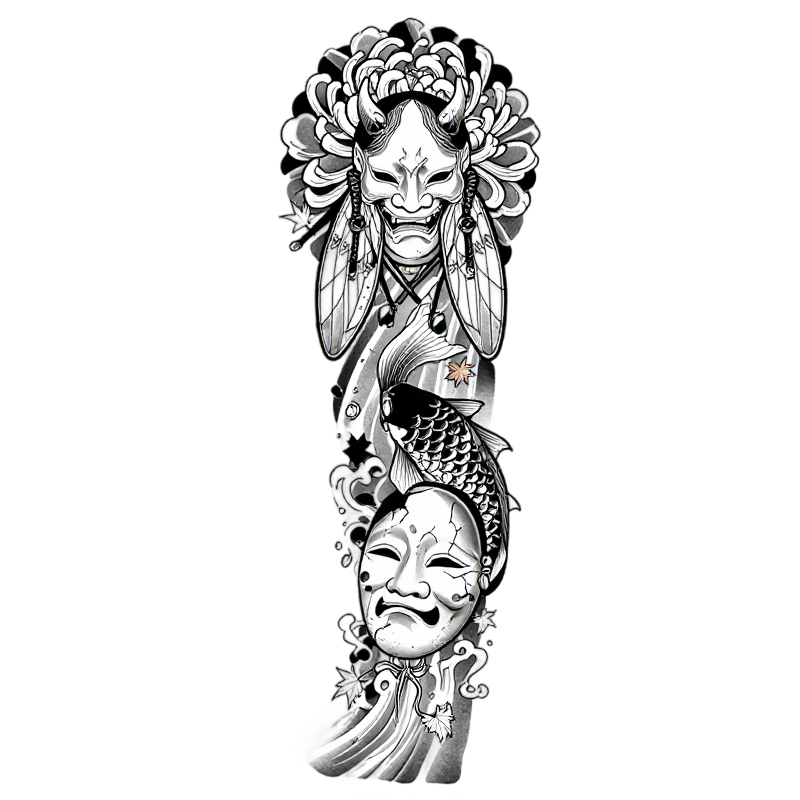
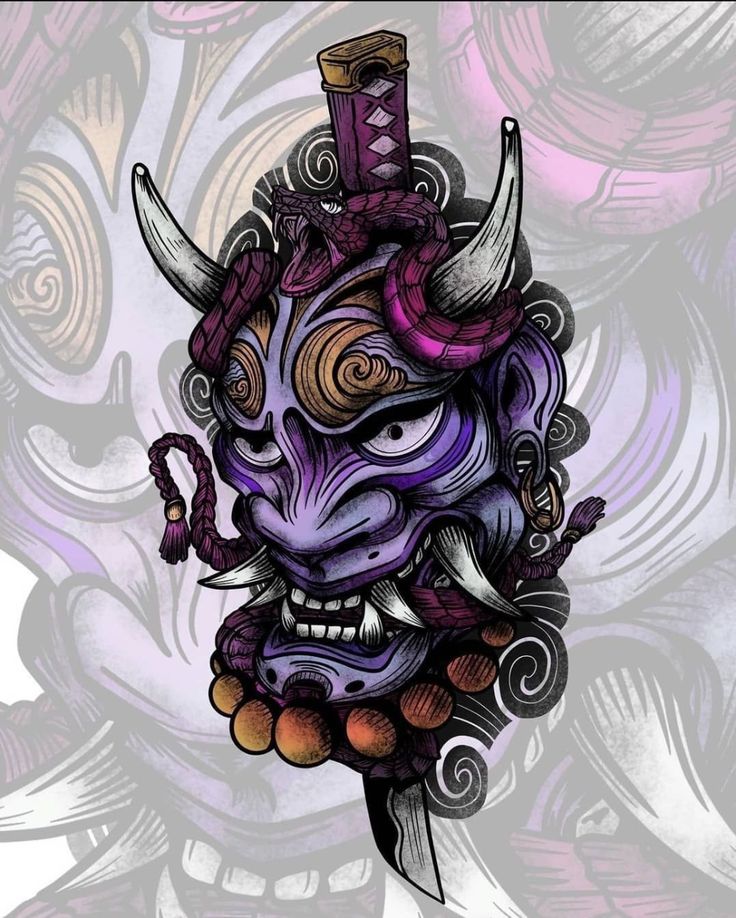
190+ Oni Mask Tattoo Designs with Meaning(2024)
Selection from Pinterest
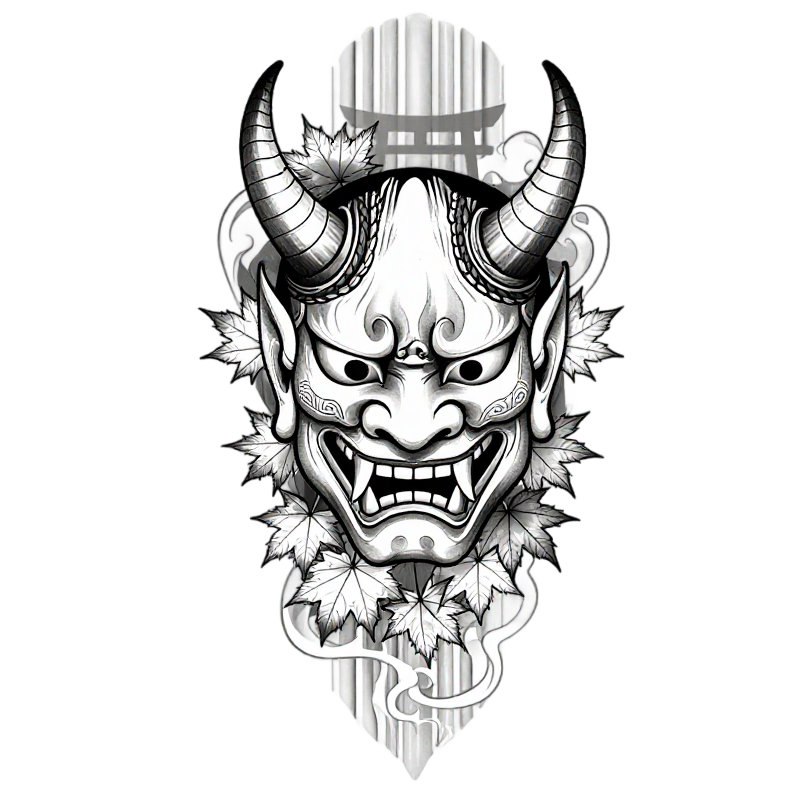
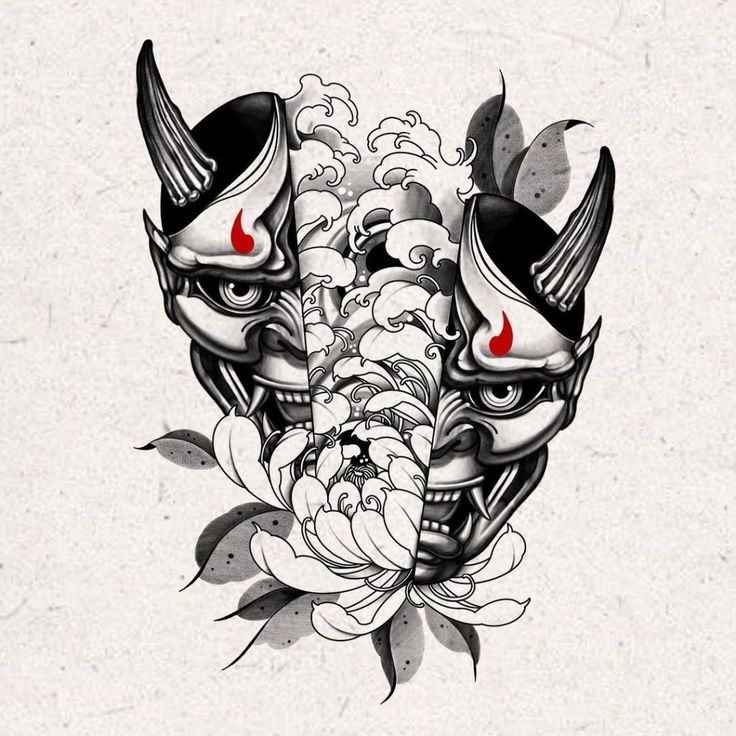
190+ Oni Mask Tattoo Designs with Meaning(2024)
Selection from Pinterest
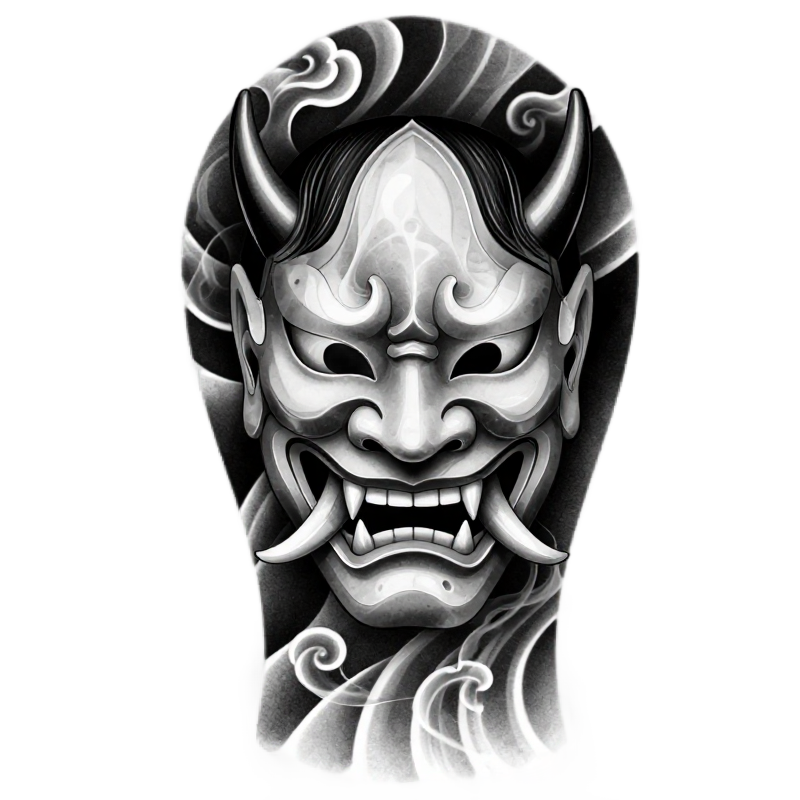
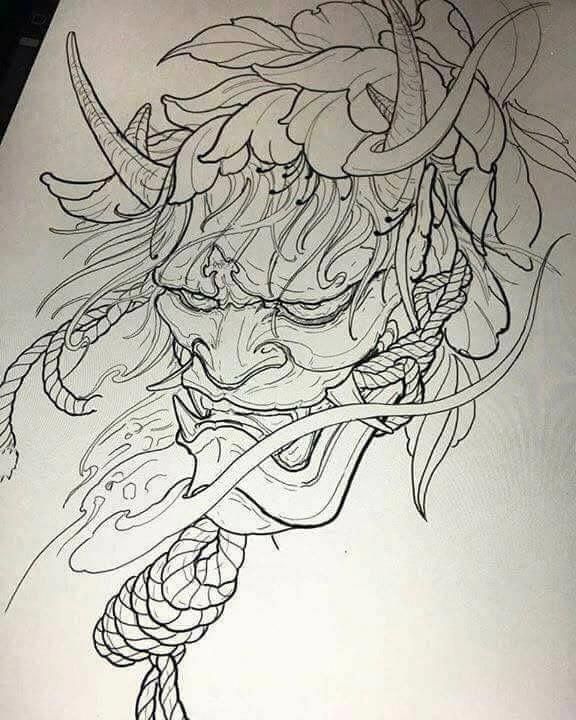
250+ Hannya Mask Tattoo Designs With Meaning (2024) Japanese Oni Demon
Selection from Pinterest
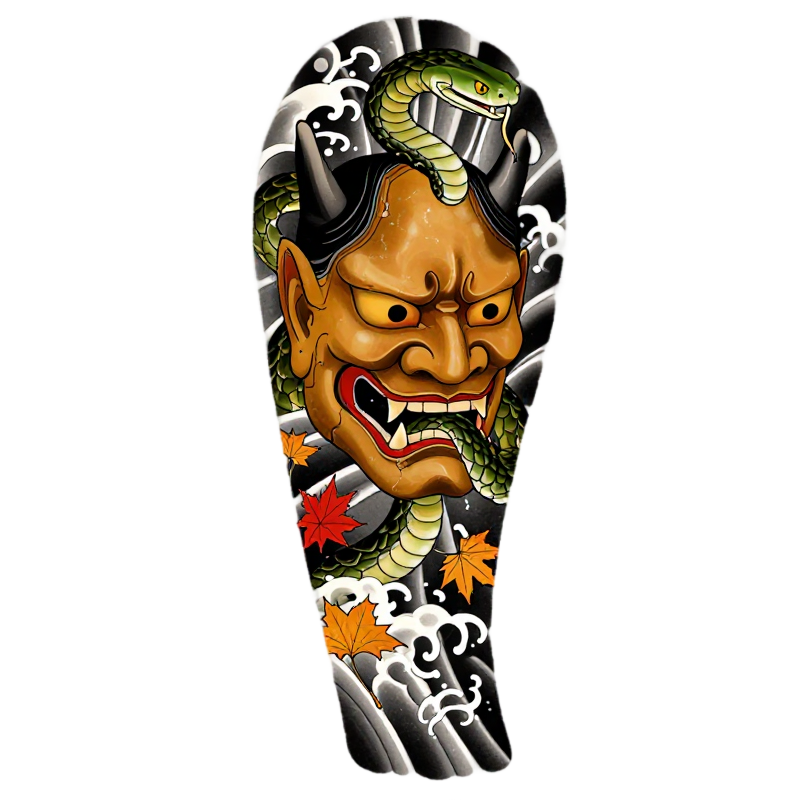
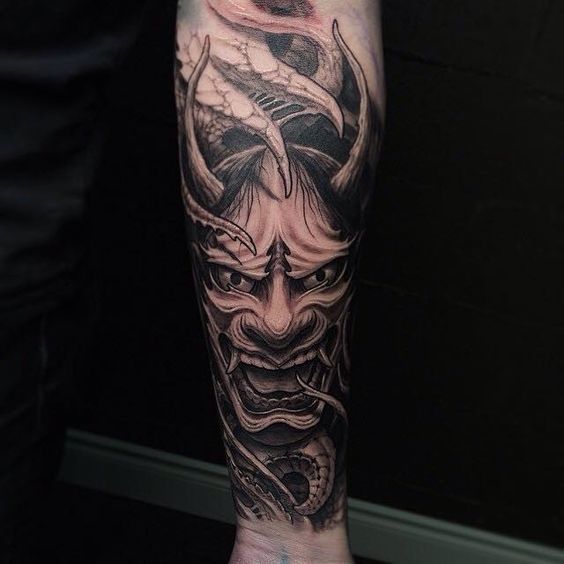
35 Oni Mask Tattoos With Mysterious and Powerful Meanings - TattoosWin
Selection from Pinterest
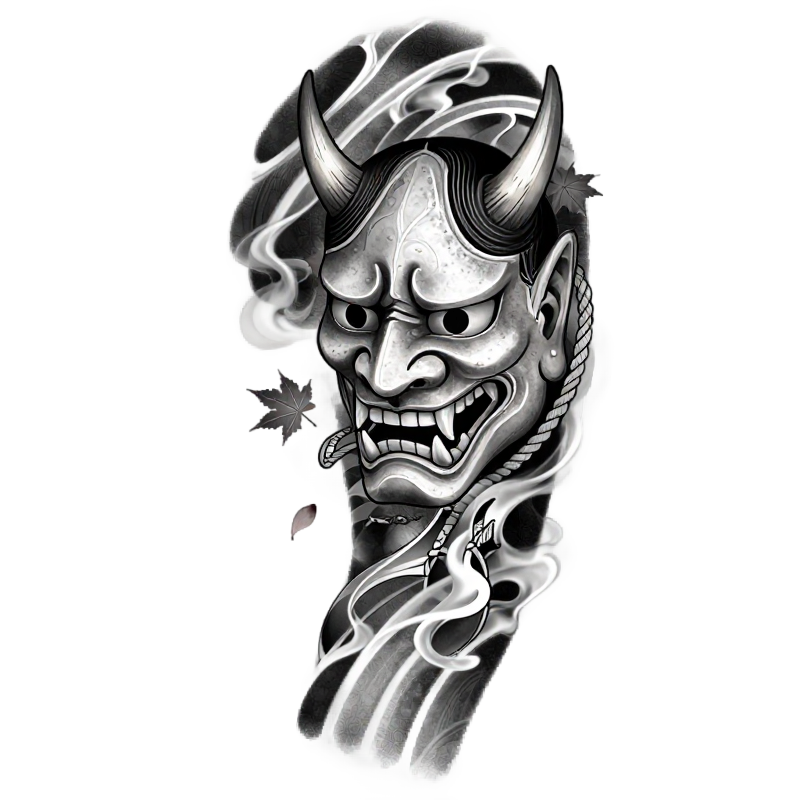
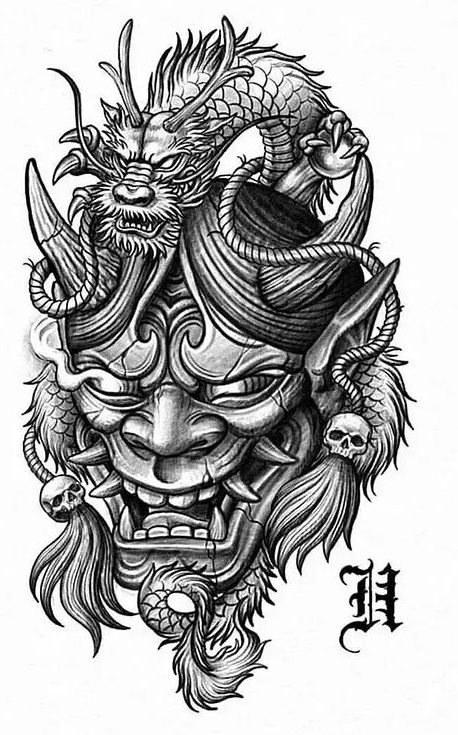
Pin by Brandon Tucker on tattooss | Dragon tattoo, Tattoos, Tattoo sleeve designs
Selection from Pinterest
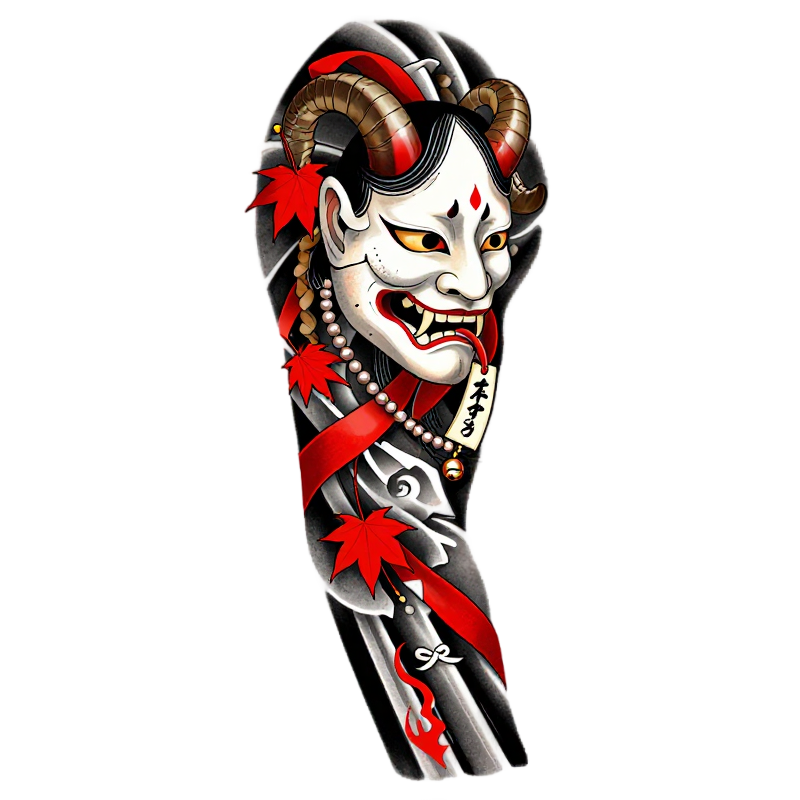
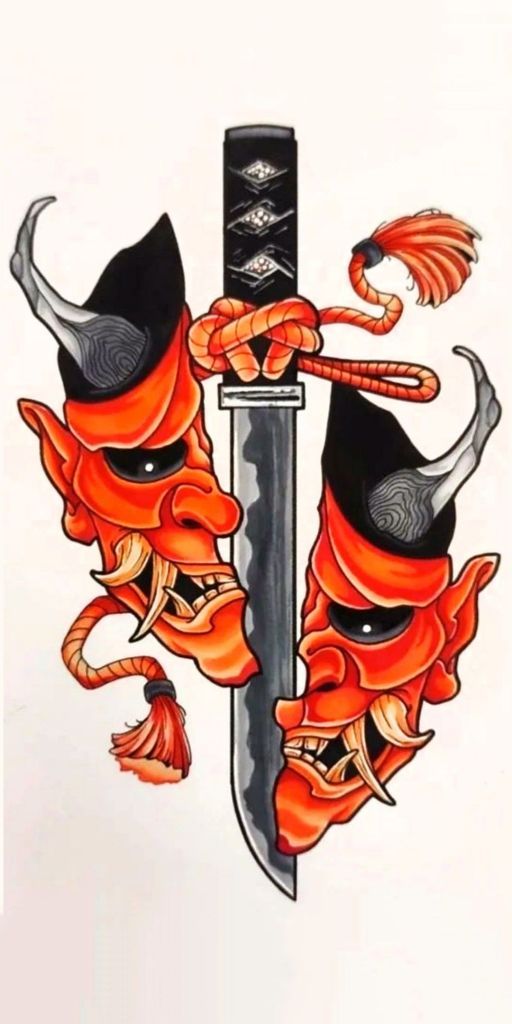
190+ Oni Mask Tattoo Designs with Meaning(2024)
Selection from Pinterest
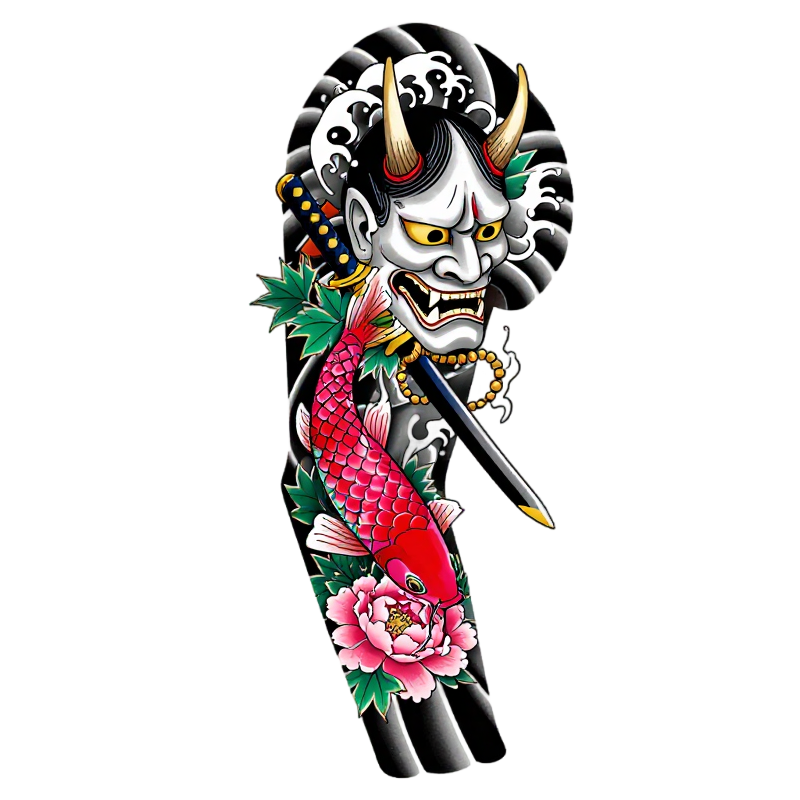
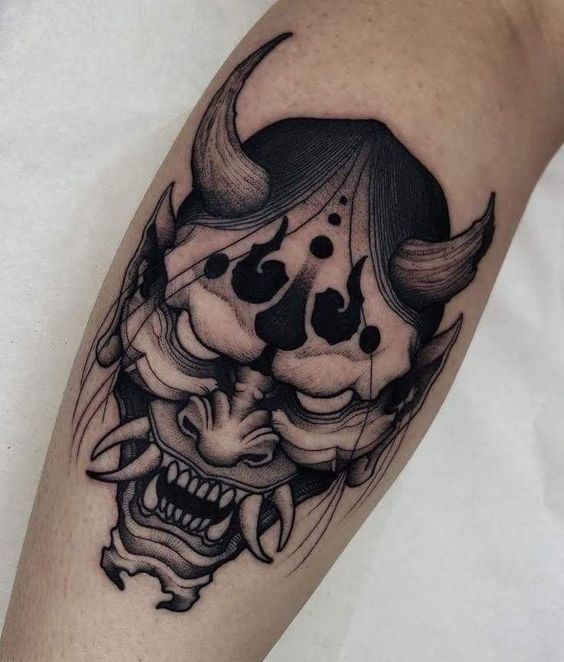
190+ Oni Mask Tattoo Designs with Meaning(2024)
Selection from Pinterest
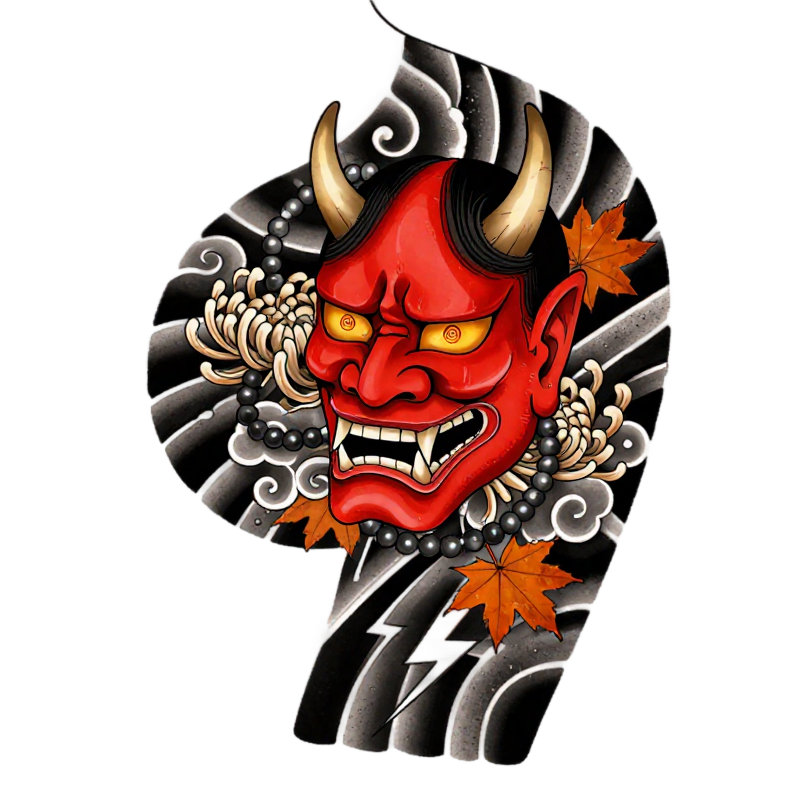
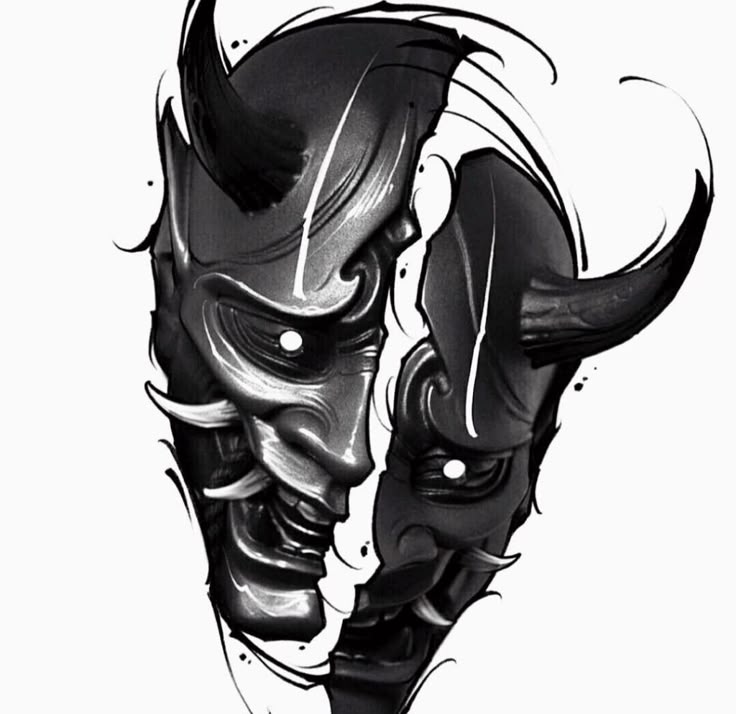
190+ Oni Mask Tattoo Designs with Meaning(2024)
Selection from Pinterest
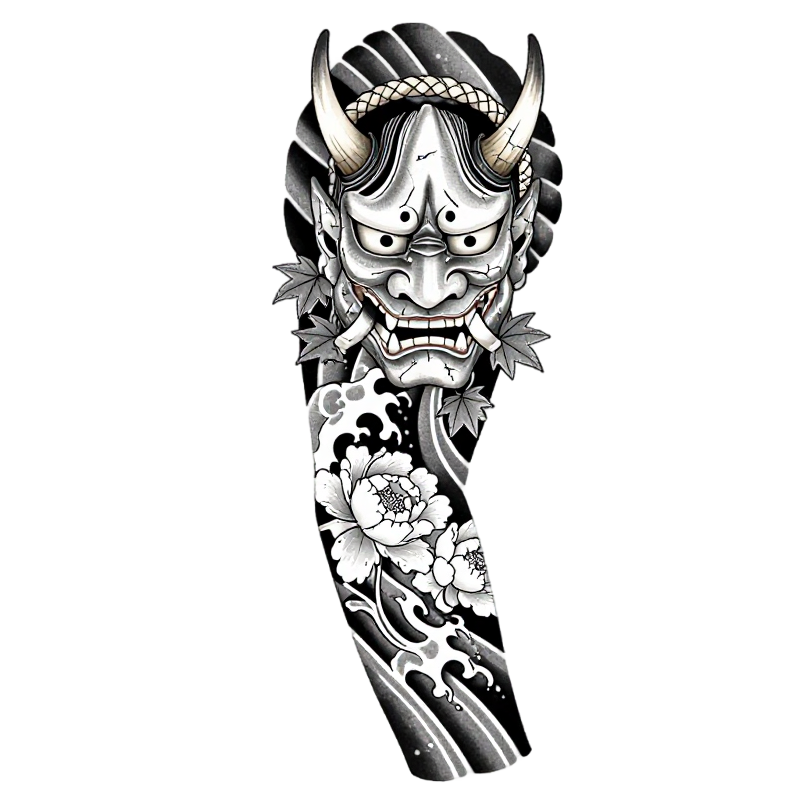
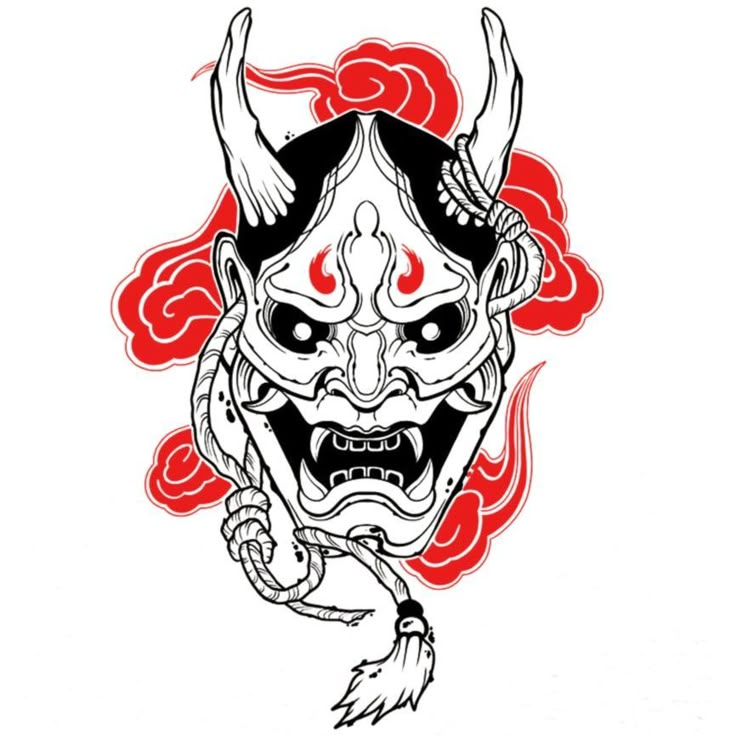
190+ Oni Mask Tattoo Designs with Meaning(2024)
Selection from Pinterest
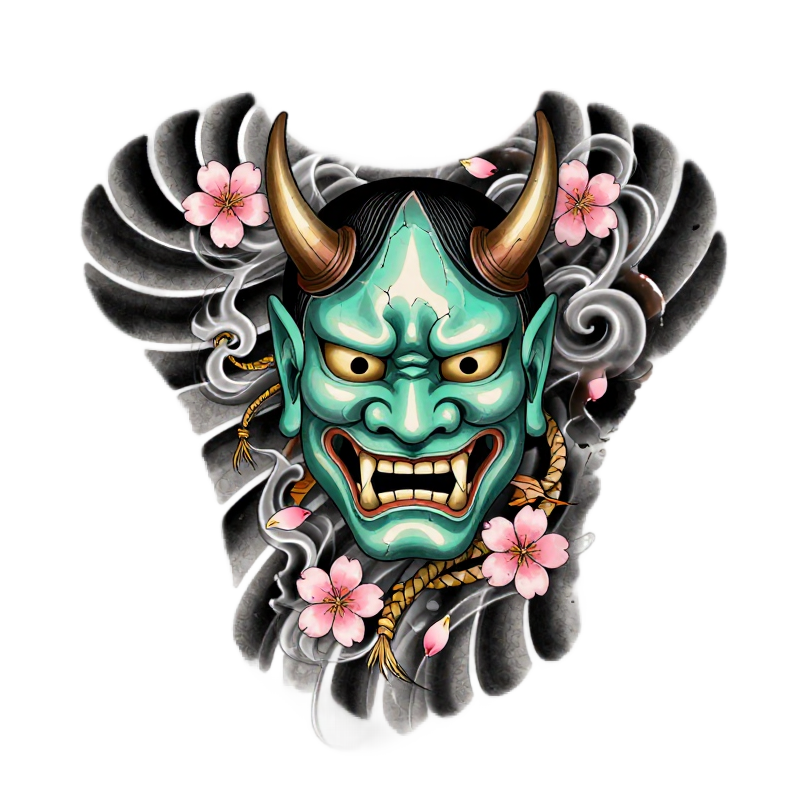
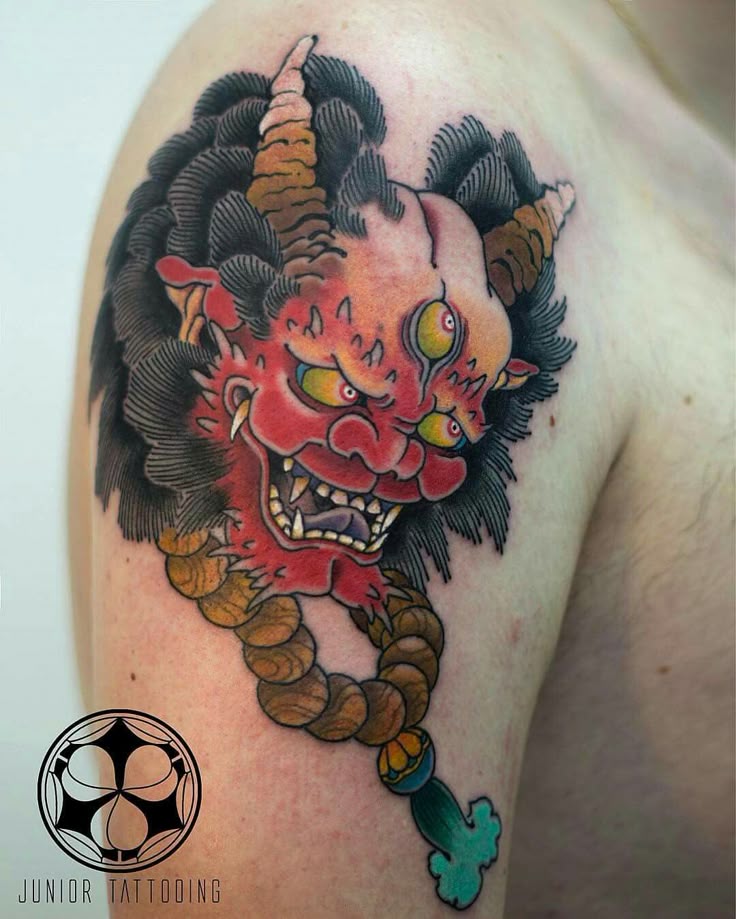
Pin by Cédric Stegre on Japanese tattoo | Traditional japanese tattoo designs, Japanese tattoo designs, Traditional
Selection from Pinterest
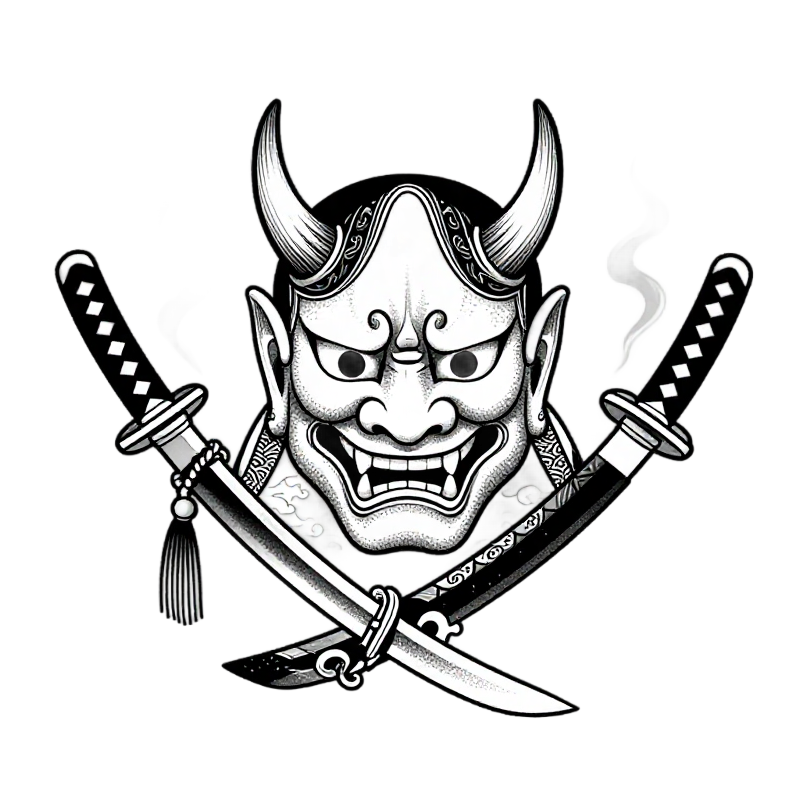
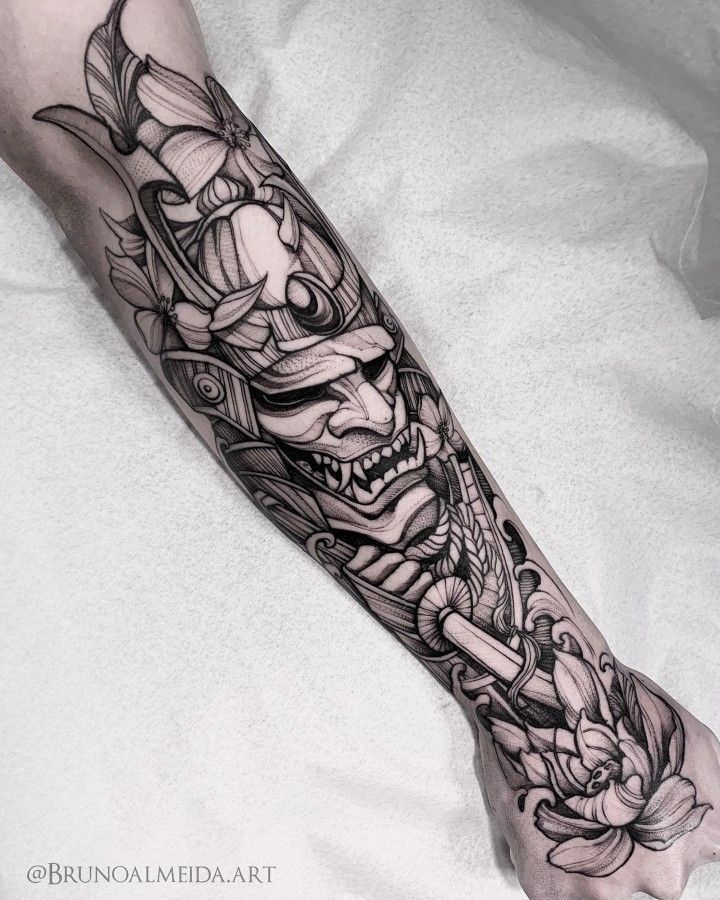
190+ Oni Mask Tattoo Designs with Meaning(2024)
Selection from Pinterest
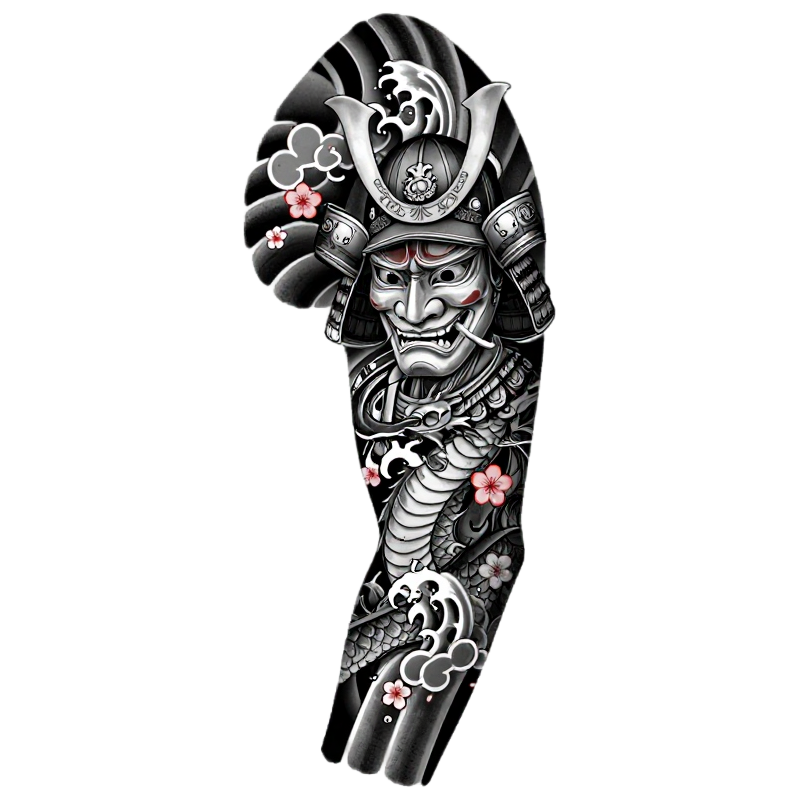
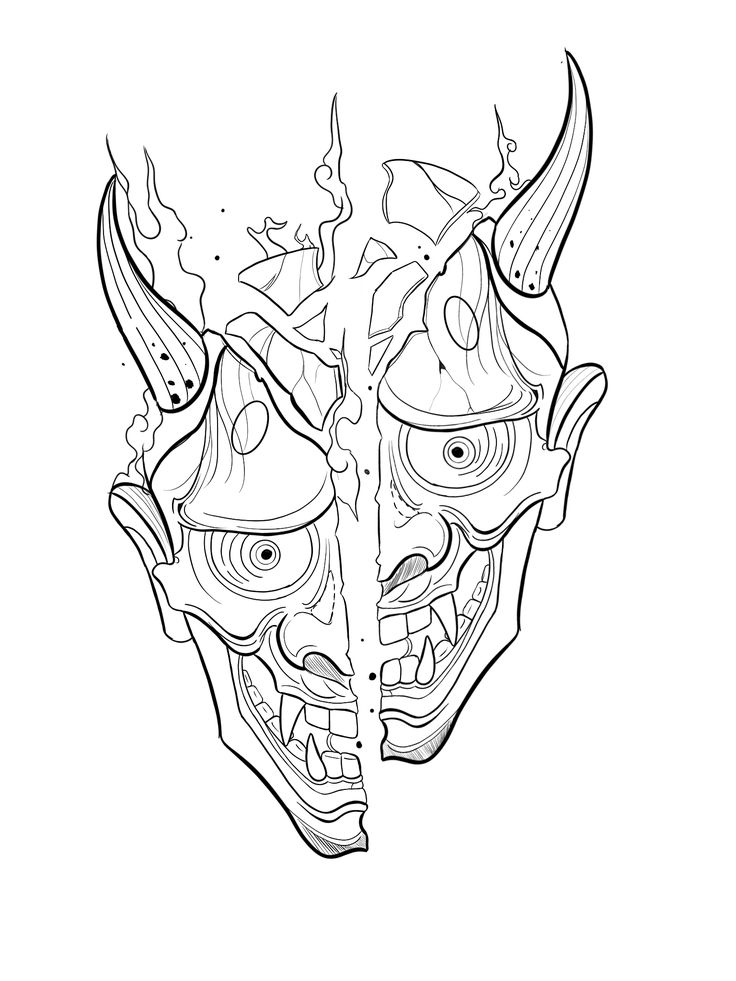
190+ Oni Mask Tattoo Designs with Meaning(2024)
Selection from Pinterest
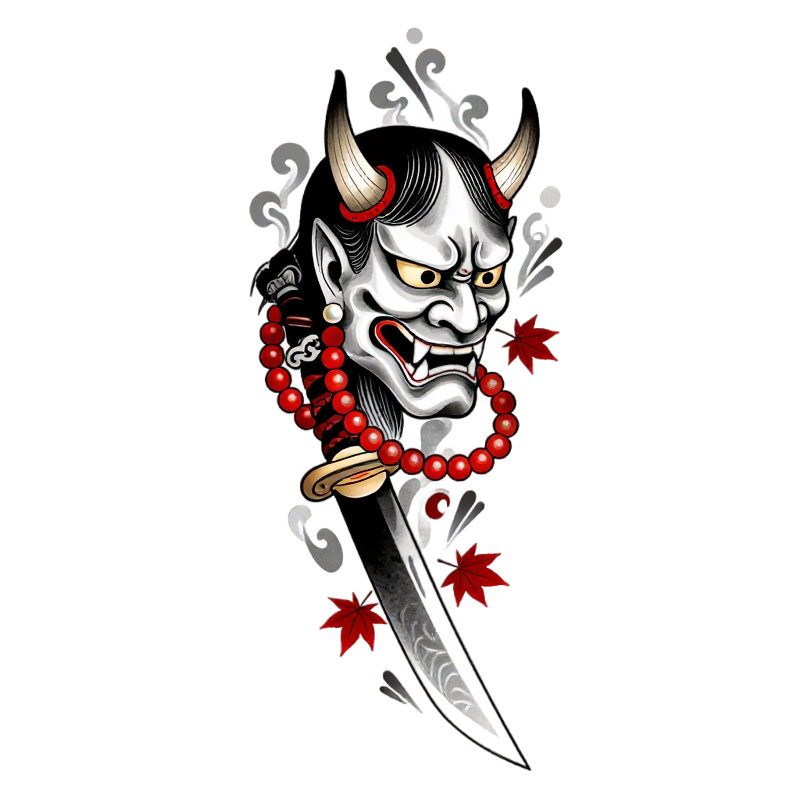
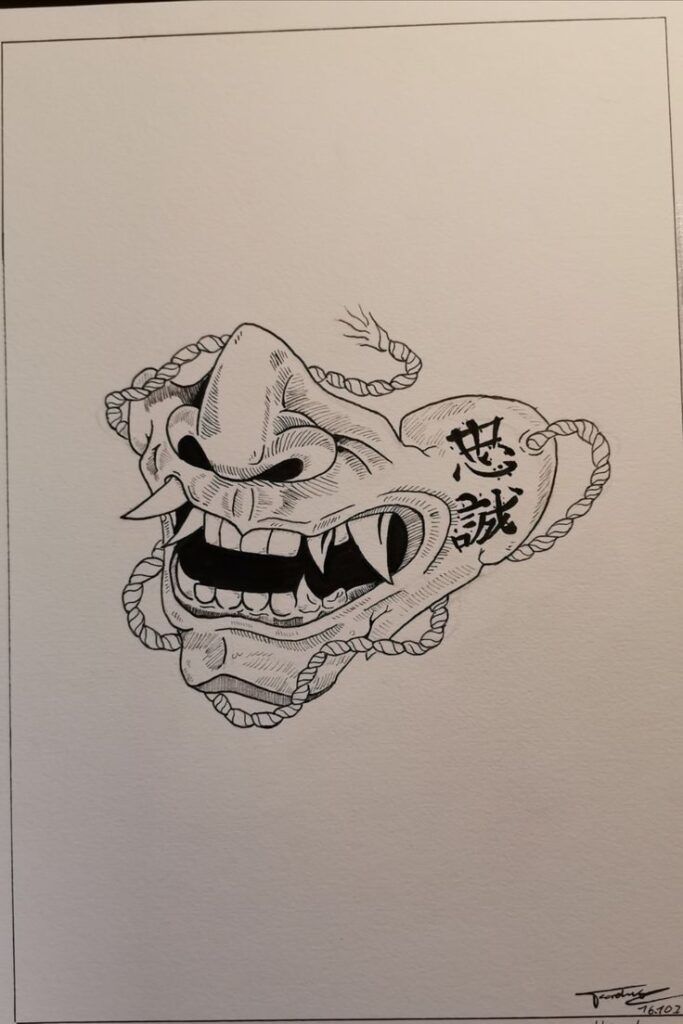
190+ Oni Mask Tattoo Designs with Meaning(2024)
Selection from Pinterest
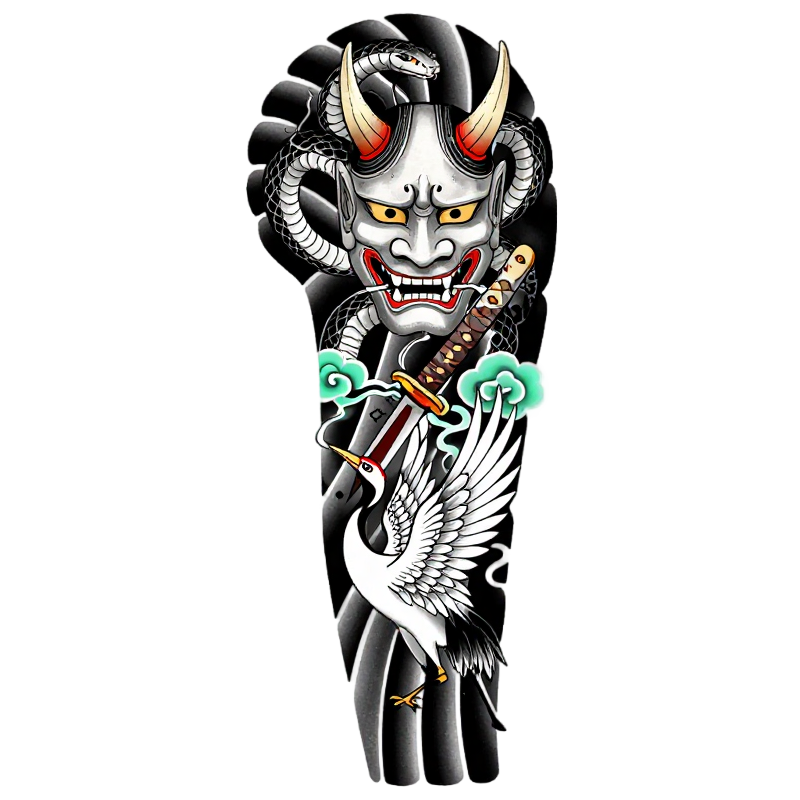
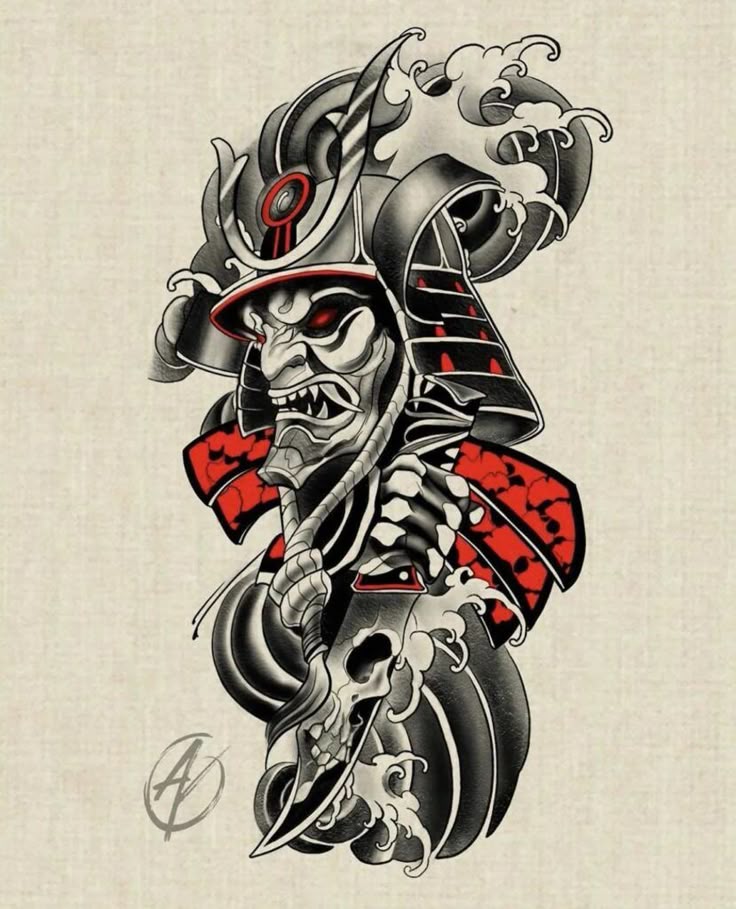
190+ Oni Mask Tattoo Designs with Meaning(2024)
Selection from Pinterest
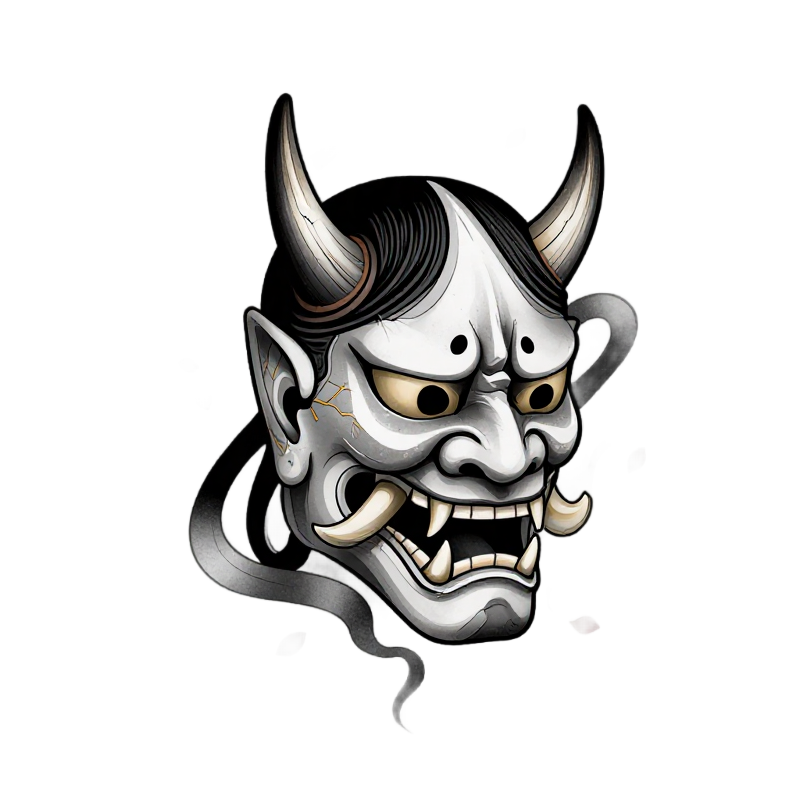
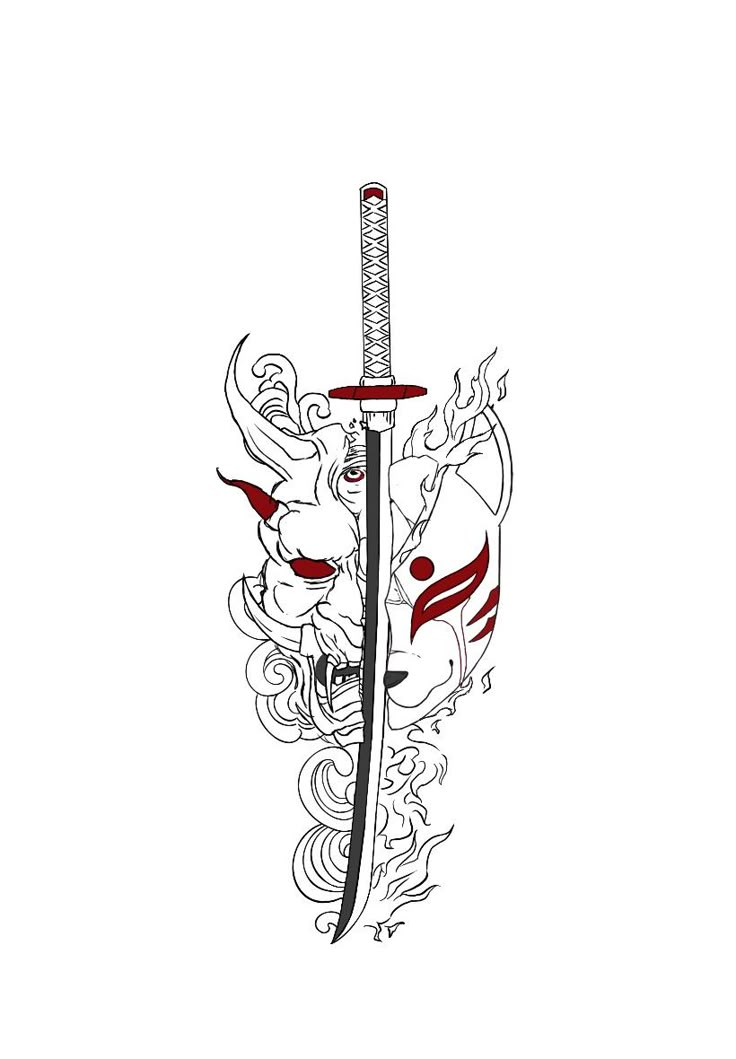
Oni/Kitsune Mask Tattoo
Selection from Pinterest
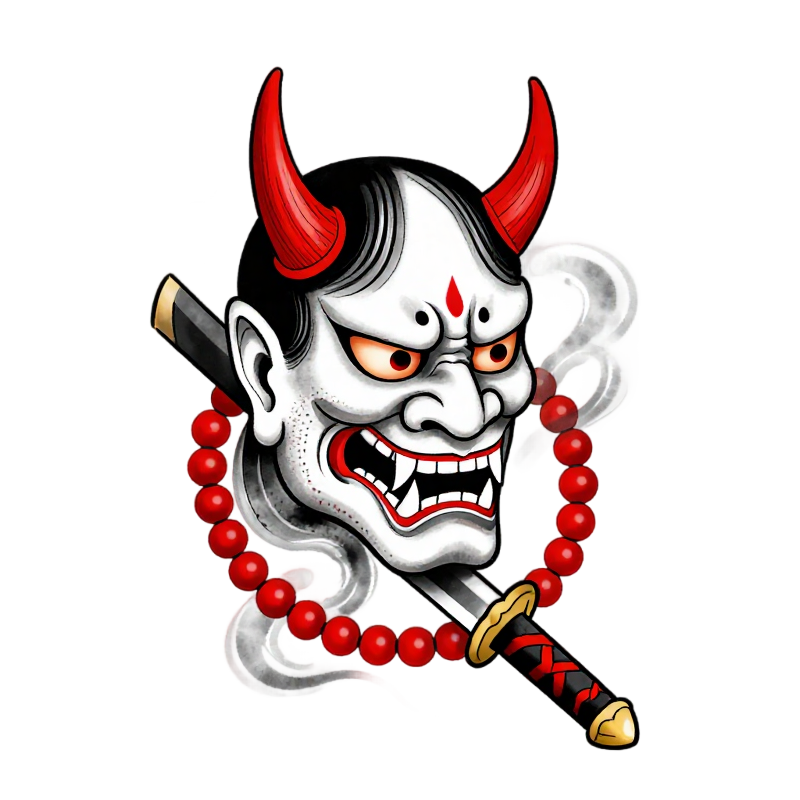
60+ Oni Mask Tattoo Ideas & Trending Drawings - AI Tattoo Lab
Selection from Pinterest
Pin by Ben Nguyen on Tattoo Ideas | Oni tattoo, Japanese mask tattoo, Tattoo drawings
Selection from Pinterest
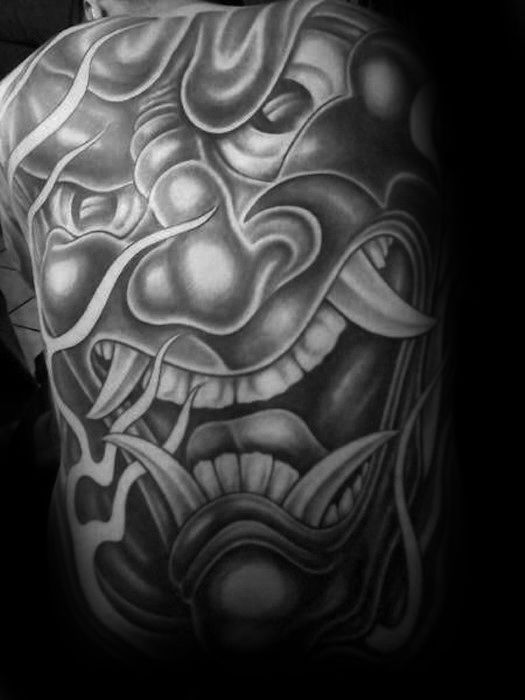
53 Cool Japanese Demon Tattoo Designs for Men
Selection from Pinterest
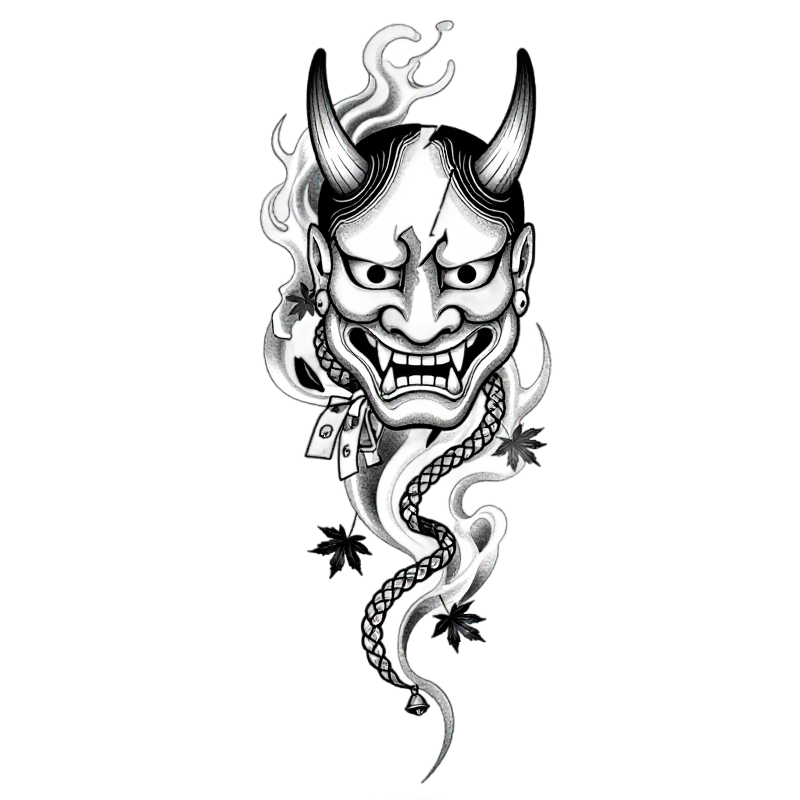
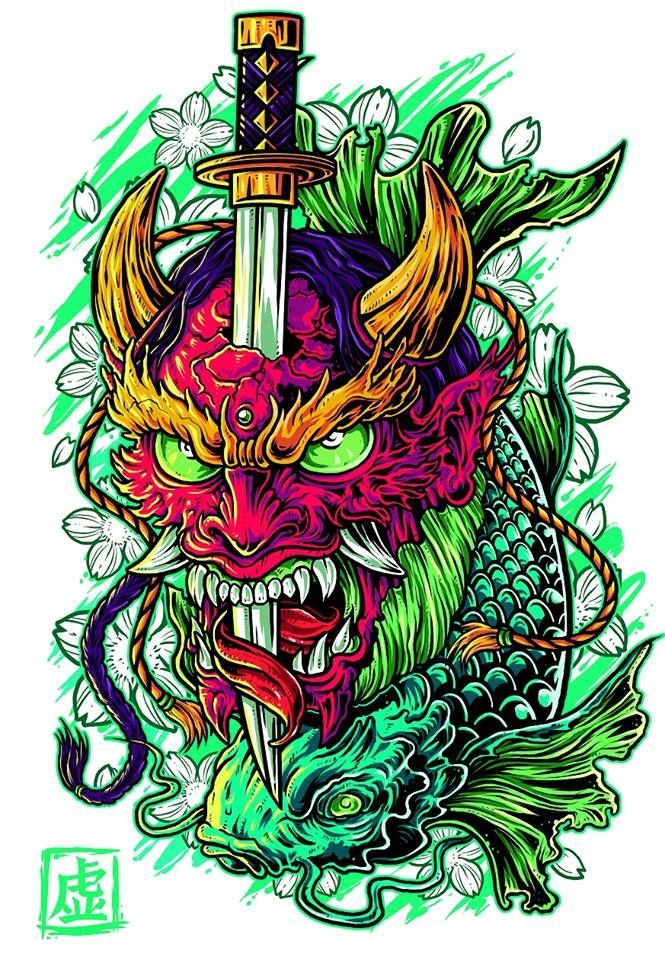
190+ Oni Mask Tattoo Designs with Meaning(2024)
Selection from Pinterest
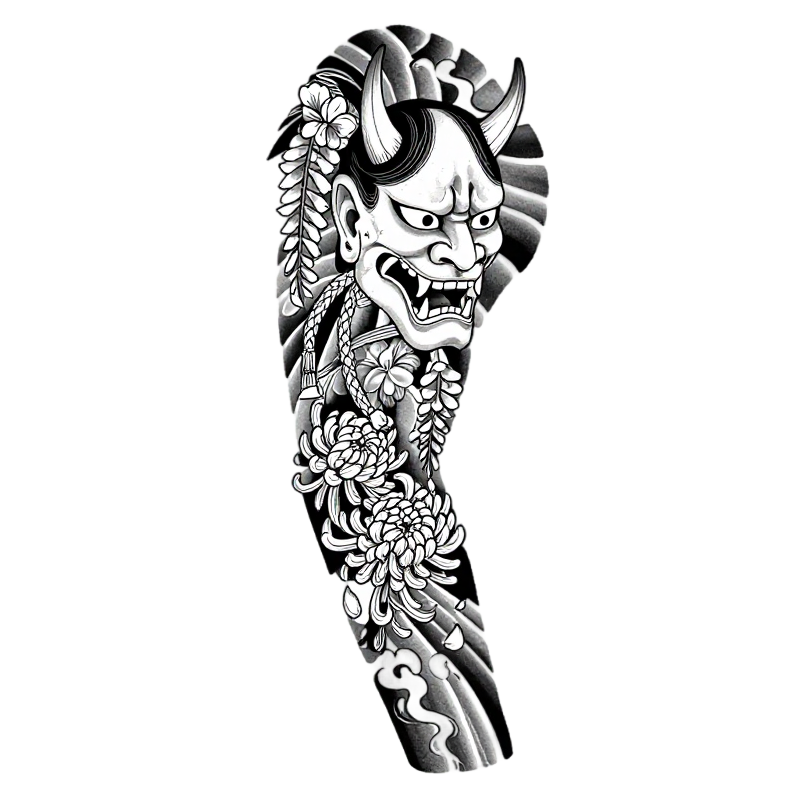
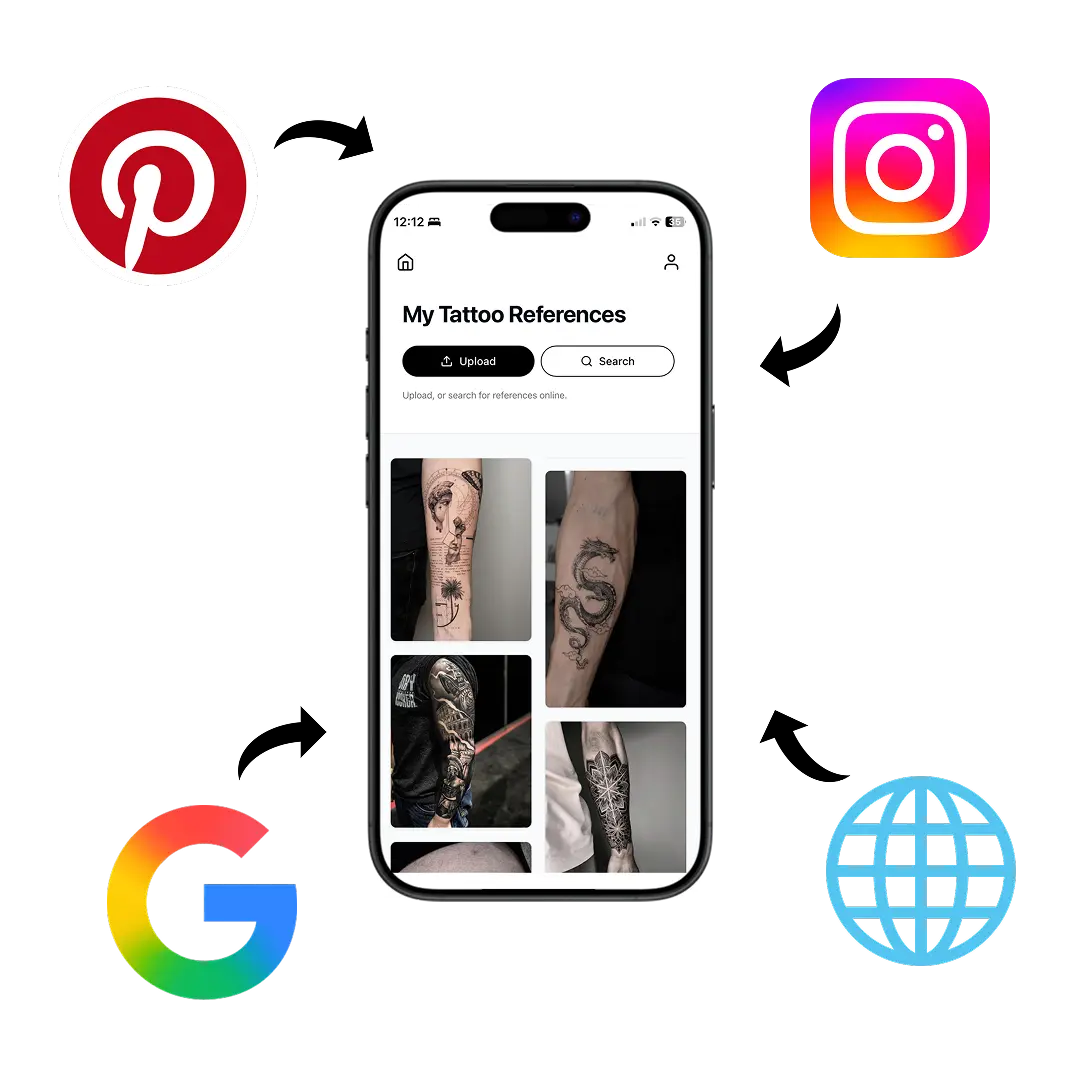
One App to Store All Your Tattoo Ideas
Store your tattoo ideas in one place and Virtual Try-On them on your body!


Avoid Regrets with 3D Virtual Try-On!
Do a 3D Virtual Try-On to see how your tattoo design looks like on your body before you get it tattooed. Powered by Tatship's AI and 3D technology.



Historical Origins and Evolution of Oni mask Tattoos
Historical Significance
The Oni mask has a long-standing history in Japanese folklore and theater. Oni are often featured in traditional Japanese Noh and Kabuki performances, where actors wear elaborate masks to portray these mythical creatures. The masks are crafted to evoke fear and awe, reflecting the dual nature of Oni as both protectors and malevolent beings.
Historically, Oni were believed to be spirits of the dead or fallen warriors, and their masks were used in rituals to ward off evil spirits. Over time, the Oni mask has become a popular motif in Japanese art and tattoo culture, symbolizing the complex interplay between good and evil.