Pennywise Tattoo Ideas, Designs and Meaning
Meaning of Pennywise Tattoos
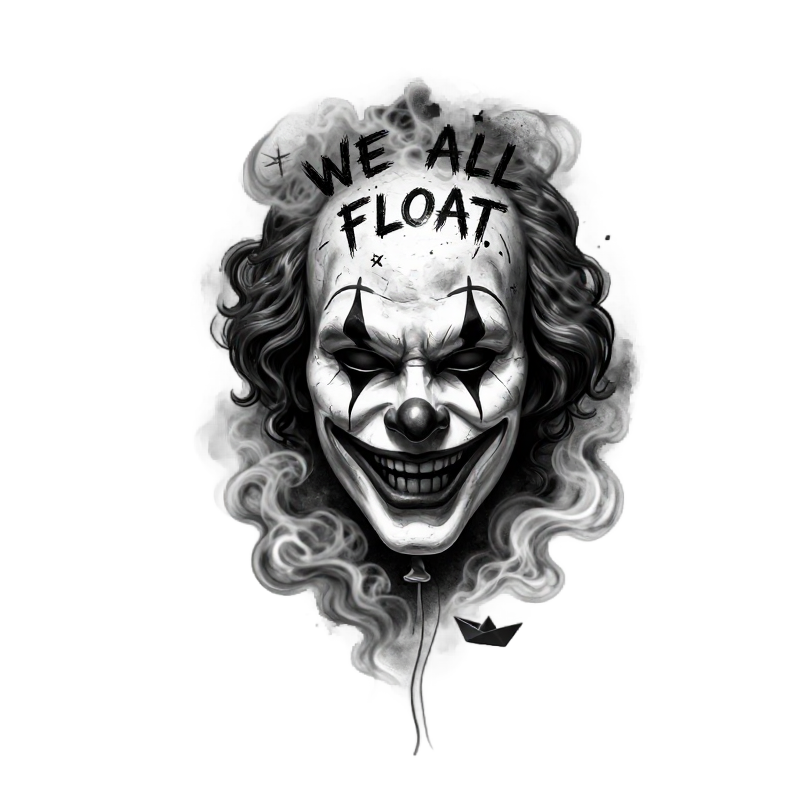
- A Pennywise tattoo typically represents a fascination with horror and the macabre, as Pennywise is the iconic clown from Stephen King's novel "It."
- This tattoo often symbolizes the fear of the unknown and the power of overcoming personal fears, as Pennywise embodies the deepest fears of the characters in the story.
- Culturally, Pennywise has become a symbol of horror and suspense, especially after the success of the film adaptations in 1990 and 2017.
- Historically, clowns have been both entertaining and terrifying figures, and Pennywise amplifies this duality, making it a popular choice for those who appreciate this complex symbolism.
- The tattoo can also signify a love for Stephen King's work or a connection to the themes of childhood trauma and resilience explored in "It."
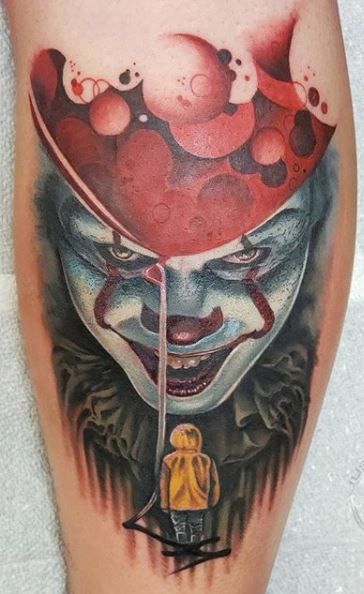
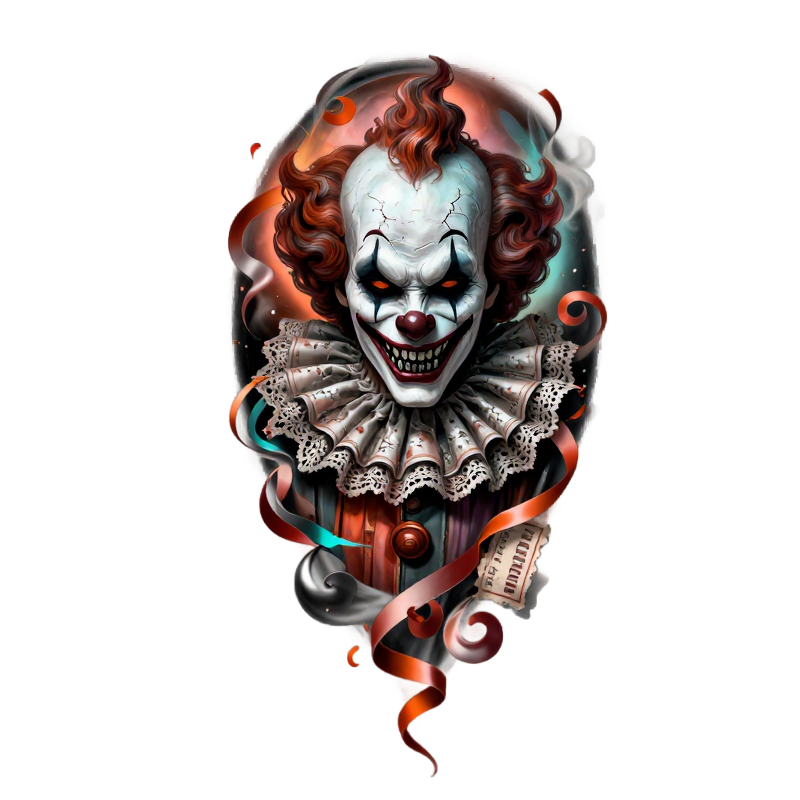
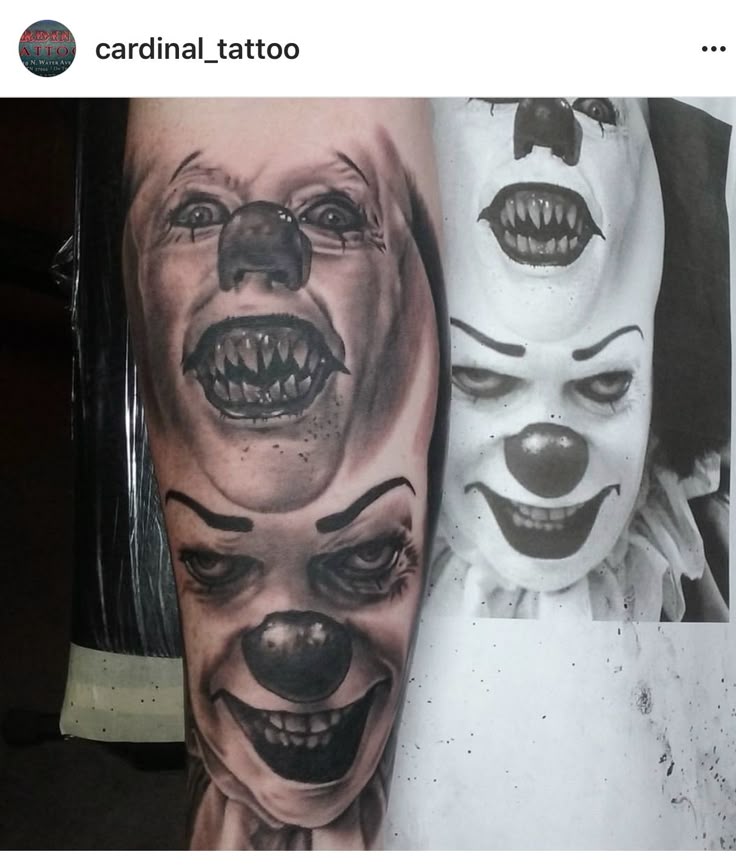
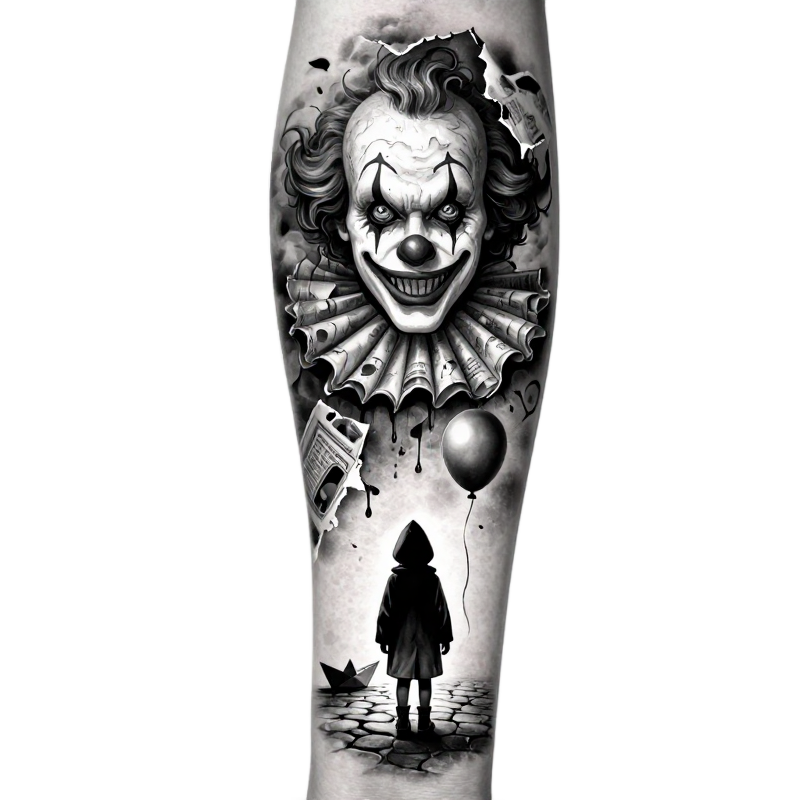
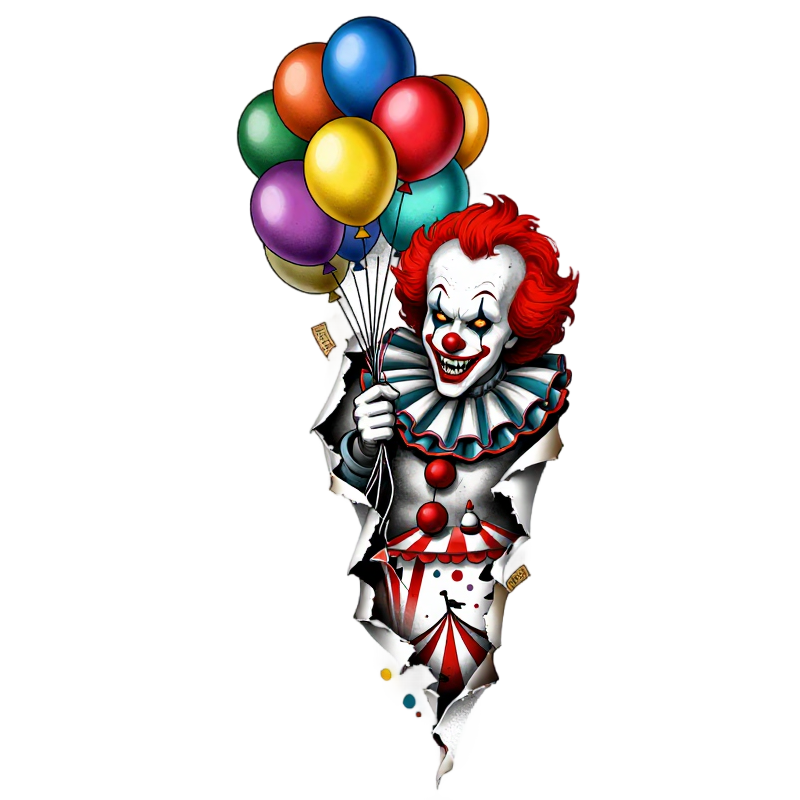
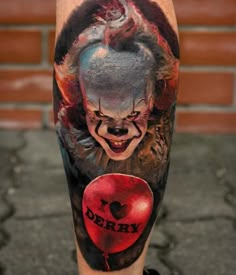
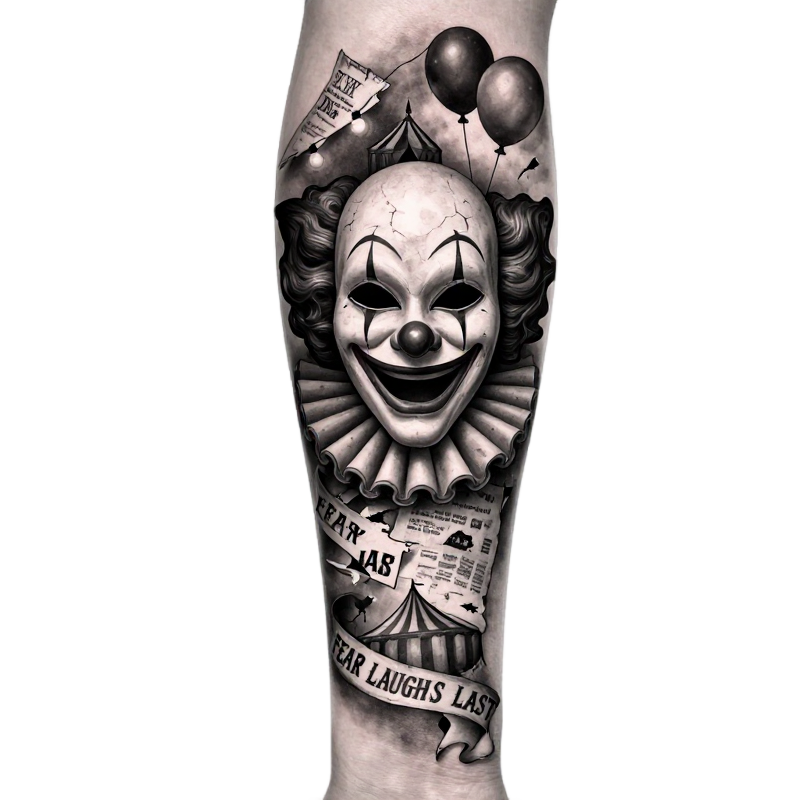
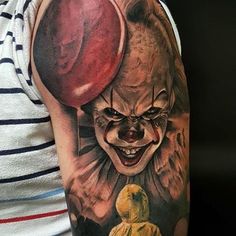
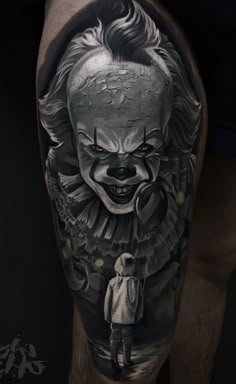
- Pennywise tattoos are often depicted in a realistic or neo-traditional style to capture the character's eerie and unsettling appearance.
- While not gender-specific, this tattoo idea is popular among horror enthusiasts and those who enjoy darker themes in body art.
- Common placements for a Pennywise tattoo include the arm, leg, or back, allowing for detailed designs that capture the character's menacing expression.
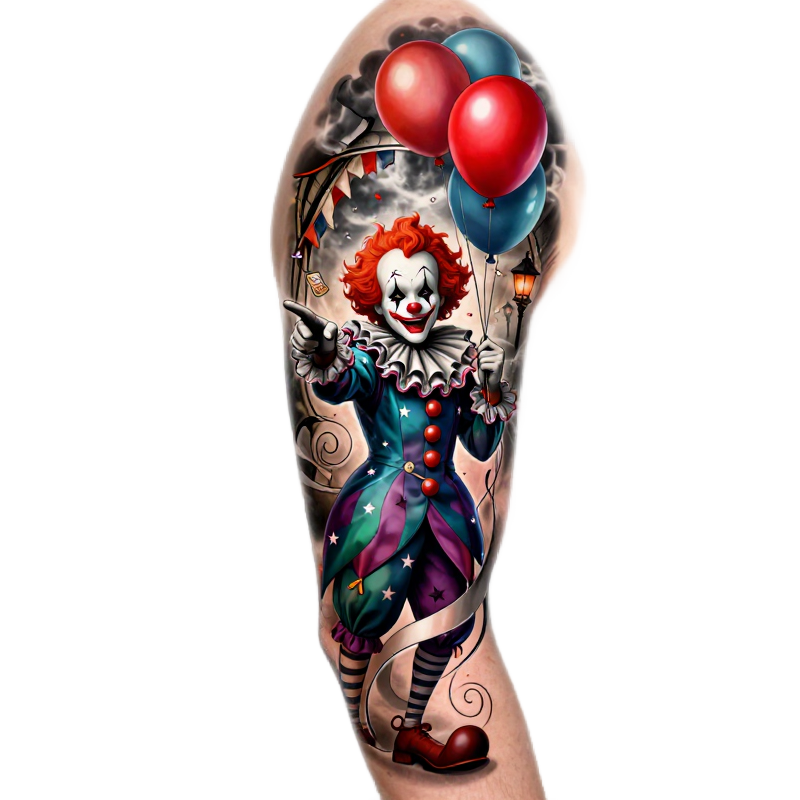
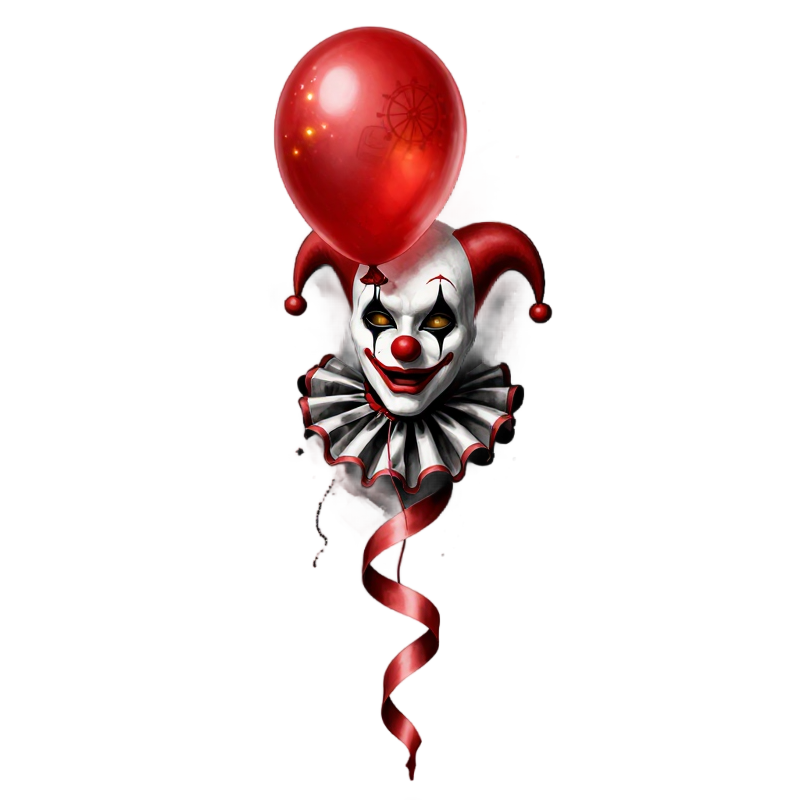
- The tattoo can be customized with elements from the story, such as red balloons or the phrase "You'll float too," to enhance its meaning and personal significance.
2,170 Tattoo Ideas

Clown Tattoos - Ideas & Meaning PLUS 24 Photos & Designs
Selection from Pinterest

Pin by Mary Ann Garcia on Tattoo ideas | Horror movie tattoos, Scary tattoos, Spooky tattoos
Selection from Pinterest

Discover 9 It Tattoos and Pennywise Balloon Tattoo Ideas | stephen king inspired tattoos, simple drawing of a clown, pennywise quotes and more
Selection from Pinterest
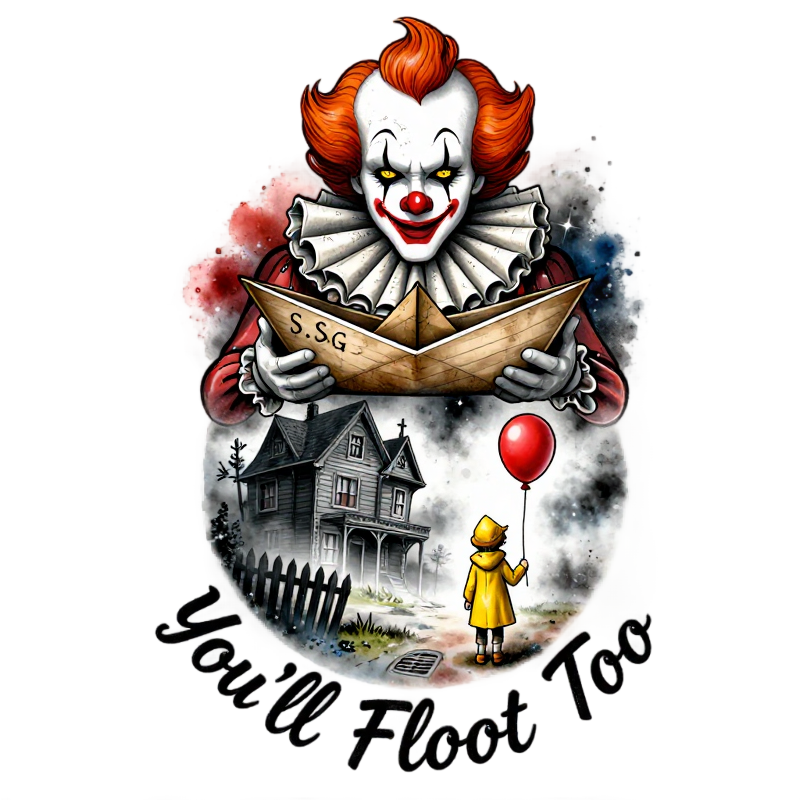
Discover 53 Pennywise Tattoo and Horror Movie Tattoos Ideas | clown tattoo, freddy krueger tattoo, michael myers forearm tattoo and more
Selection from Pinterest
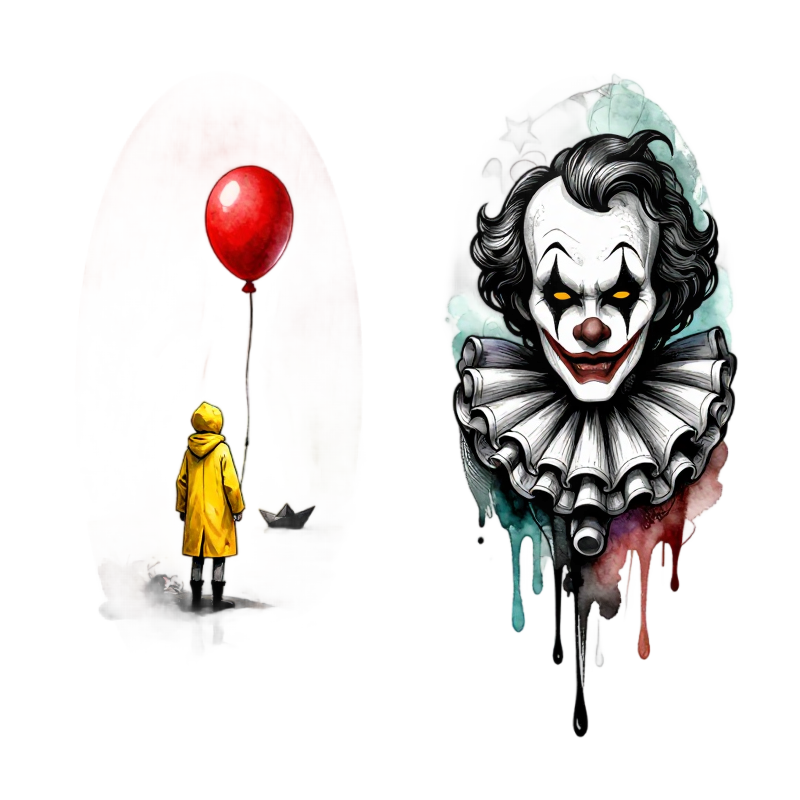
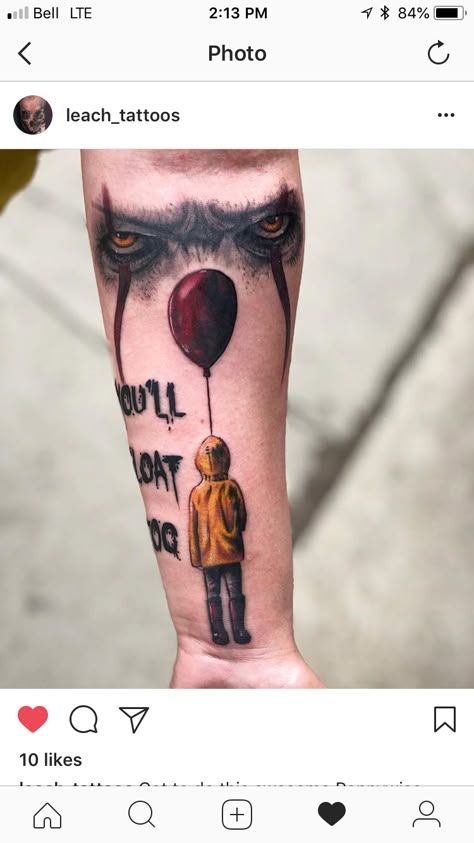
13 Tattoo ideas | pennywise tattoo, movie tattoos, clown tattoo
Selection from Pinterest
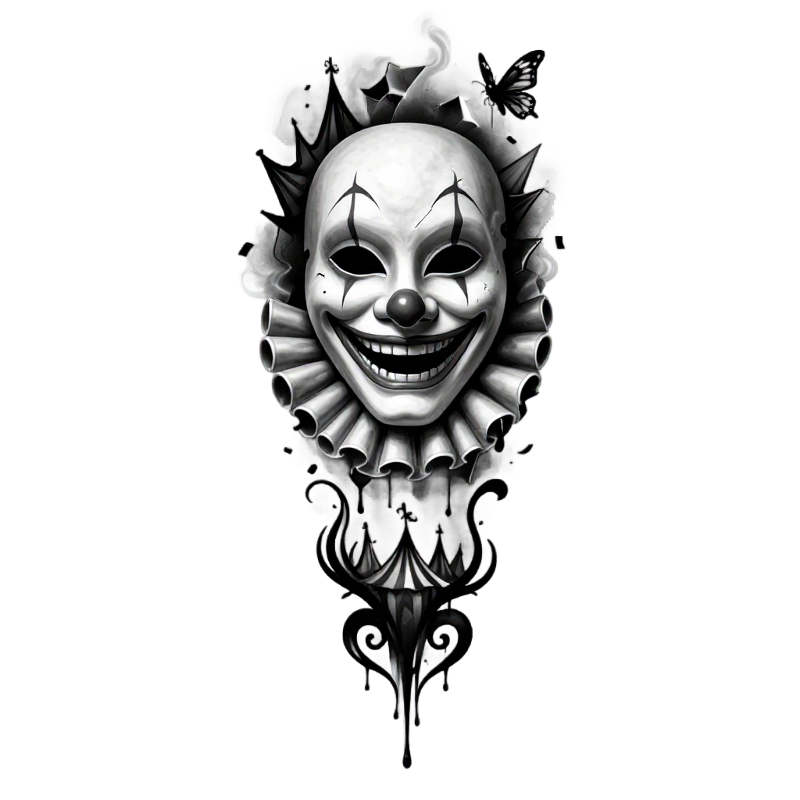
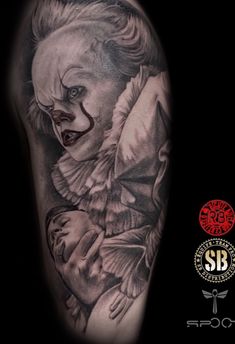
8 Pennywise tattoo ideas | pennywise tattoo, horror tattoo, clown tattoo
Selection from Pinterest
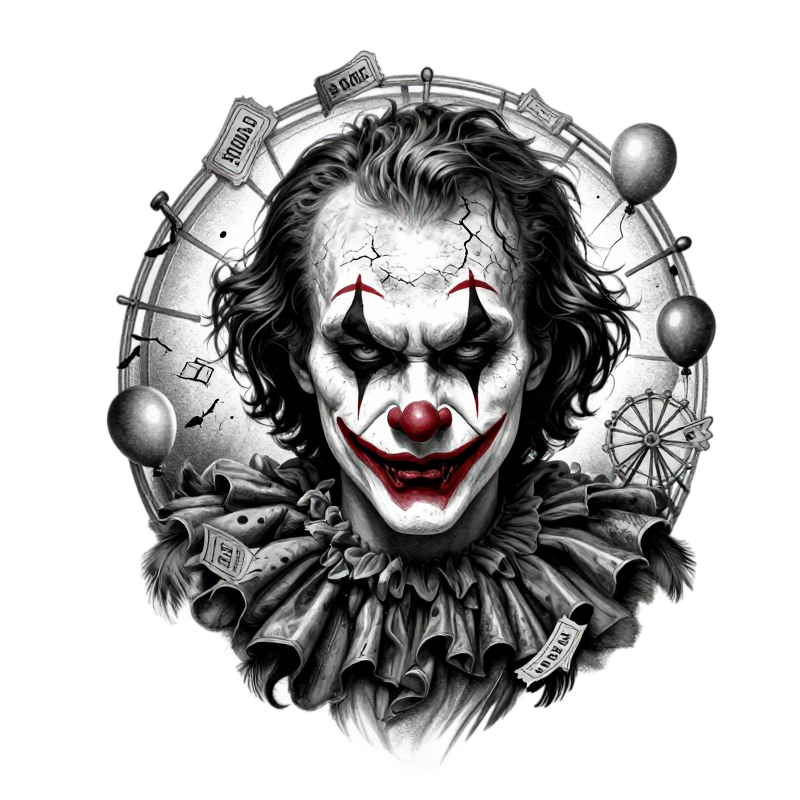
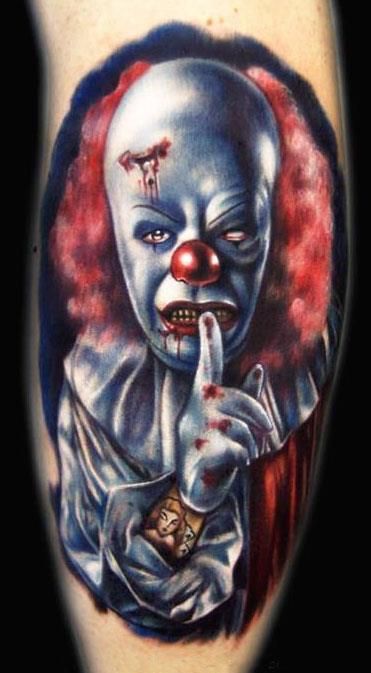
Pennywise ~ IT tattoo
Selection from Pinterest
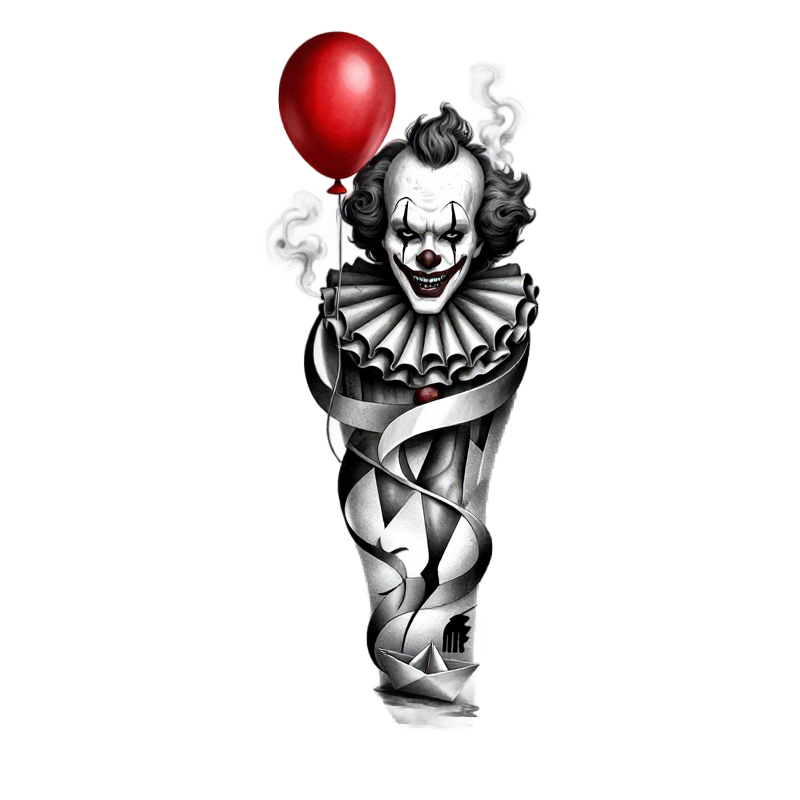
10 Pennywise tattoo ideas | pennywise tattoo, movie tattoos, clown tattoo
Selection from Pinterest
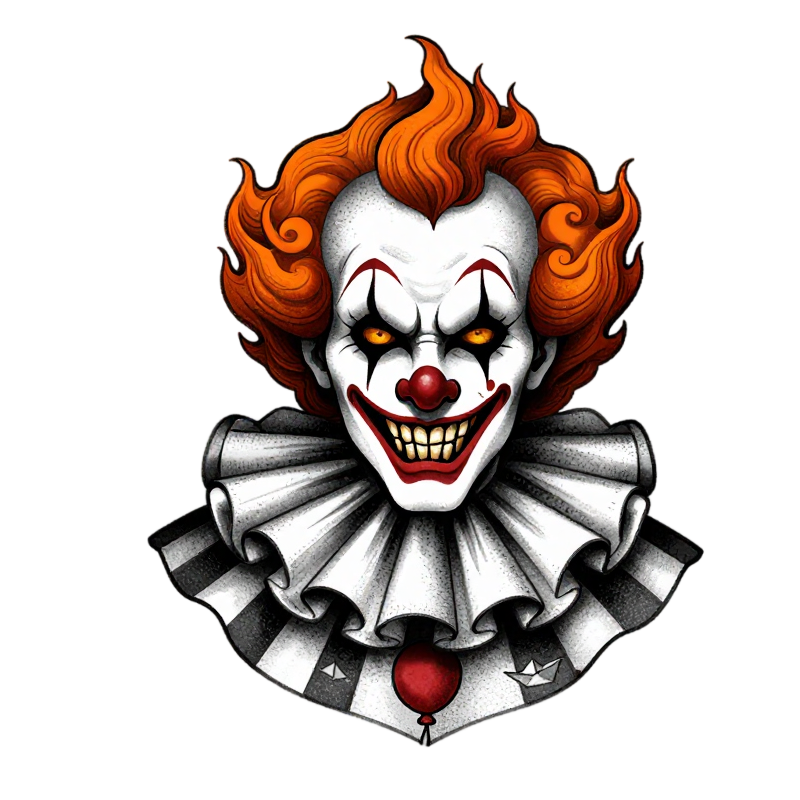
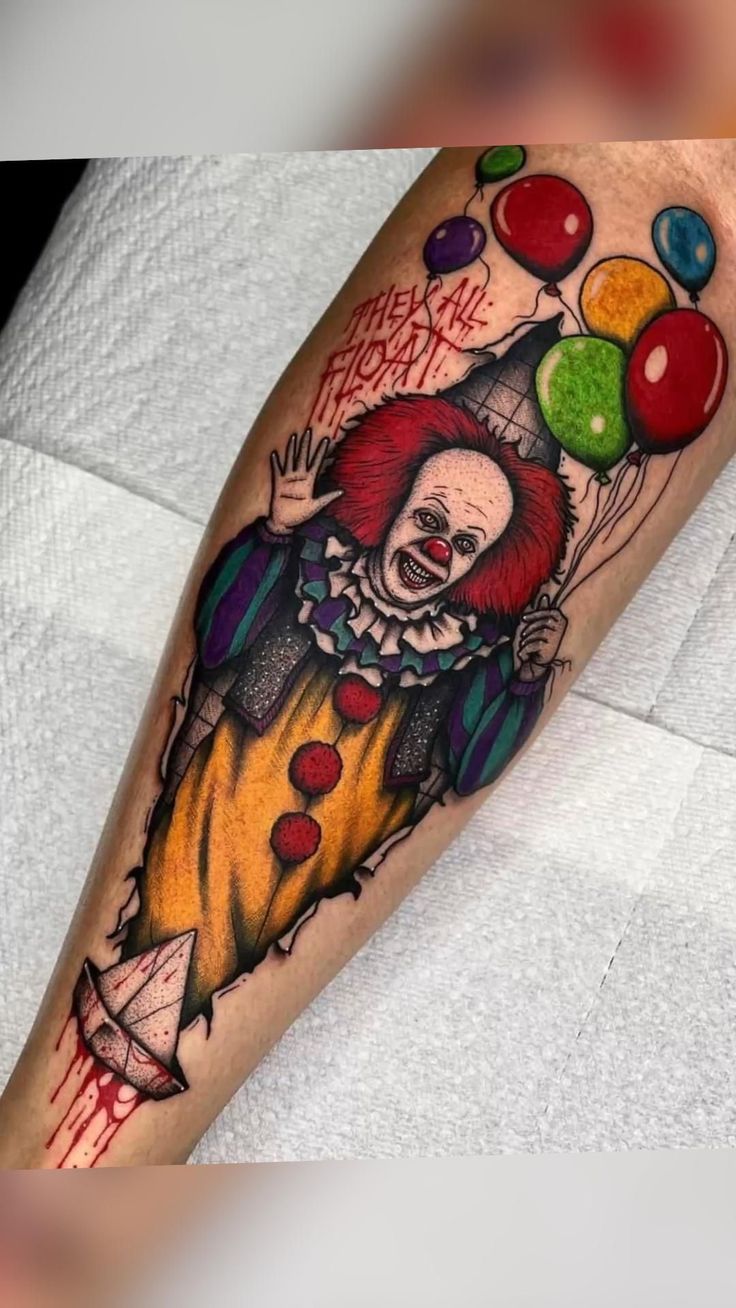
Pin by Jenna Lynn Myers on Pennywise Tattoo Design ideas | Movie tattoos, Pennywise tattoo, Clown
Selection from Pinterest
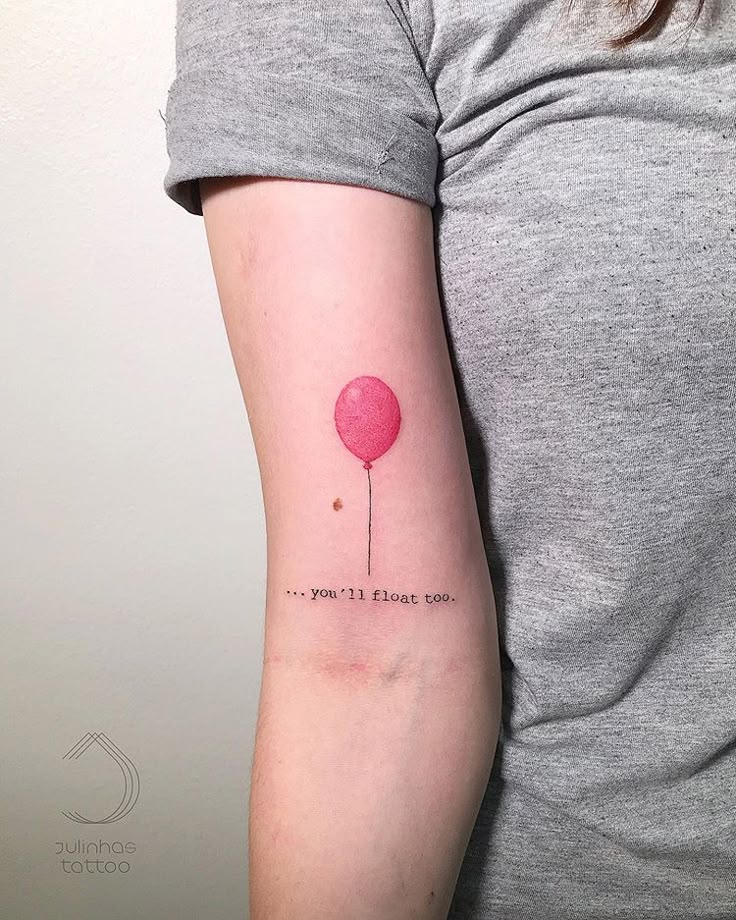
It, a coisa 🎈 #tattoobh #tatuagembh #tattoobalao #tattooit #ittattoo #redballoontattoo #balloontattoo #tattoo… | Pennywise tattoo, Cool
Selection from Pinterest
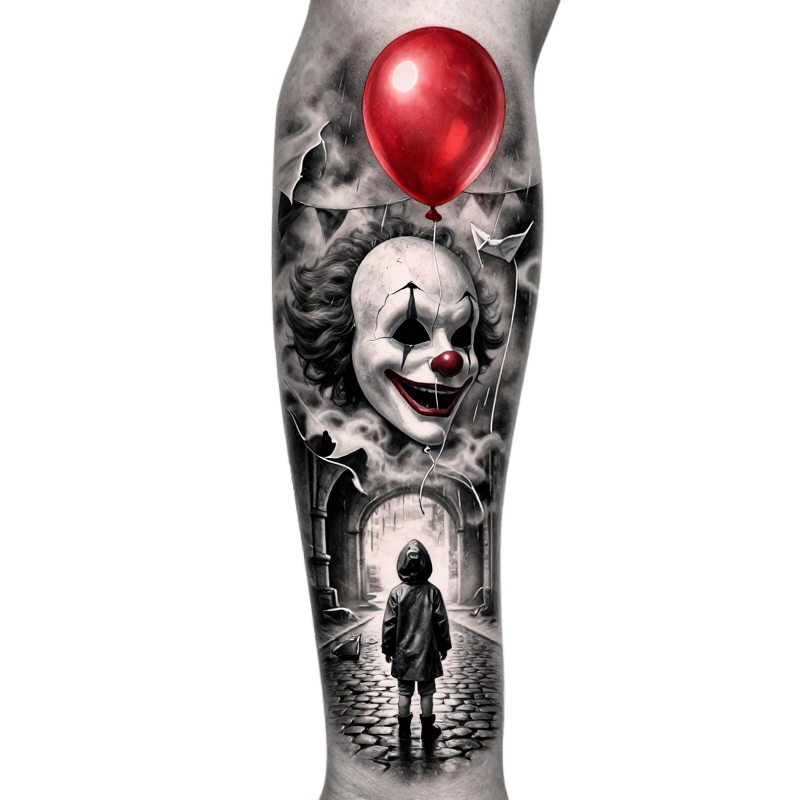
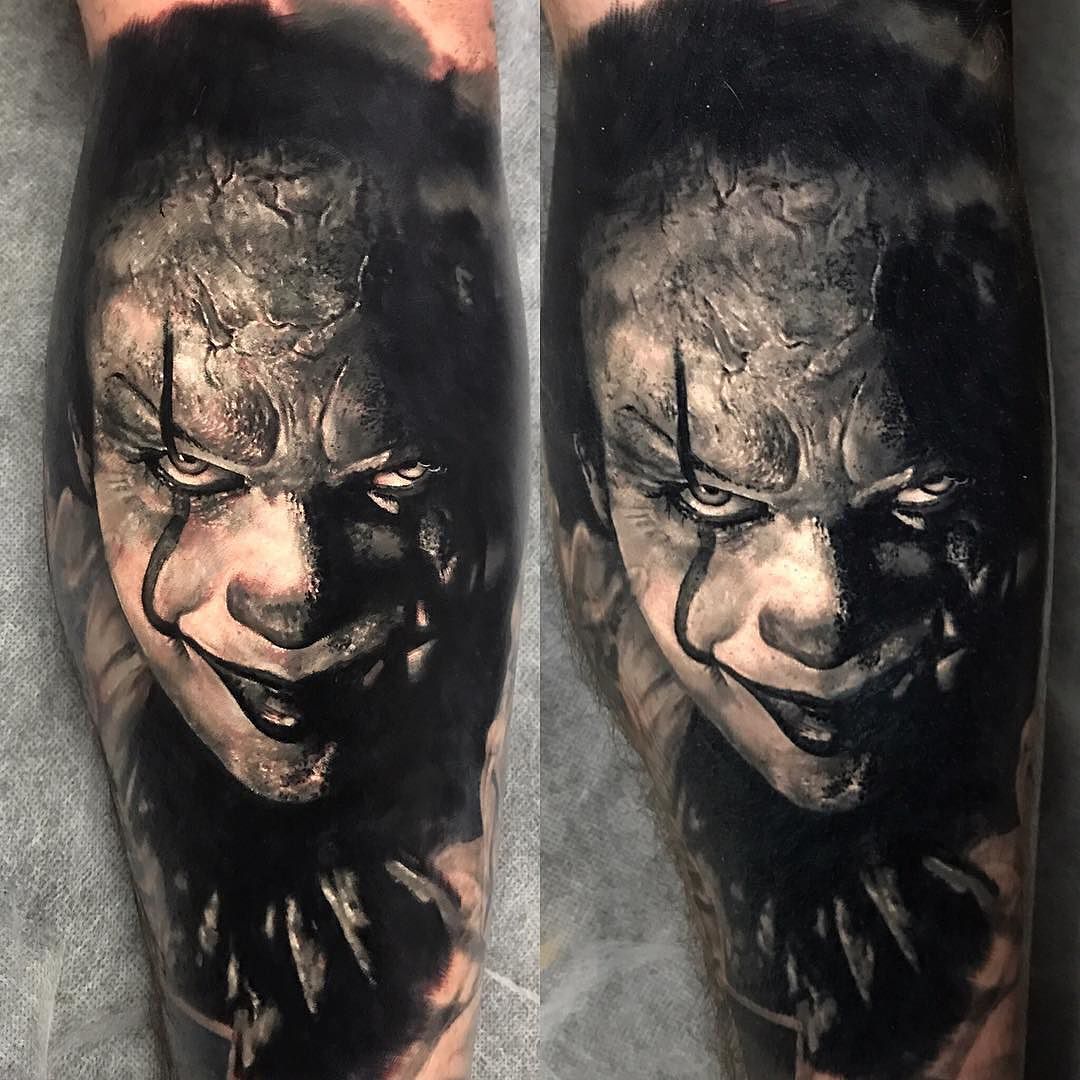
31 It ideas | horror tattoo, pennywise tattoo, clown tattoo
Selection from Pinterest
18 Pennywise tattoo ideas | pennywise tattoo, clown tattoo, horror tattoo
Selection from Pinterest
31 It ideas | horror tattoo, pennywise tattoo, clown tattoo
Selection from Pinterest
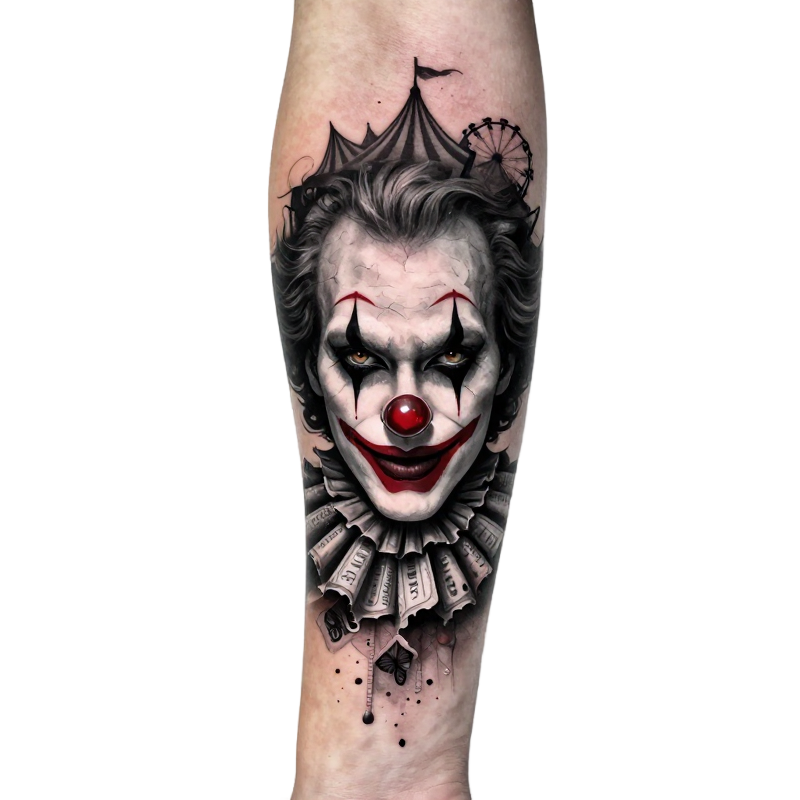
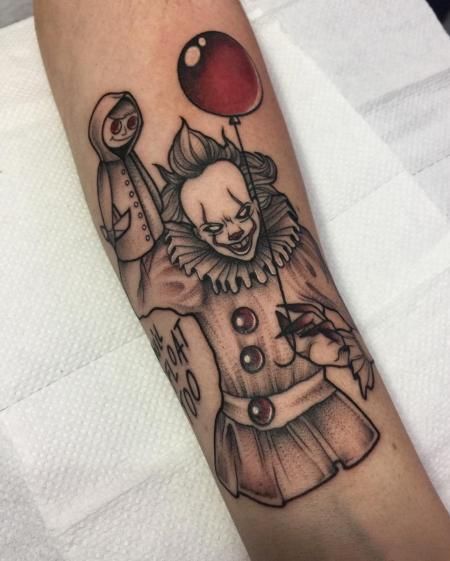
pennywise tattoo ideas
Selection from Pinterest
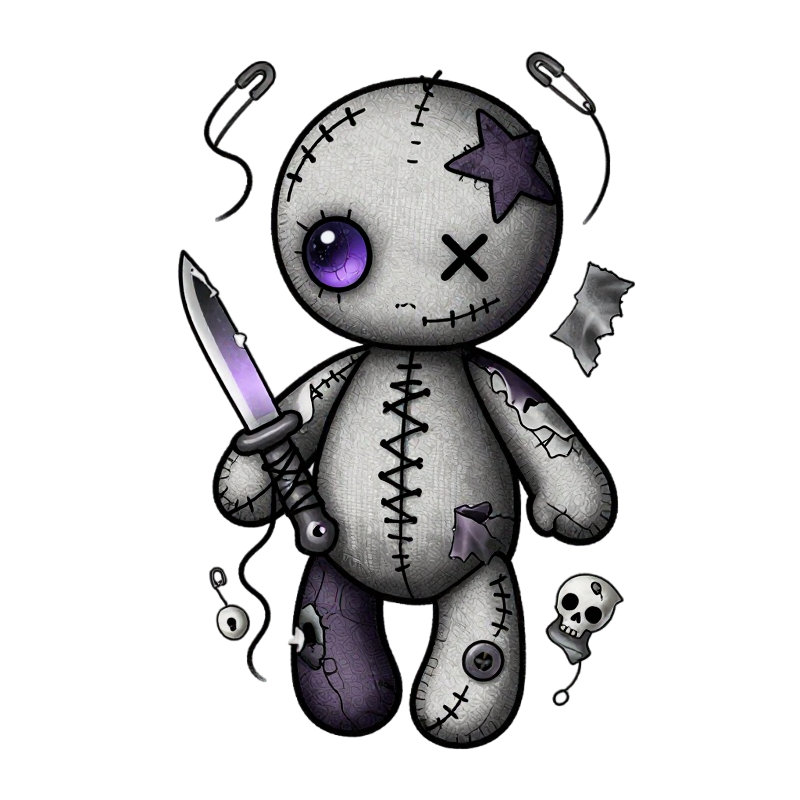
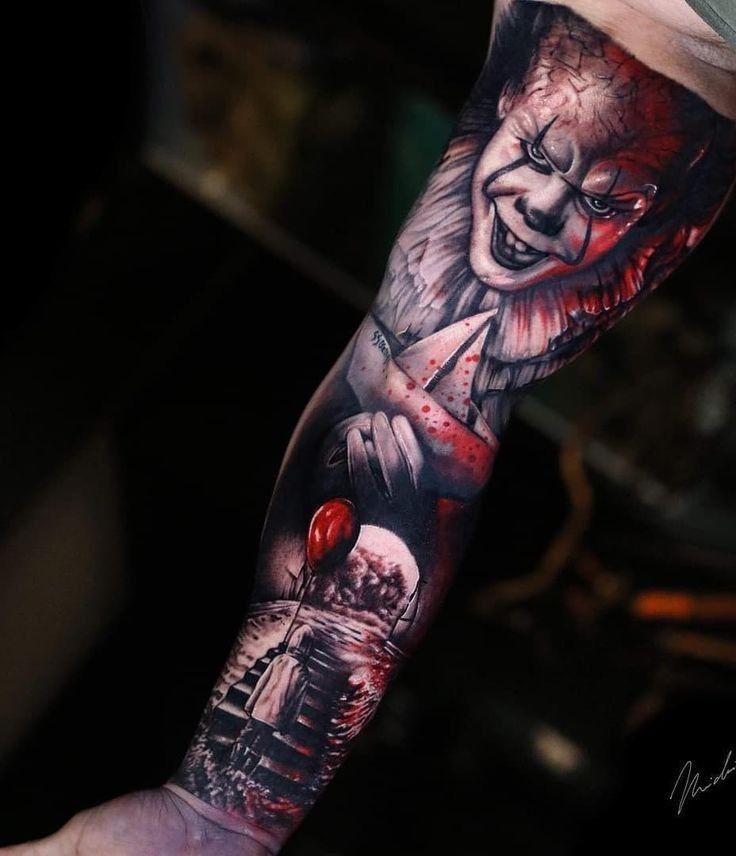
Pennywise Tattoo Designs STYLE
Selection from Pinterest
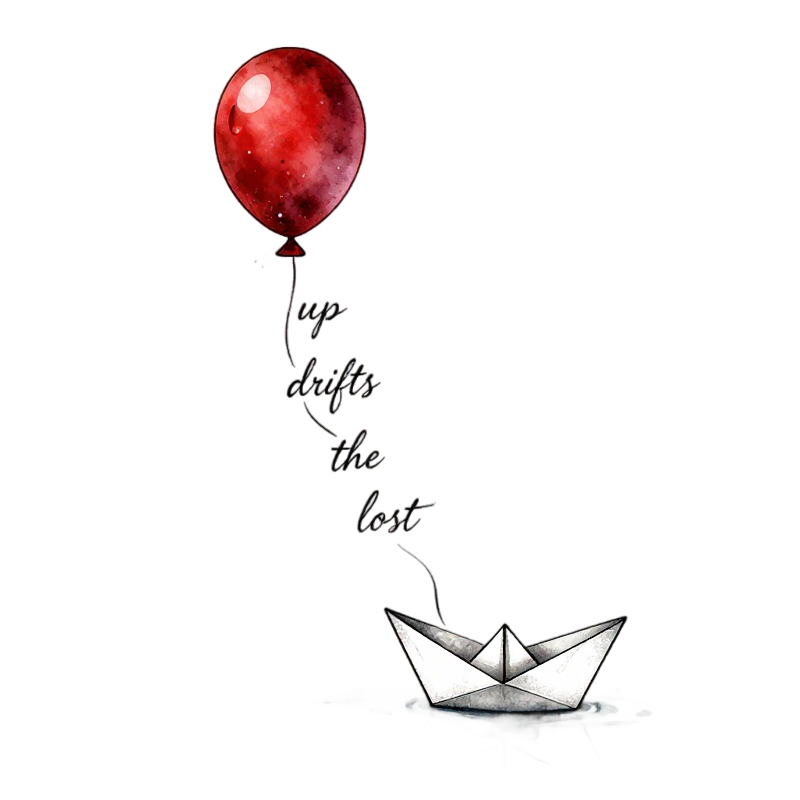
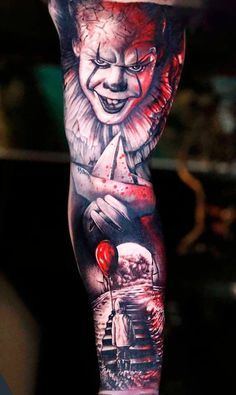
Discover 31 Pennywise Tattoo Design and Horror Movie Tattoos Ideas | clown tattoo, stephen king tattoos, evil clown tattoos and more
Selection from Pinterest
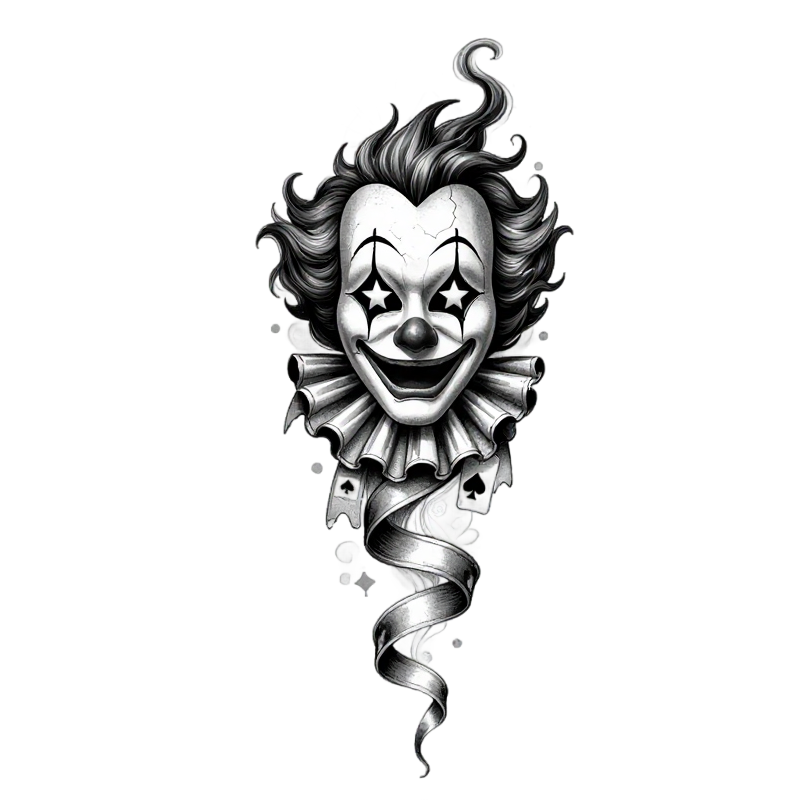
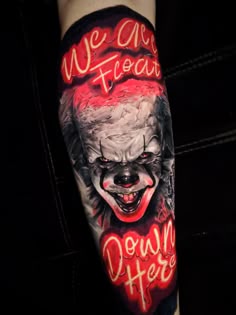
8 Pennywise tattoo ideas | pennywise tattoo, horror tattoo, clown tattoo
Selection from Pinterest
36 pennywise tattoo ideas | pennywise tattoo, horror tattoo, movie tattoos
Selection from Pinterest
8 Pennywise tattoo ideas | pennywise tattoo, clown tattoo, horror tattoo
Selection from Pinterest
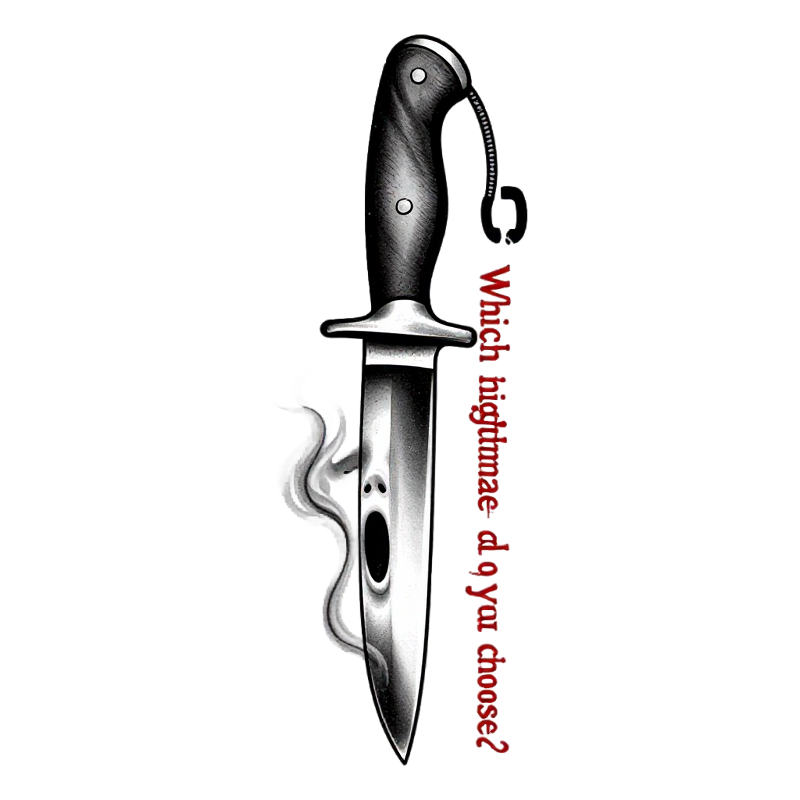
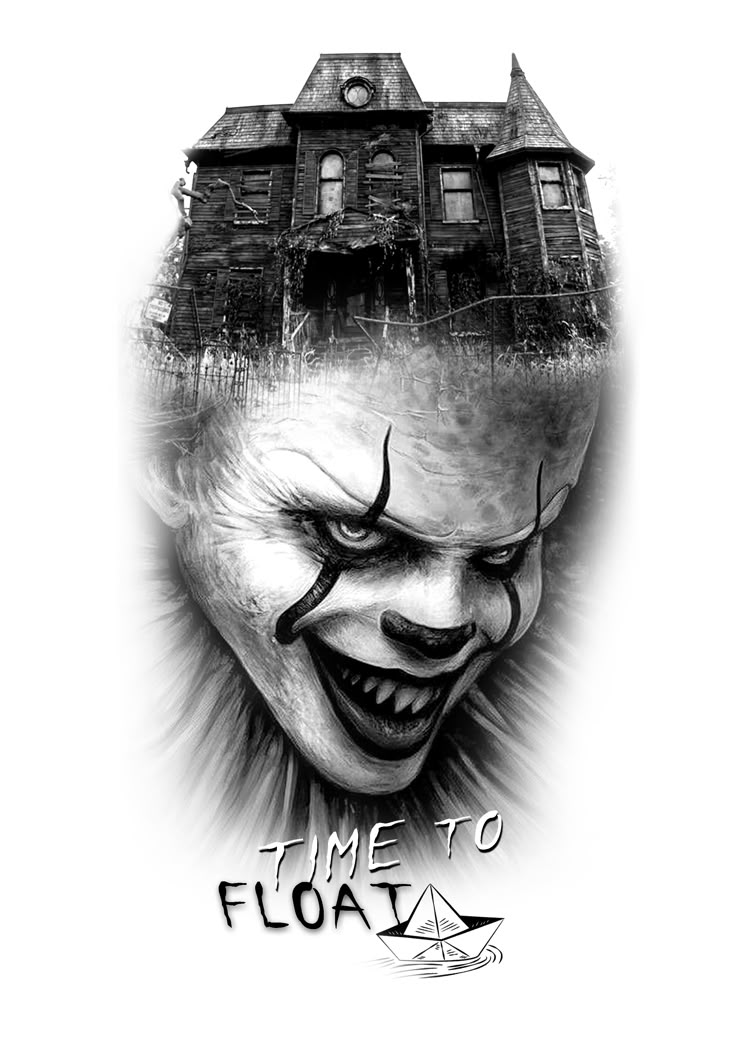
IT movie tattoo design
Selection from Pinterest
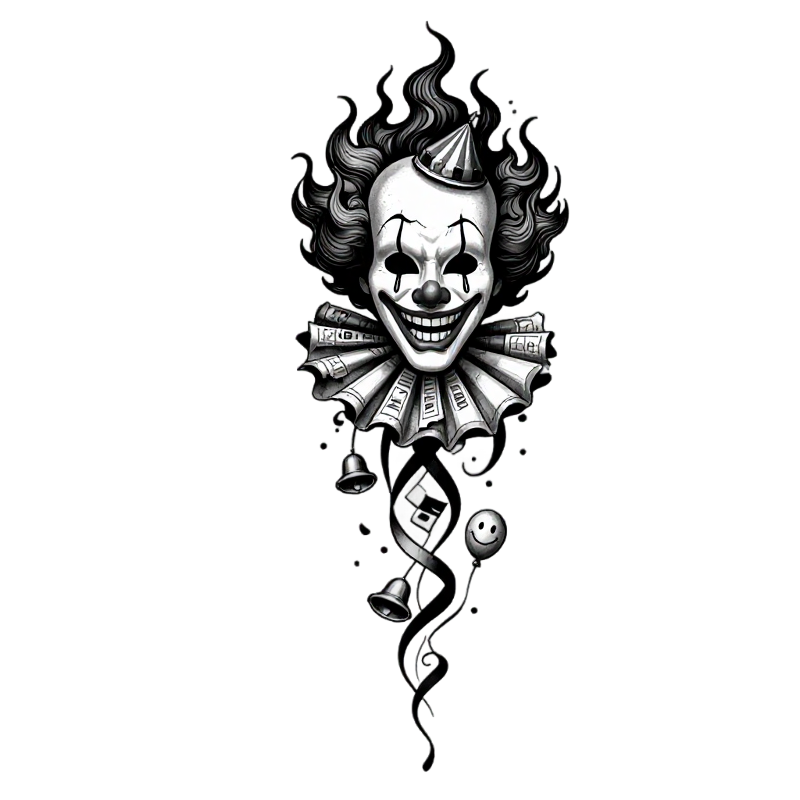
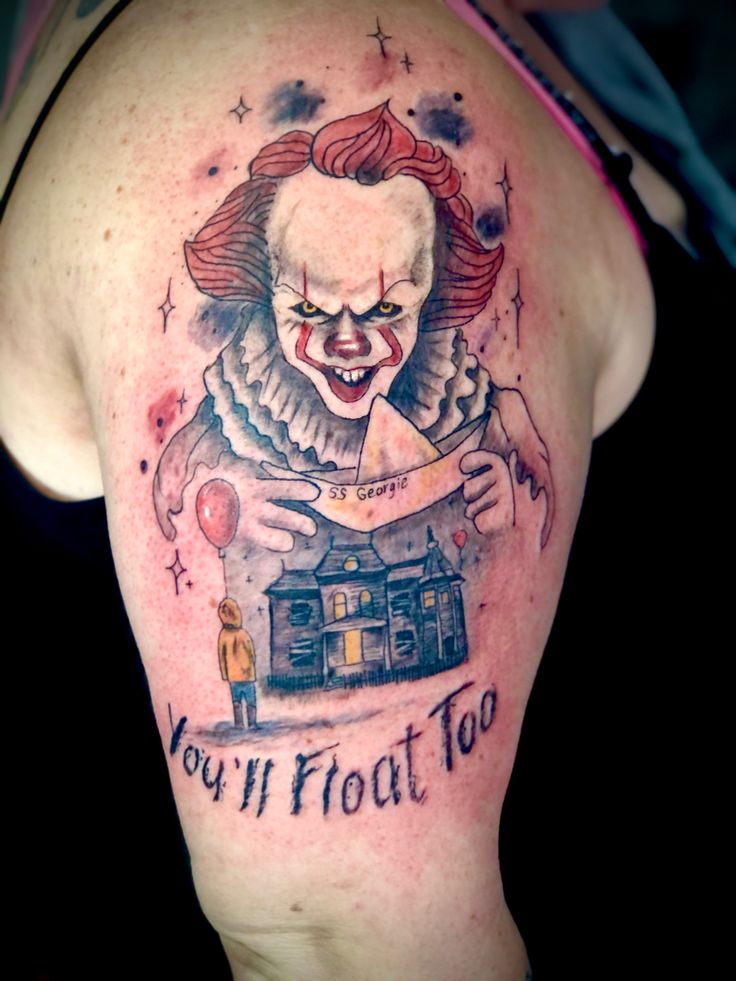
It pennywise tattoo
Selection from Pinterest
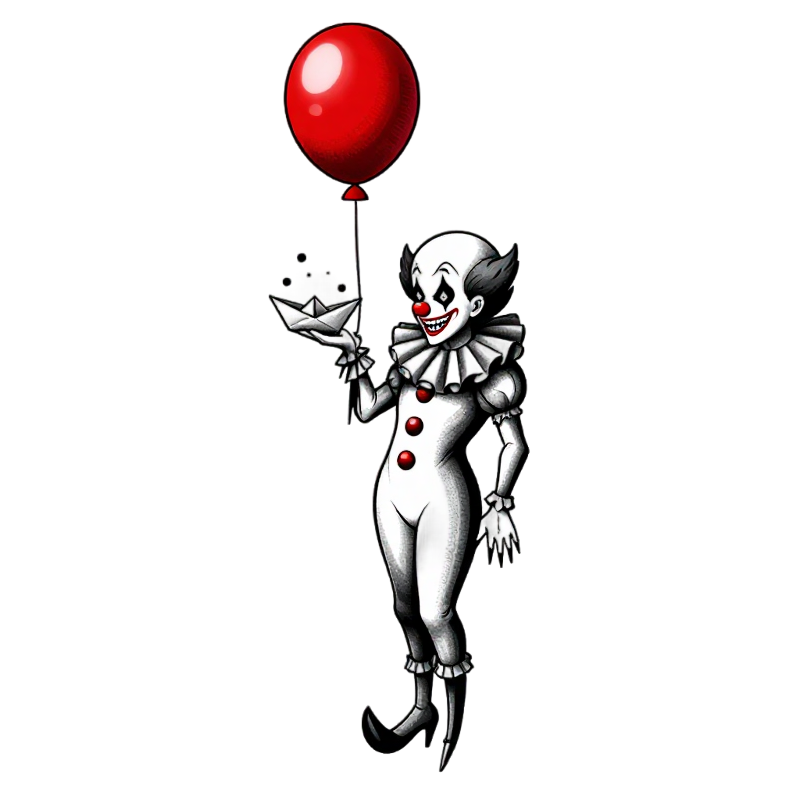
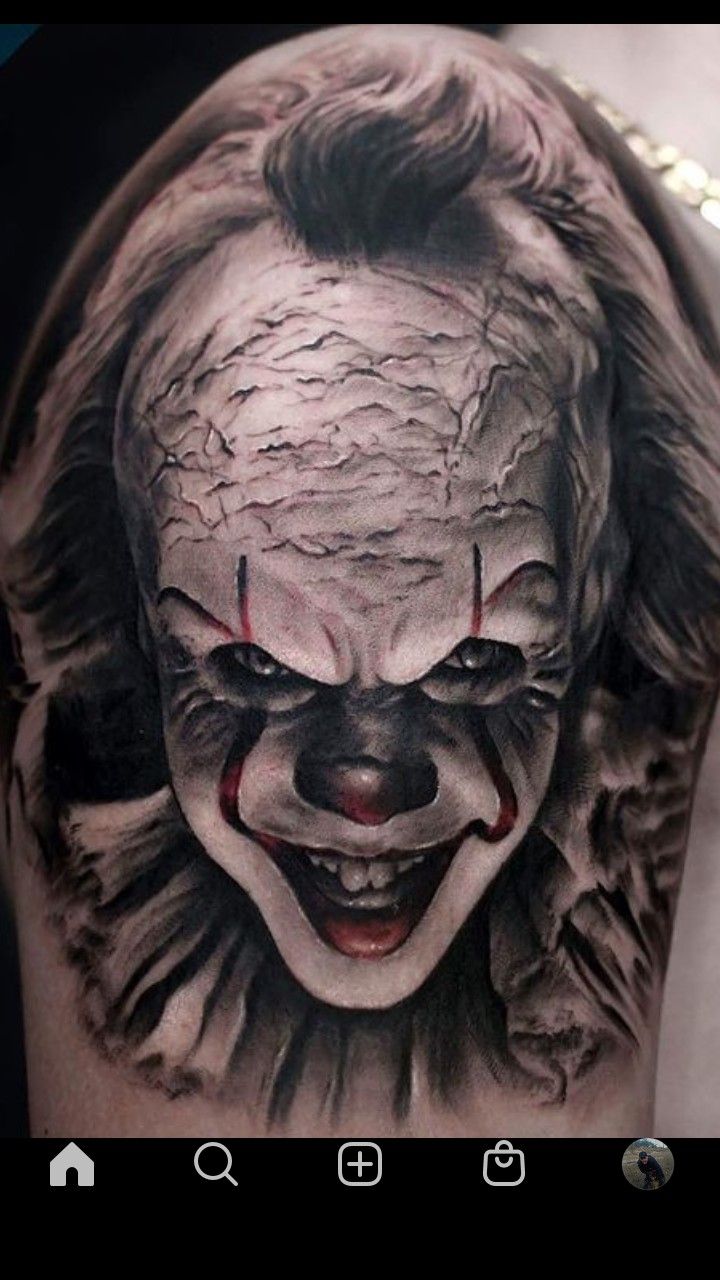
Pin by CzarnooBroody on Tattoo /Movie /Horror | Pennywise tattoo, Joker tattoo design, Scary tattoos
Selection from Pinterest
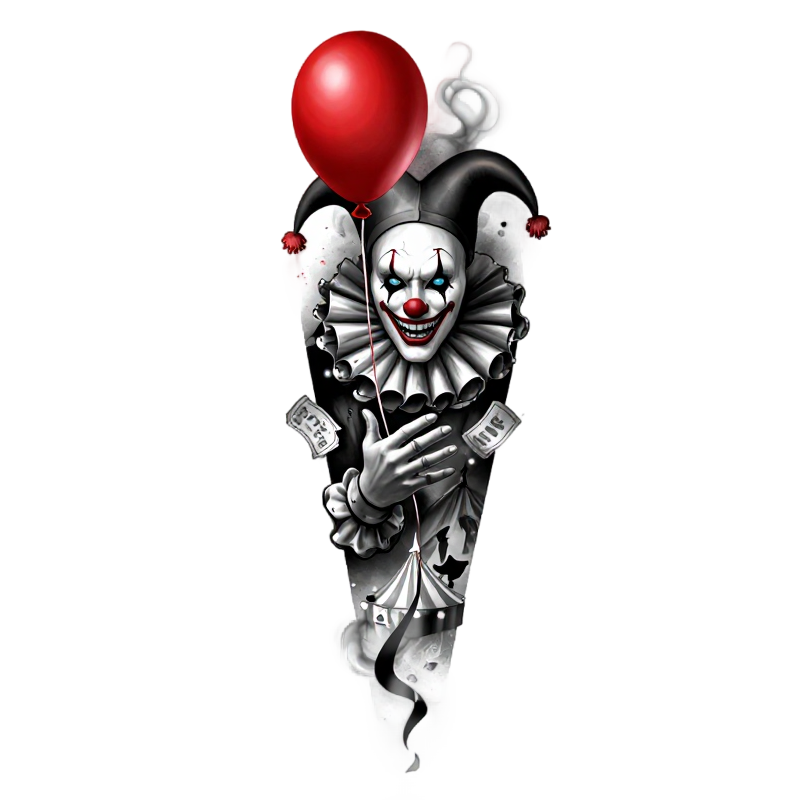
18 Pennywise tattoo ideas | pennywise tattoo, clown tattoo, horror tattoo
Selection from Pinterest
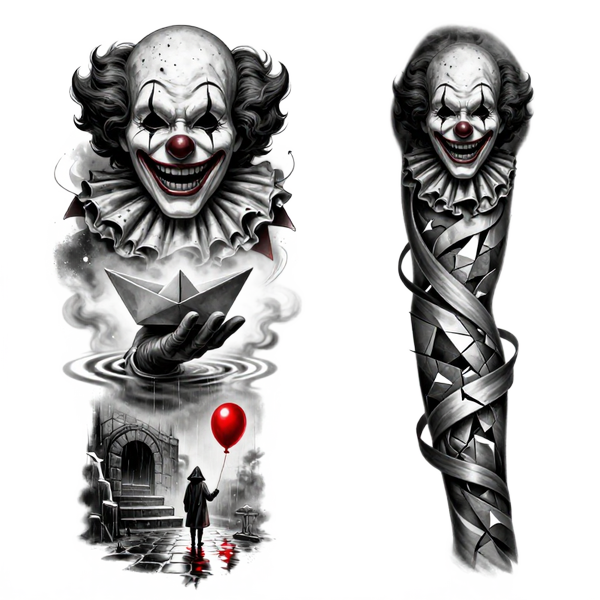
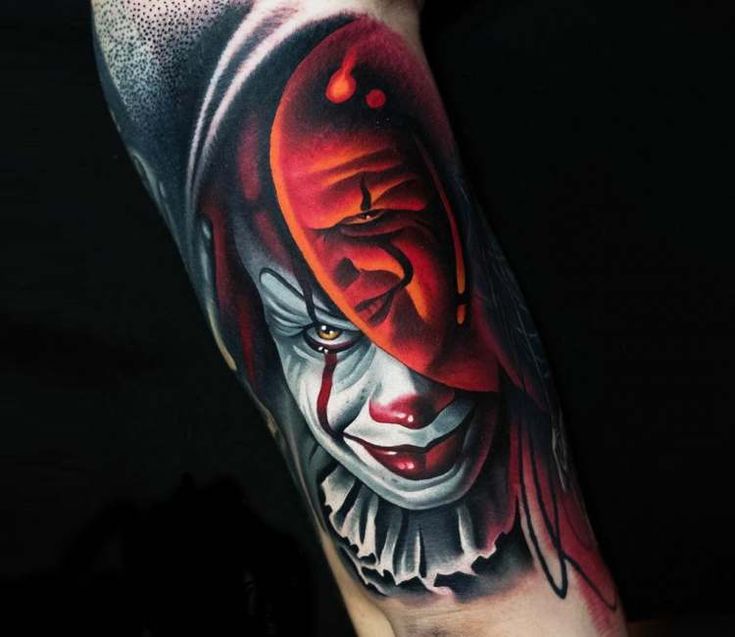
Pennywise clown tattoo by A.d. Pancho | Post 22836
Selection from Pinterest
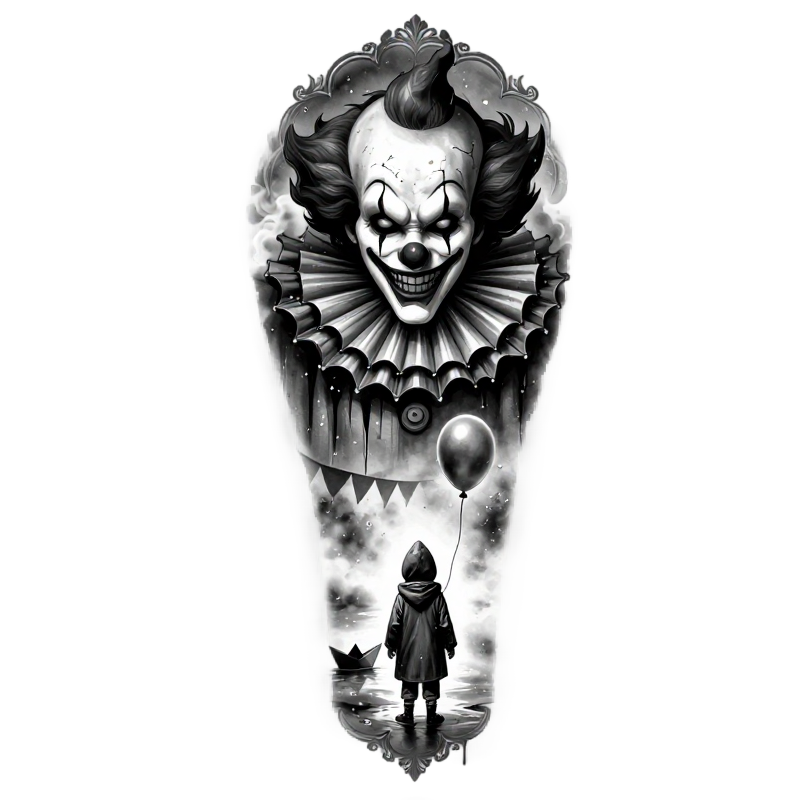
One App to Store All Your Tattoo Ideas
Store your tattoo ideas in one place and Virtual Try-On them on your body!



Avoid Regrets with 3D Virtual Try-On!
Do a 3D Virtual Try-On to see how your tattoo design looks like on your body before you get it tattooed. Powered by Tatship's AI and 3D technology.



Historical Origins and Evolution of Pennywise Tattoos
The character of Pennywise first appeared in Stephen King's novel 'It', published in 1986. The novel was later adapted into a miniseries in 1990 and a two-part film series released in 2017 and 2019. Pennywise, also known as 'It', is an ancient cosmic entity that preys on the fears of children in the fictional town of Derry, Maine. The character has become a cultural icon in the horror genre, symbolizing the universal fear of clowns, known as coulrophobia. The historical significance of Pennywise lies in its impact on popular culture and its role in exploring themes of fear and childhood trauma.