Persian Tattoo Ideas, Designs and Meaning
Meaning of Persian Tattoos
- Persian tattoos often incorporate intricate designs and motifs inspired by Persian art and culture.
- Common meanings include themes of beauty, strength, and spirituality, reflecting the rich history of Persian civilization.
- Persian calligraphy is a popular style, often featuring poetic verses or meaningful words in Farsi script.
- Historically, Persian art is known for its detailed patterns and vibrant colors, which are often mirrored in tattoo designs.
- Cultural significance is tied to Persian literature and poetry, with many tattoos drawing inspiration from famous poets like Rumi and Hafez.
- Persian tattoos can symbolize a connection to Persian heritage and pride in one's cultural identity.
- These tattoos are not gender-specific and can be placed on various body parts, depending on personal preference.
- The style often involves elaborate and symmetrical patterns, making them visually striking and unique.
- Persian tattoos can also represent philosophical ideas, such as the pursuit of knowledge and the appreciation of beauty.
- They are a way for individuals to express personal stories or values through the lens of Persian culture.
2,278 Tattoo Ideas
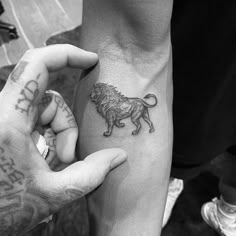

Discover 82 Persian Tattoo Ideas and Persian Lion and Sun Tattoo Ideas | ancient persian art, farsi tattoo, iran culture and more
Selection from Pinterest
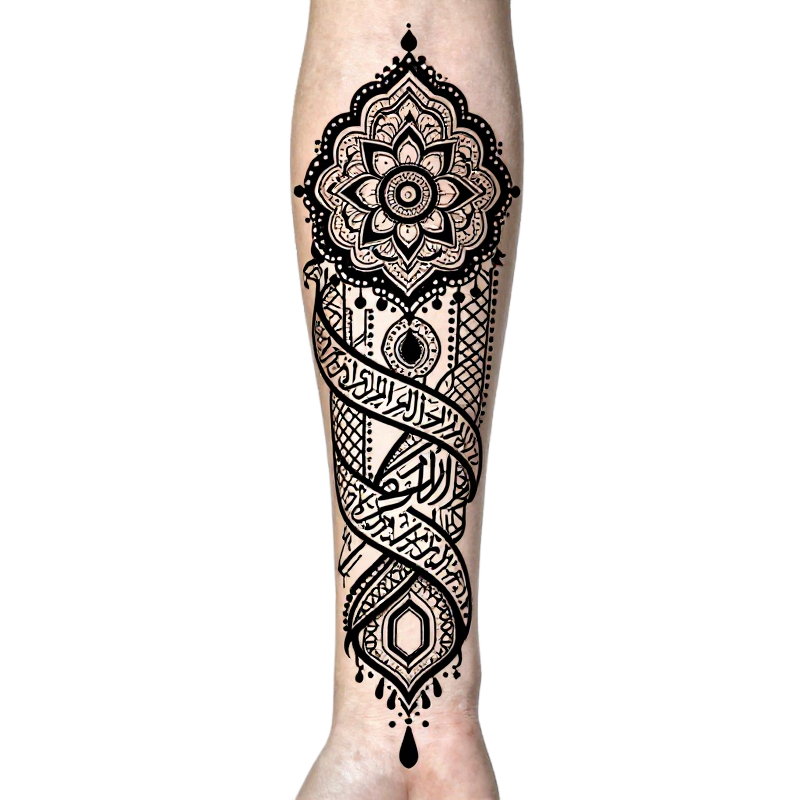

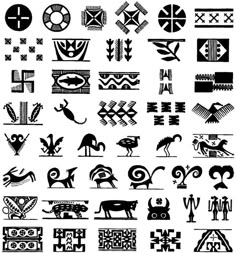
Discover 120 Persian Tattoo and Farsi Calligraphy Tattoo Ideas | persian style tattoo, iranian tattoo, persian poem tattoo and more
Selection from Pinterest
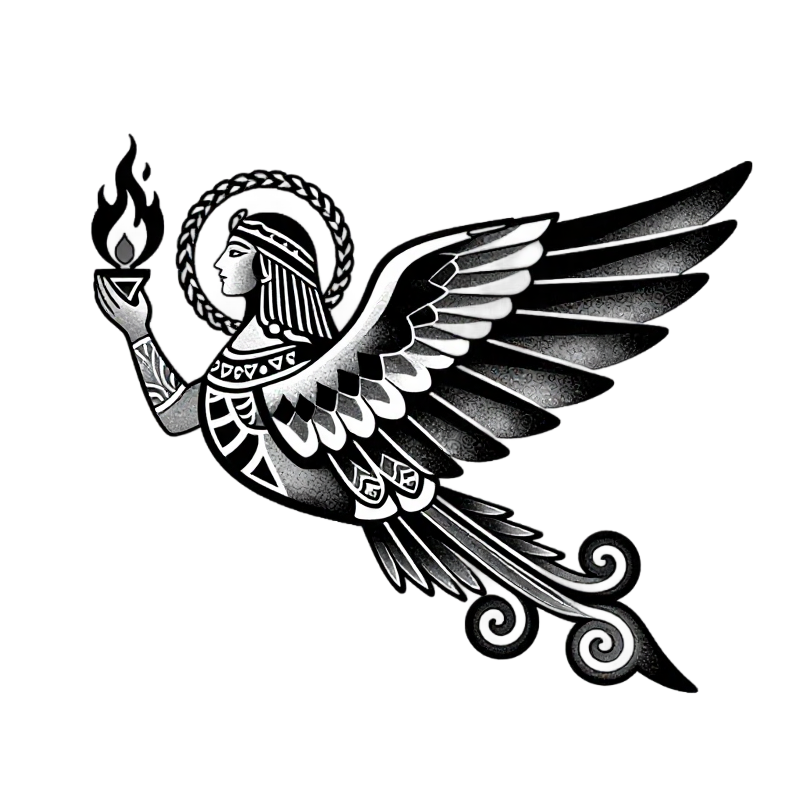
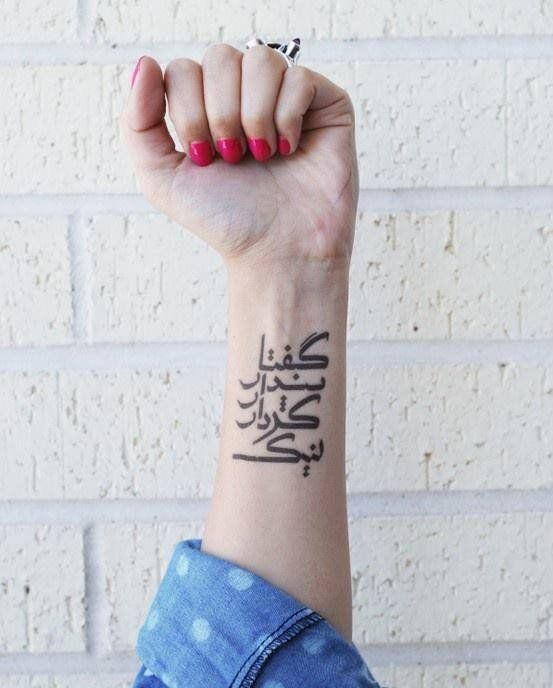
Pin by Yassi G on Tats | Persian tattoo, Farsi tattoo, Tattoo designs and meanings
Selection from Pinterest
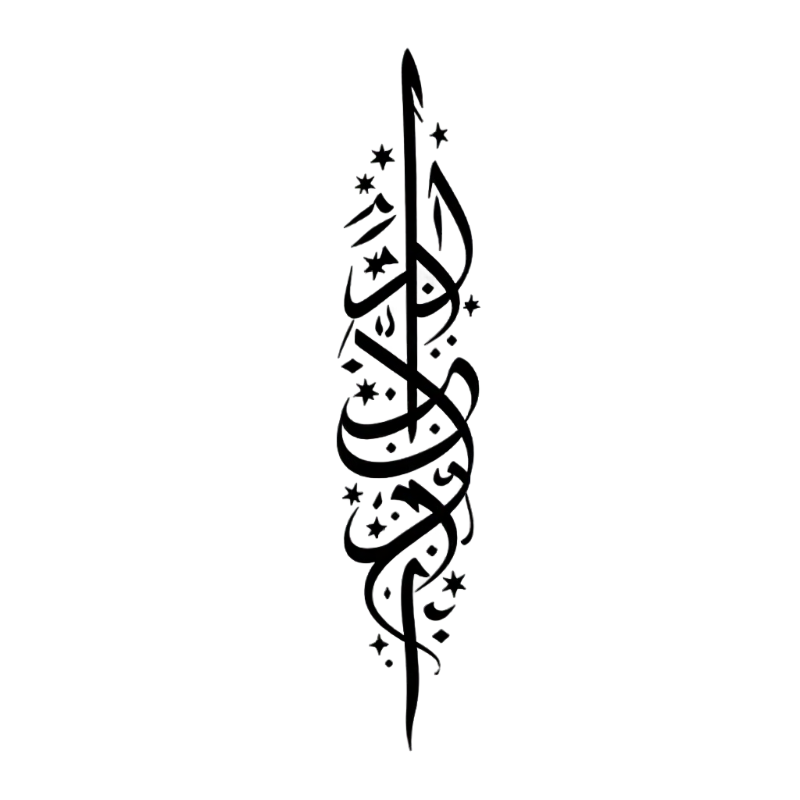
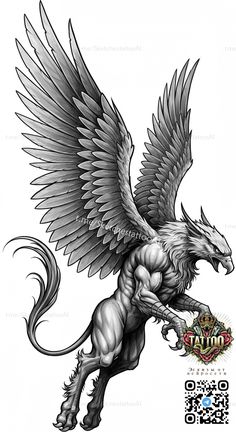
Discover 180 Persian Tattoo and Ancient Persian Art Ideas | persian mythology tattoo, ancient persian architecture, iran culture and more
Selection from Pinterest
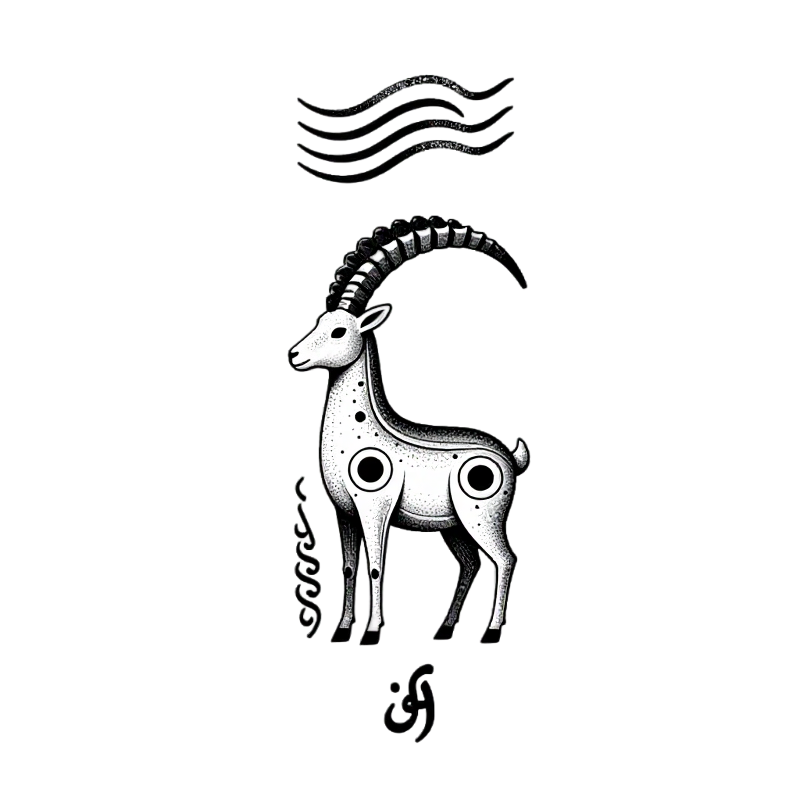
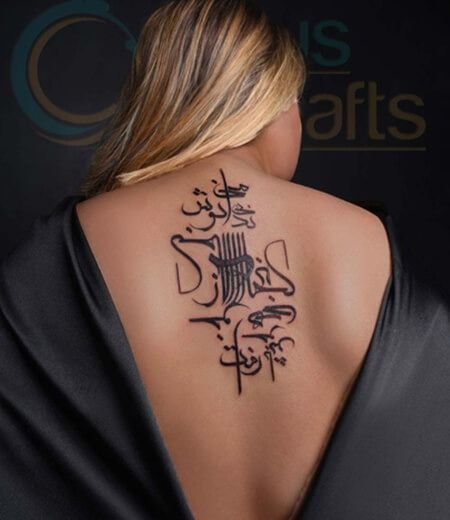
50 Special Tattoo Ideas | Picture and Persian calligraphy
Selection from Pinterest
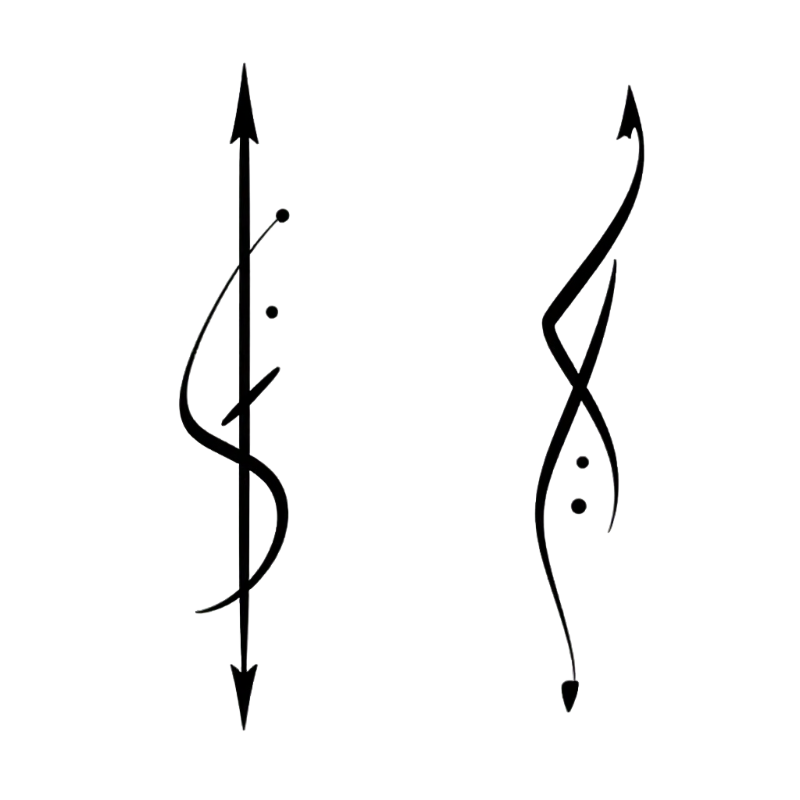
15 Persian Tattoo Art ideas | persian tattoo, cat tattoo, tattoos
Selection from Pinterest
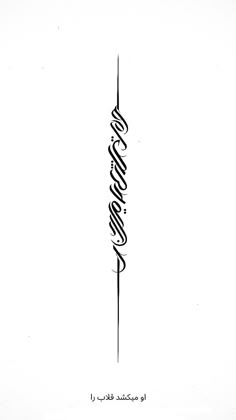
8 Persian tattoo ideas | persian tattoo, persian calligraphy art, text tattoo
Selection from Pinterest
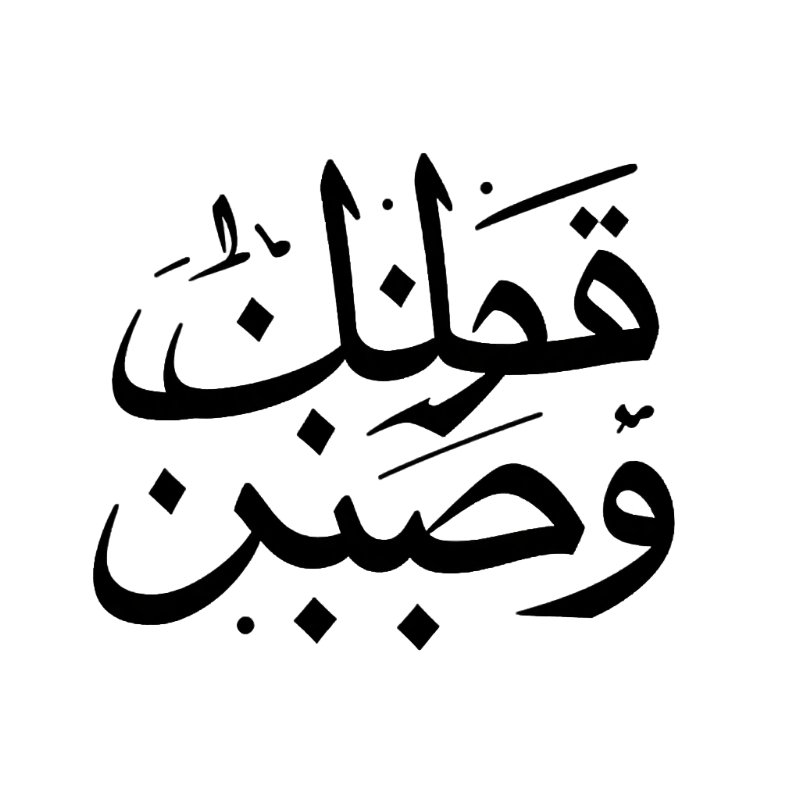
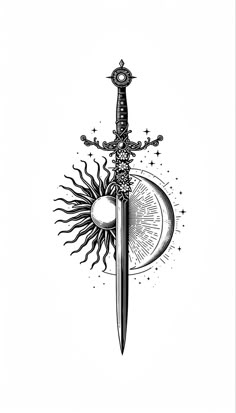
32 Persian tattoo ideas in 2025 | persian tattoo, tattoos for guys, small tattoos
Selection from Pinterest
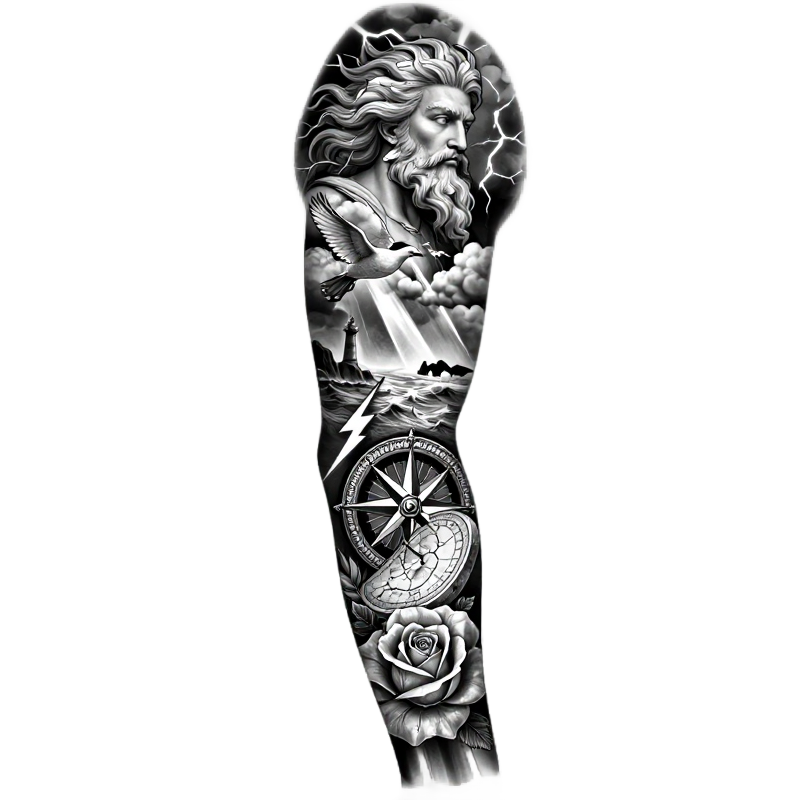
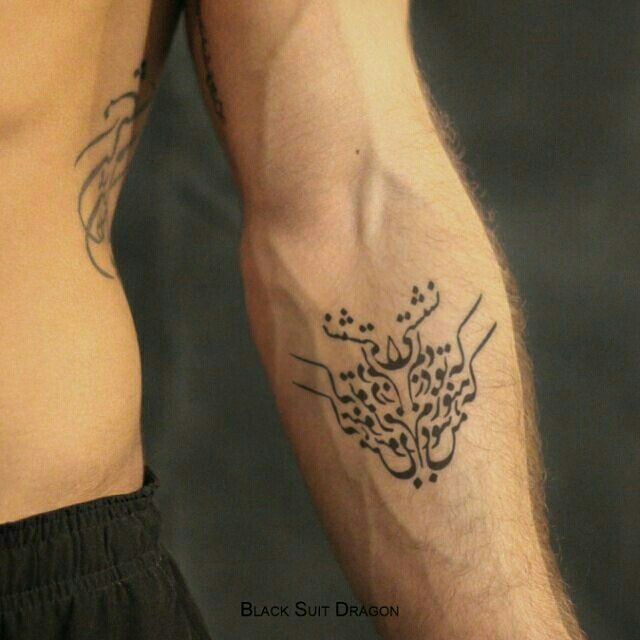
Persian Calligraphy Tattoo Based On Saadi's Poem | Persian tattoo, Farsi tattoo, Tattoo designs and meanings
Selection from Pinterest
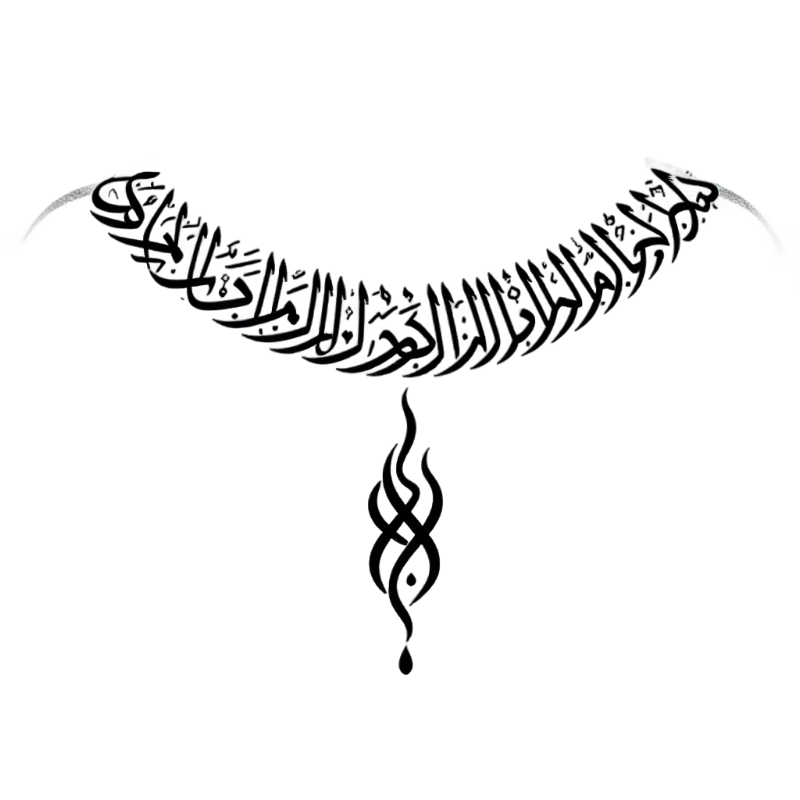
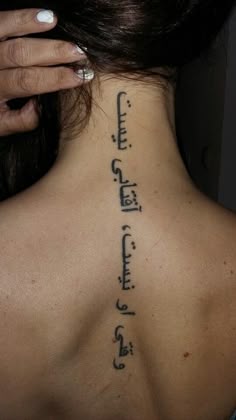
Discover 100 Persian Tattoos and Farsi Tattoo Ideas | ancient persia, persian empire, ahura mazda and more
Selection from Pinterest
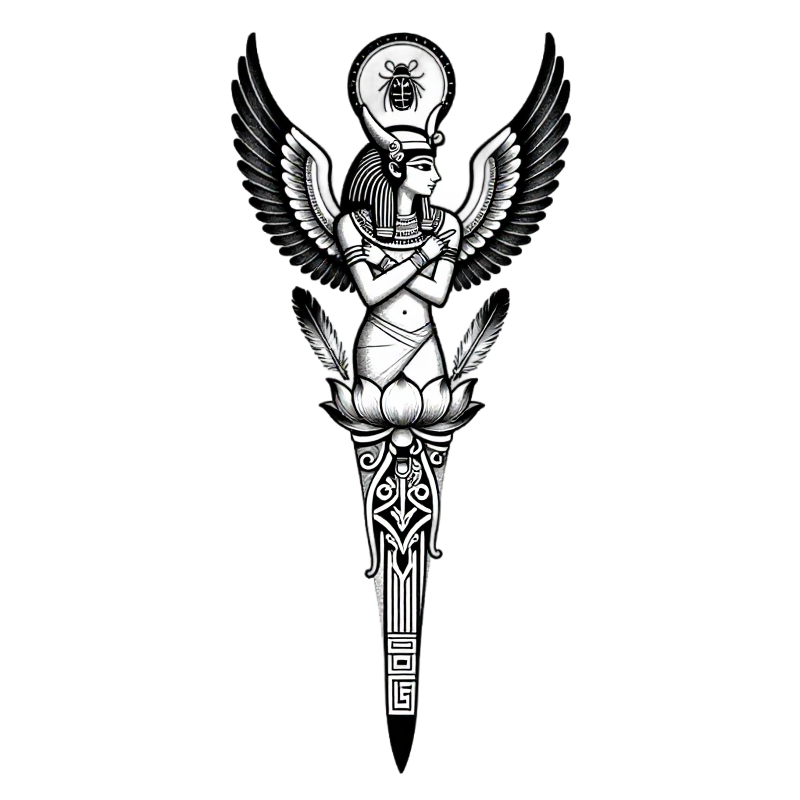
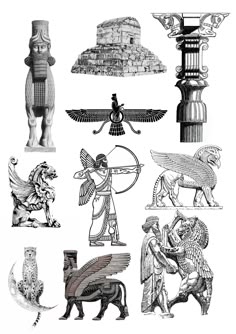
Discover 82 Persian Tattoo Ideas and Persian Lion and Sun Tattoo Ideas | ancient persian art, farsi tattoo, iran culture and more
Selection from Pinterest
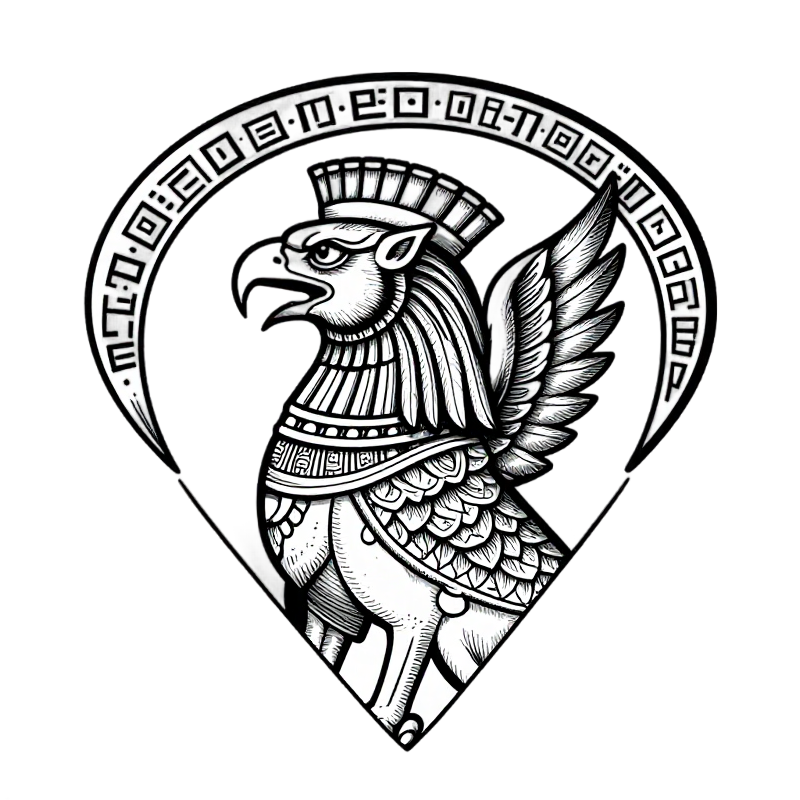
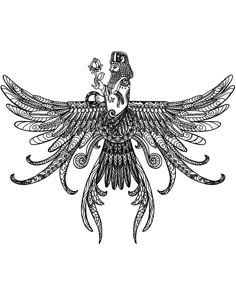
8 Farsi tattoo ideas | persian tattoo, farsi tattoo, ancient persian
Selection from Pinterest
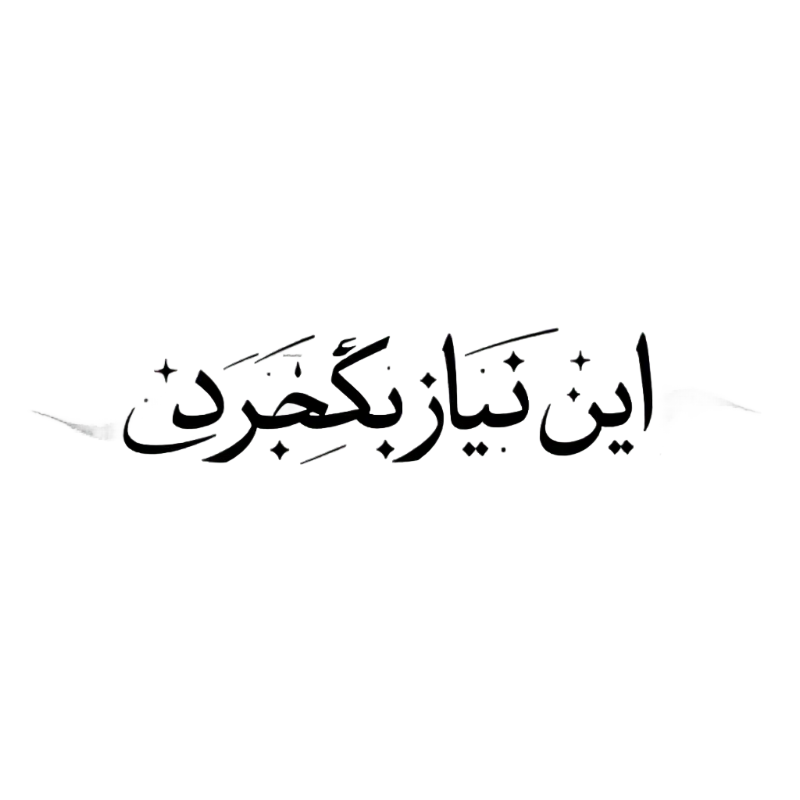
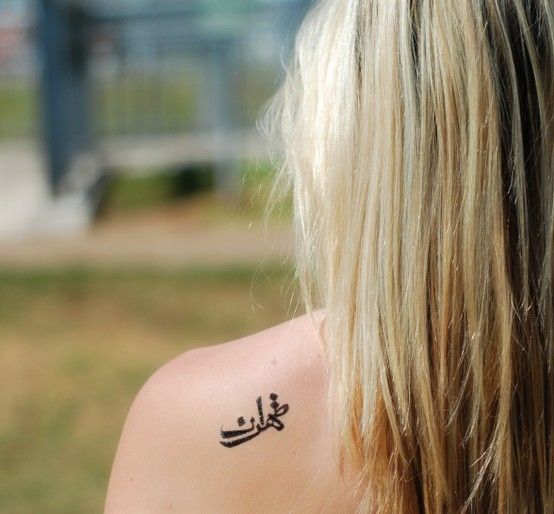
Beautiful temporary tattoo in Farsi typography designed by Mohammad Askarzadeh.
Selection from Pinterest
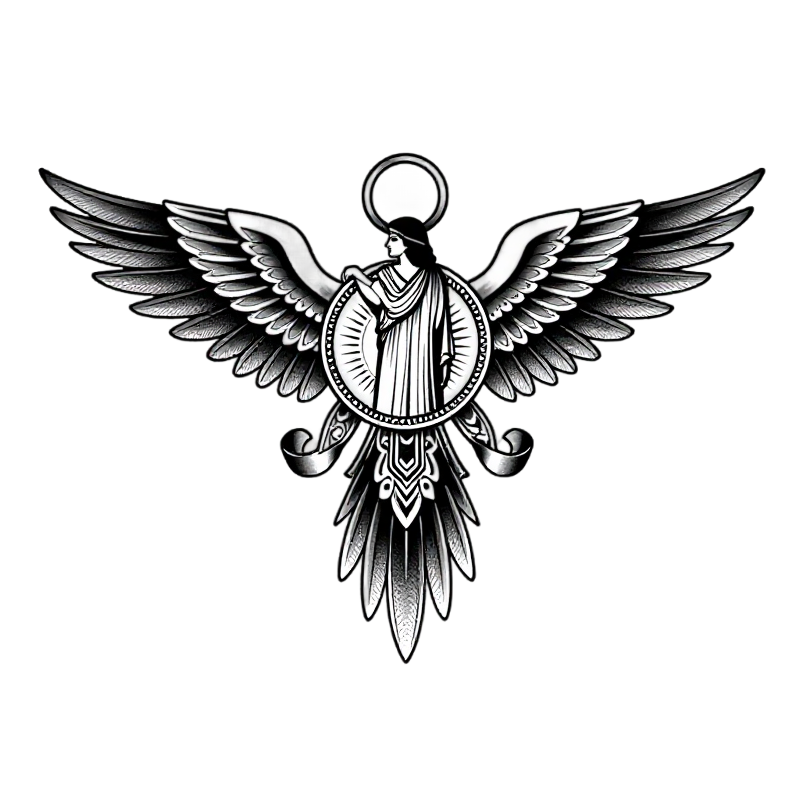
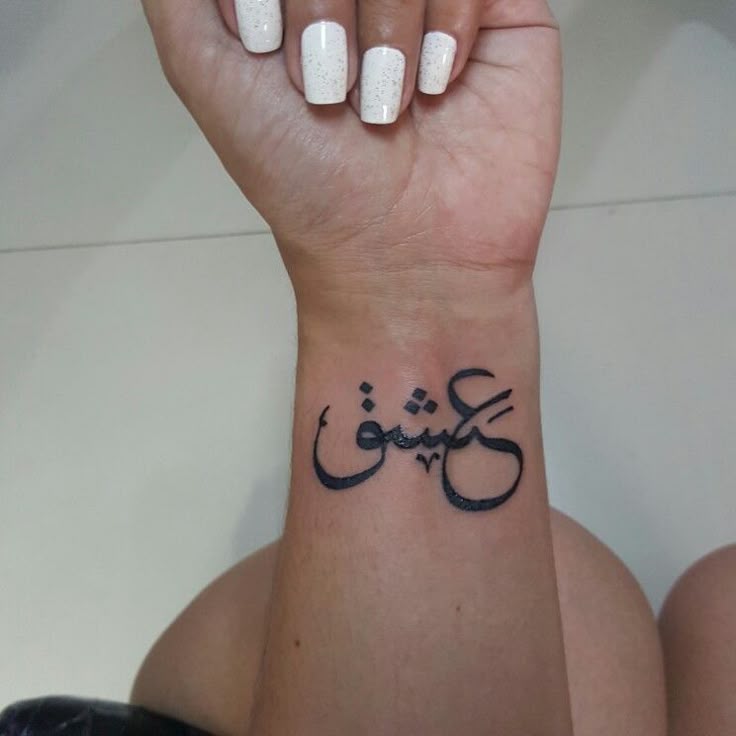
100 Amazing Persian Tattoo Design with Meaning, Ideas and Celebrities - Body Art Guru
Selection from Pinterest
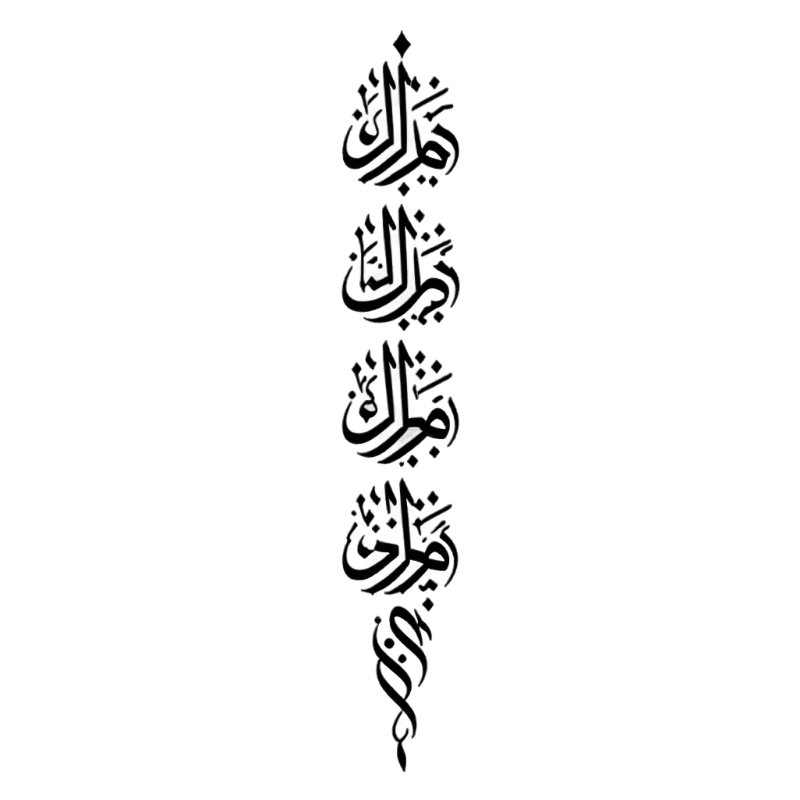
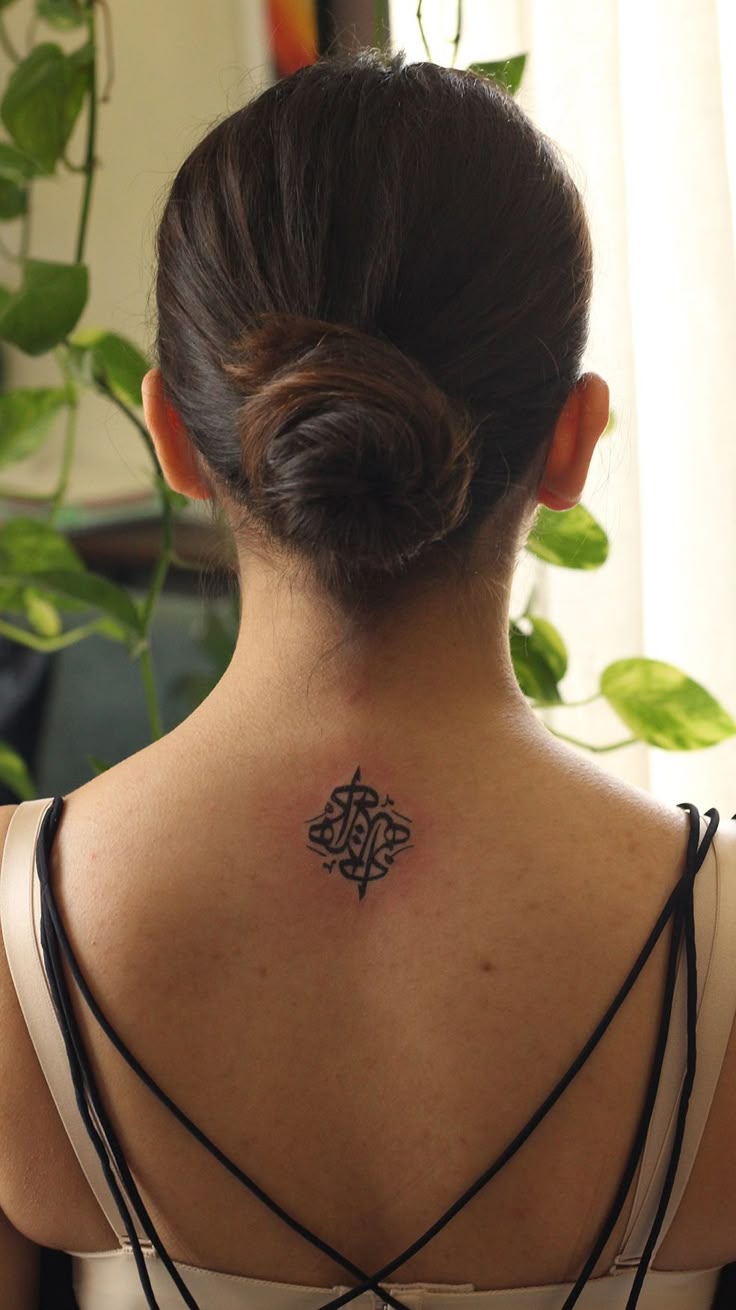
100 Amazing Persian Tattoo Design with Meaning, Ideas and Celebrities - Body Art Guru
Selection from Pinterest
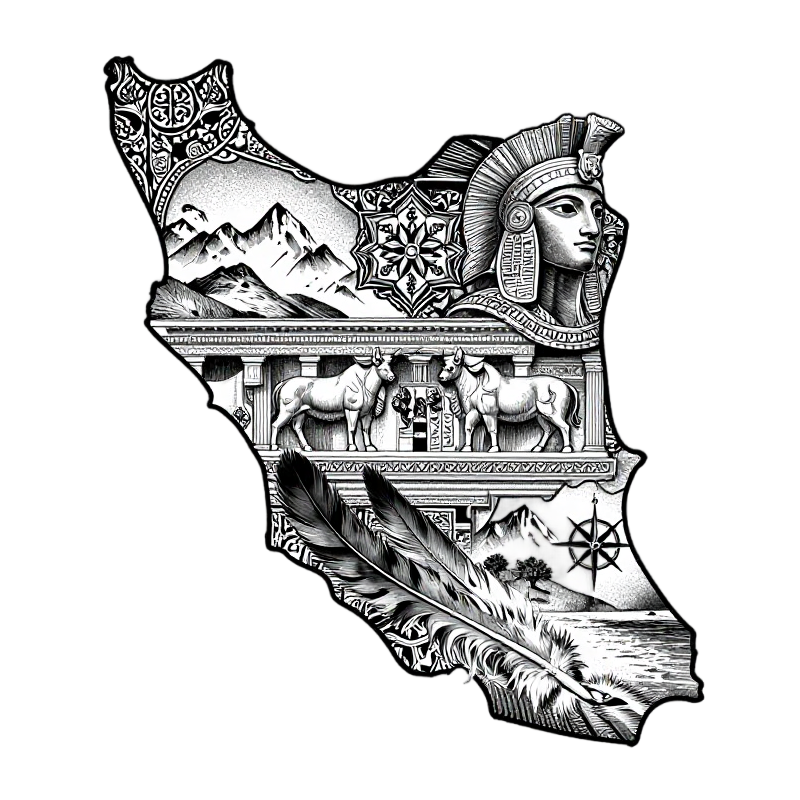

27 Persian tattoos ideas | persian tattoo, tattoos, persian
Selection from Pinterest
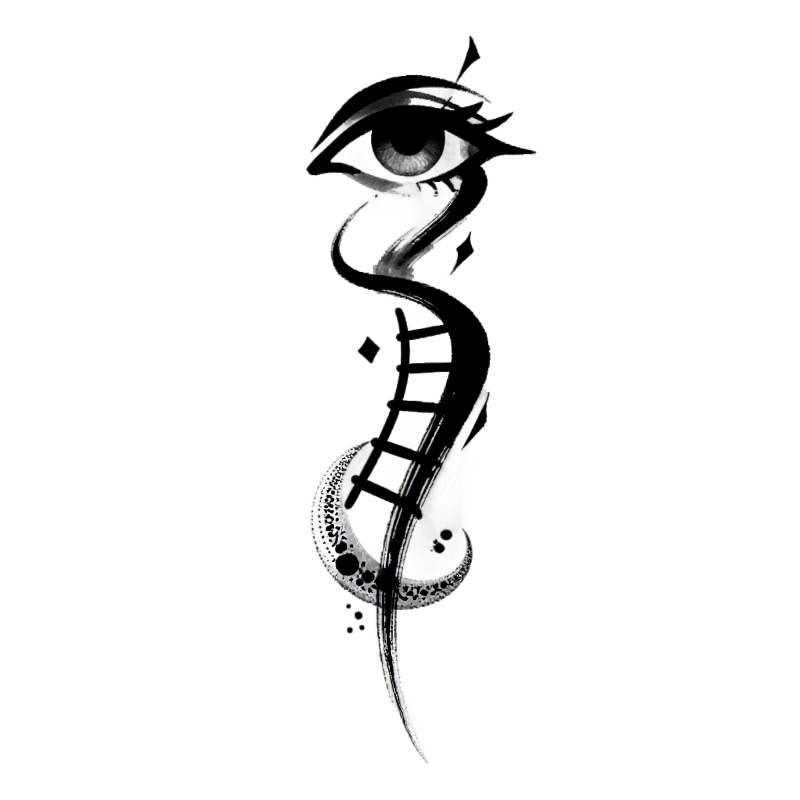
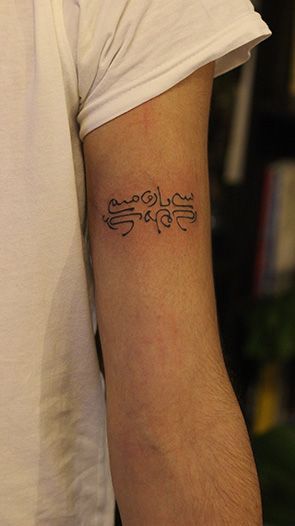
100 Amazing Persian Tattoo Design with Meaning, Ideas and Celebrities - Body Art Guru
Selection from Pinterest
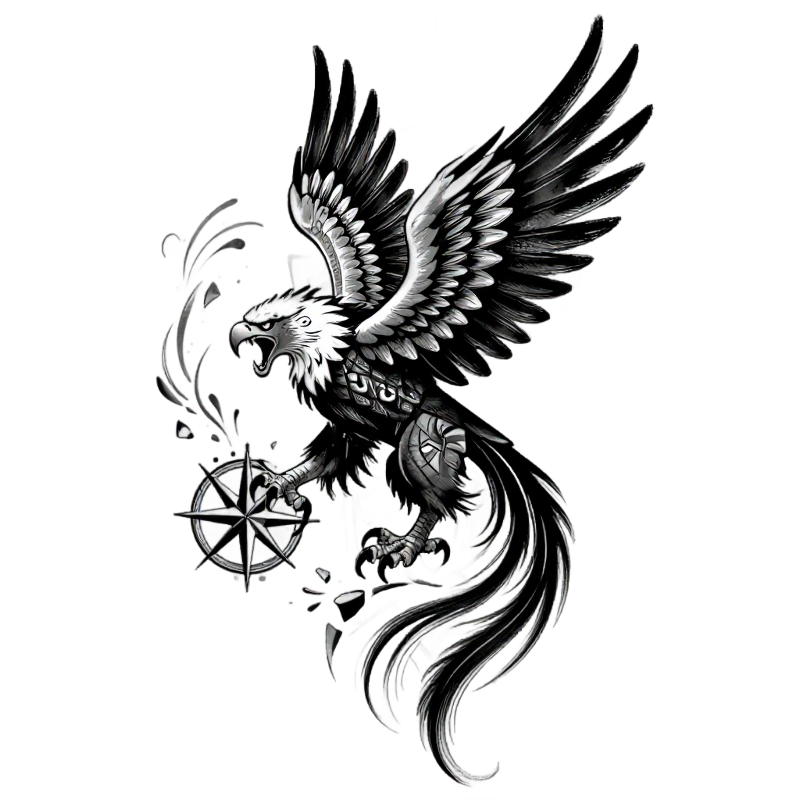
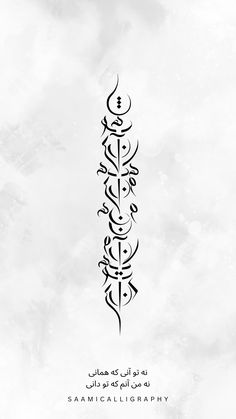
190 Best Persian tattoo ideas in 2025 | persian tattoo, persian calligraphy art, calligraphy tattoo
Selection from Pinterest
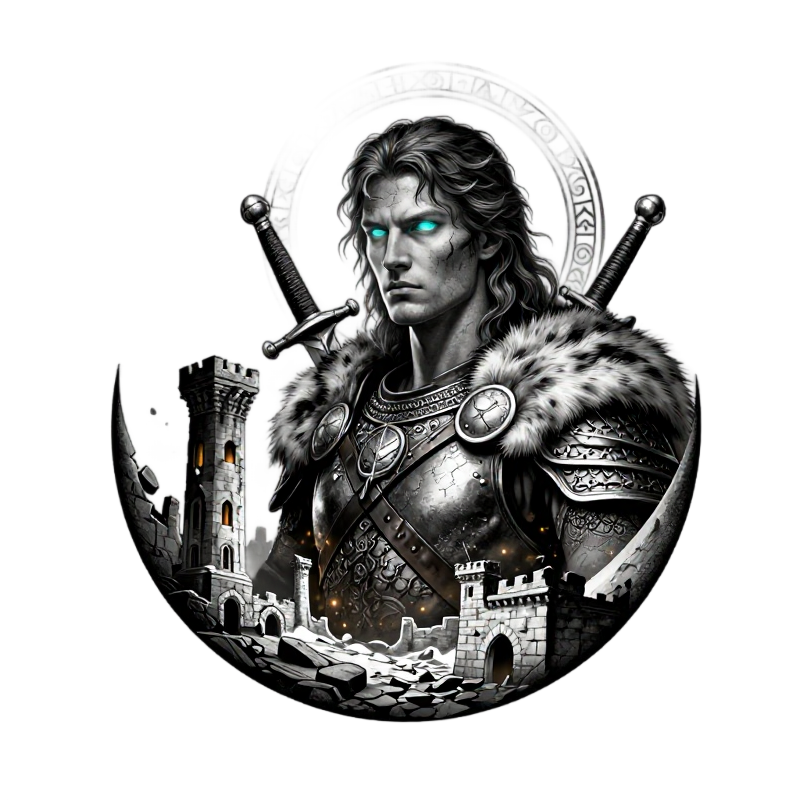
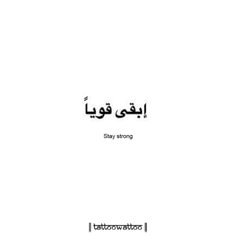
10 Farsi Tattoo Ideas | farsi tattoo, arabic tattoo quotes, heart symbol in arabic text
Selection from Pinterest
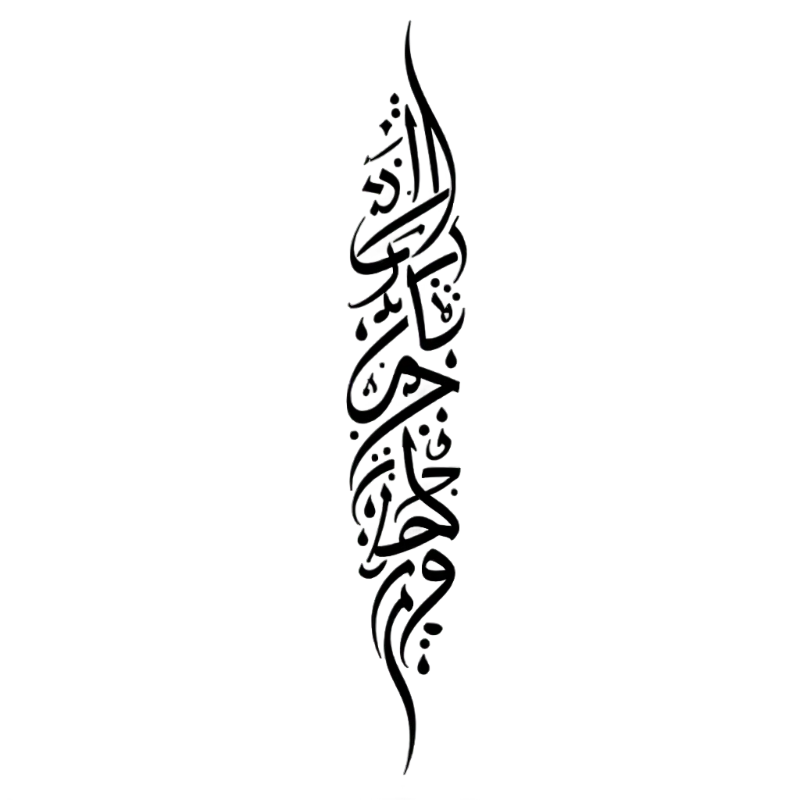
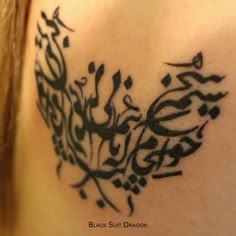
Discover 55 Persian Tattoo and Farsi Calligraphy Tattoo Ideas | persian miniature tattoo, farvahar tattoo, iranian tattoo and more
Selection from Pinterest
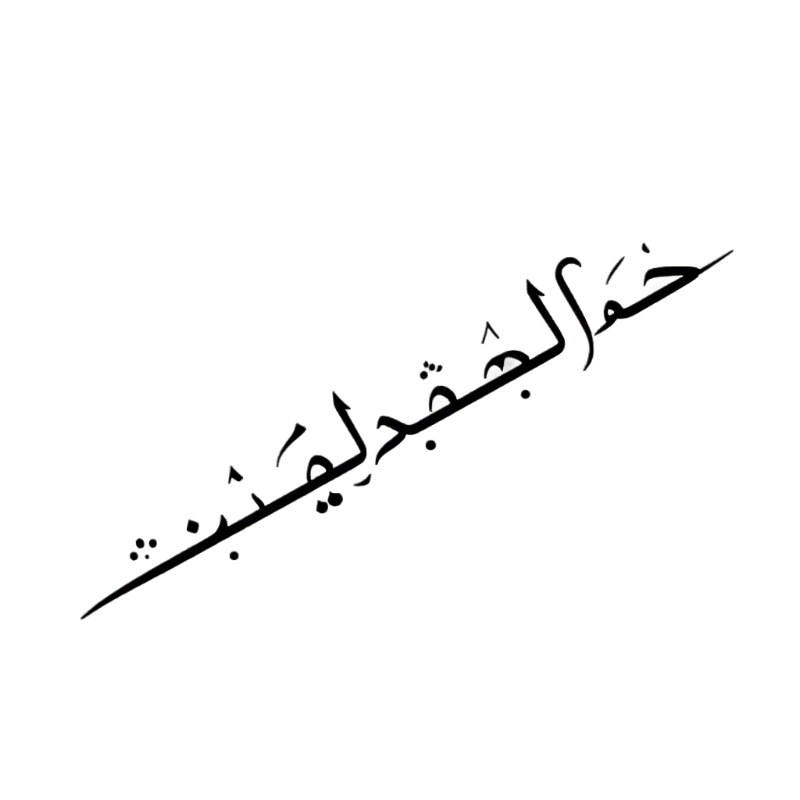
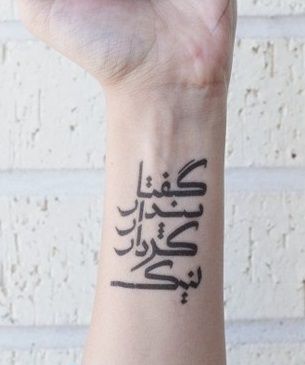
Farsi wrist tattoo
Selection from Pinterest
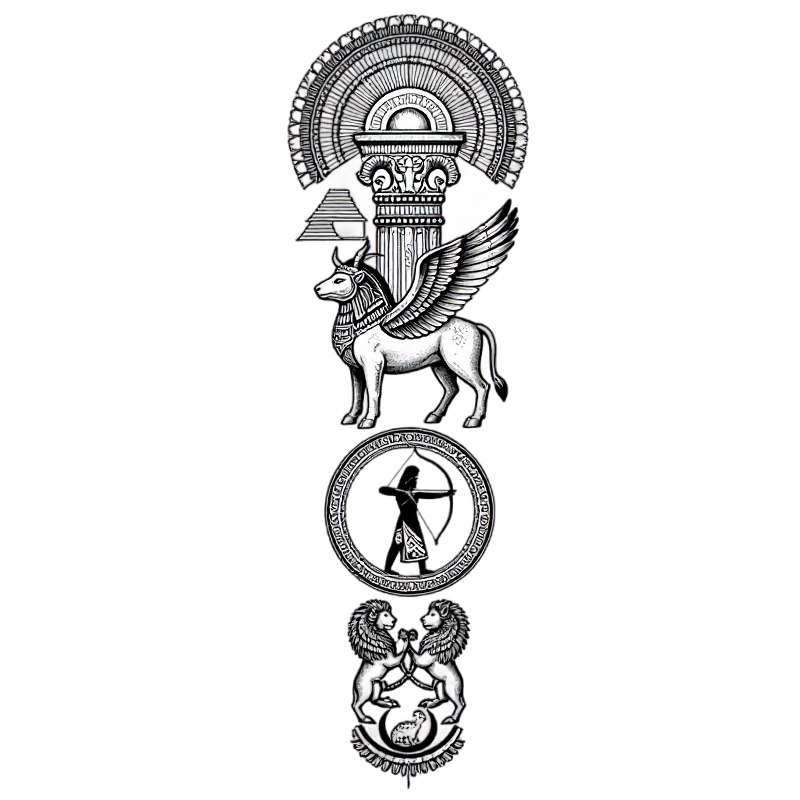
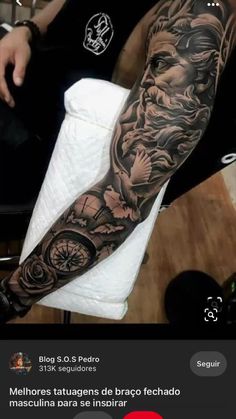
26 PERSIAN TATOO ideas | persian tattoo, persian, sleeve tattoos
Selection from Pinterest
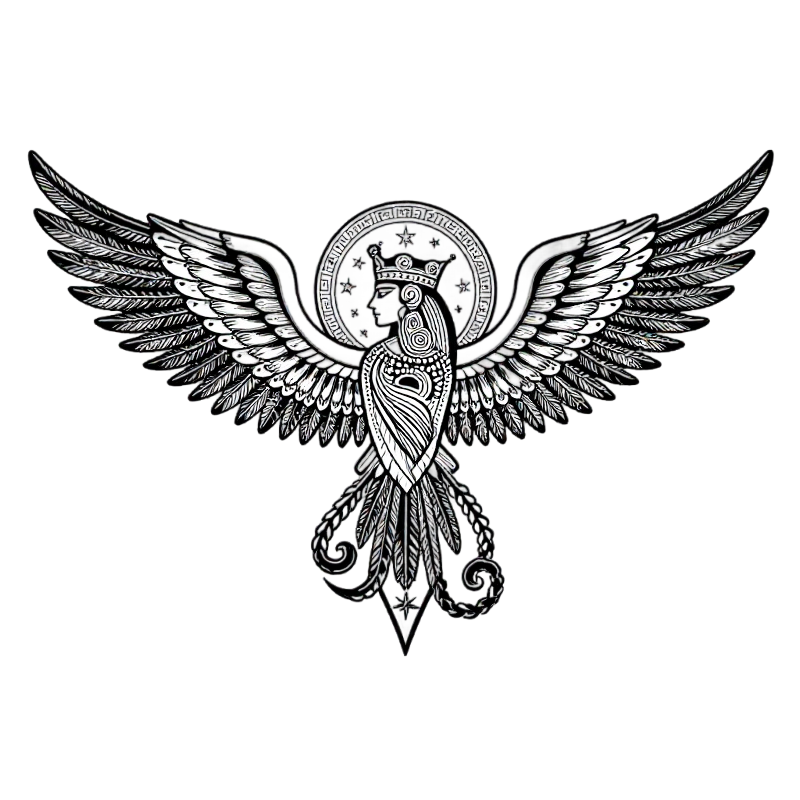
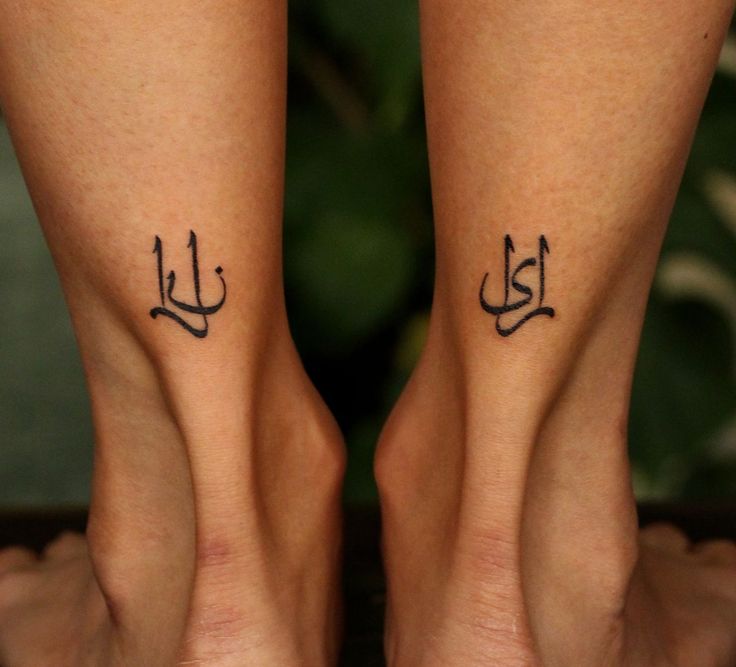
100 Amazing Persian Tattoo Design with Meaning, Ideas and Celebrities - Body Art Guru
Selection from Pinterest
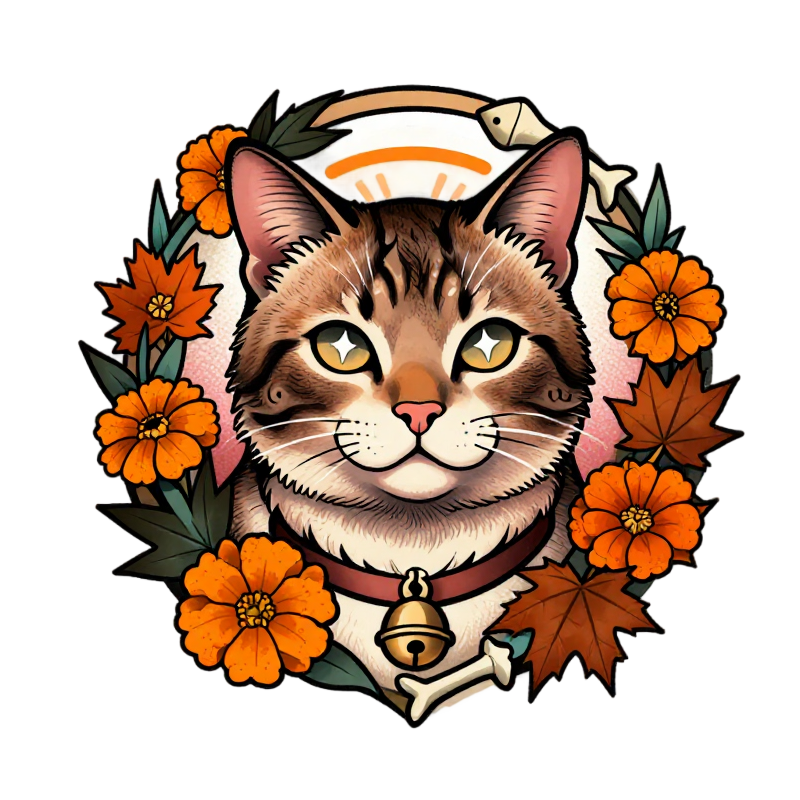
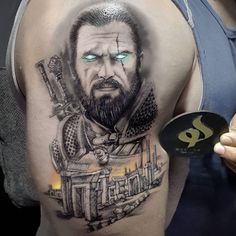
18 Persian tattoo ideas | persian tattoo, persian, iran pictures
Selection from Pinterest
One App to Store All Your Tattoo Ideas
Store your tattoo ideas in one place and Virtual Try-On them on your body!



Avoid Regrets with 3D Virtual Try-On!
Do a 3D Virtual Try-On to see how your tattoo design looks like on your body before you get it tattooed. Powered by Tatship's AI and 3D technology.



Historical Origins and Evolution of Persian Tattoos
The history of Persian tattoos is intertwined with the broader history of Persian art and culture. While tattooing is not traditionally a widespread practice in Persian history, the motifs and symbols used in Persian tattoos today draw heavily from ancient Persian art, which dates back thousands of years. The Persian Empire, known for its rich cultural contributions, has left a lasting legacy in art, literature, and architecture, all of which influence modern Persian tattoo designs. The use of calligraphy and intricate patterns in tattoos reflects the historical significance of these elements in Persian culture.